

What You Need to Know About Sewer Line Problems
Sewer line problems are one of the most disruptive — and costly — issues a homeowner can face. When your main sewer line fails, every drain in your home is affected at once.
Here is a quick overview of the most common sewer line problems and their warning signs:
| Problem | Key Warning Sign |
|---|---|
| Main line clog | Multiple drains backing up at the same time |
| Tree root intrusion | Recurring backups, gurgling toilets |
| Cracked or broken pipe | Sewage odors, wet spots in yard |
| Bellied or sagging pipe | Slow drains that keep coming back |
| Corroded or deteriorated pipe | Discolored water, frequent leaks |
| Leaking joints | Unusually green grass over sewer path |
Most sewer line failures do not happen overnight. They build slowly — a gurgling drain here, a soggy patch of yard there — until the problem becomes an emergency. The good news is that catching the signs early can mean the difference between a simple cleaning and a full excavation.
I’m Dayton Whitworth, a second-generation plumber serving Greater Brazoria County, Galveston County, Houston, and the surrounding Gulf Coast, with hands-on experience diagnosing and resolving sewer line problems of every kind. Read on for a complete guide to spotting, diagnosing, and fixing sewer issues before they turn into a total washout.
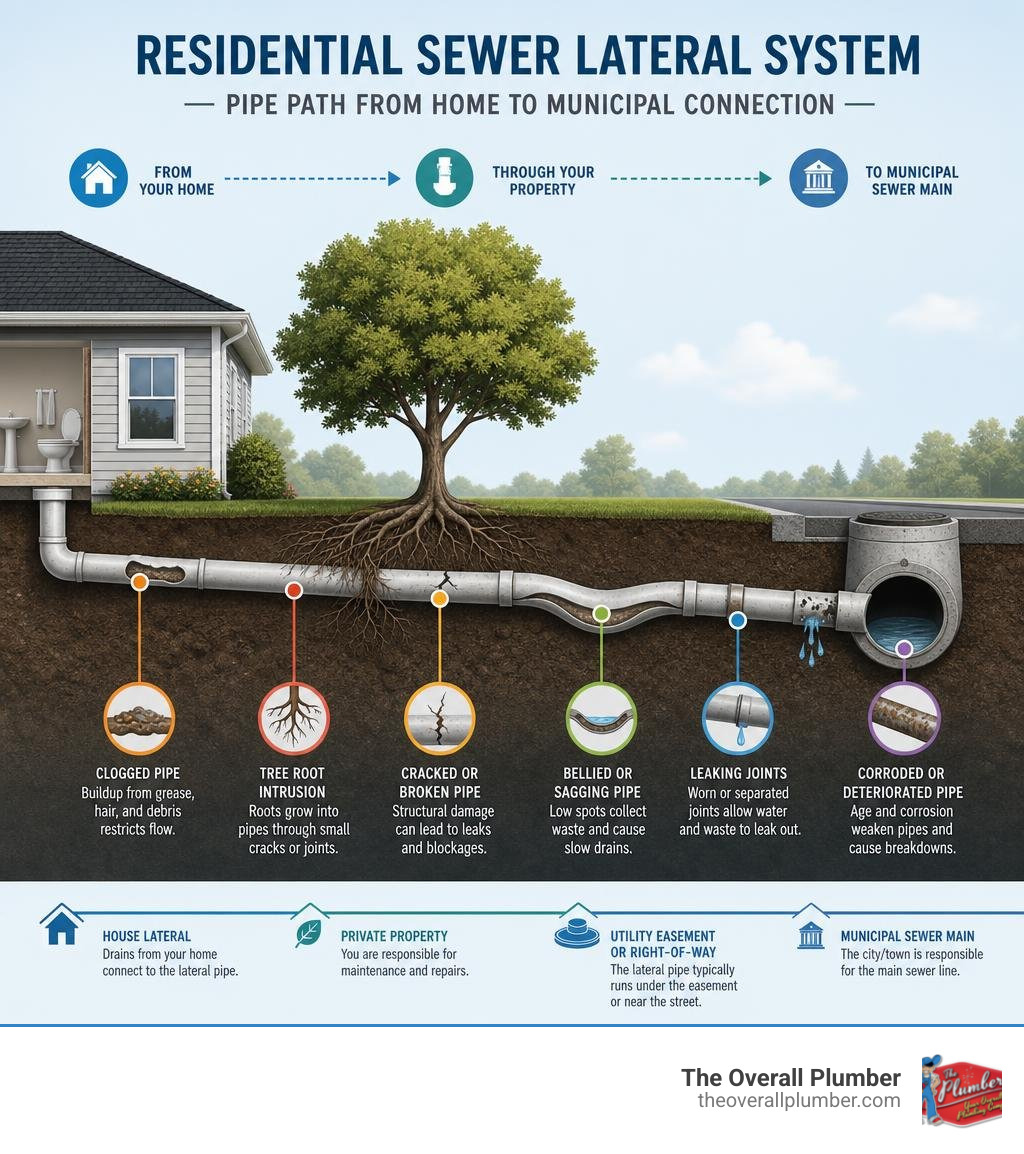
Sewer line problems terms to know:
Common Causes of Sewer Line Problems
Underground sewer pipes lead a hard life. Hidden beneath yards, driveways, and concrete slabs, they are subjected to shifting soils, heavy traffic, corrosive wastewater, and aggressive landscaping. Knowing what causes sewer line problems is the first step toward preventing them.
Here are the primary culprits we encounter across the Gulf Coast:
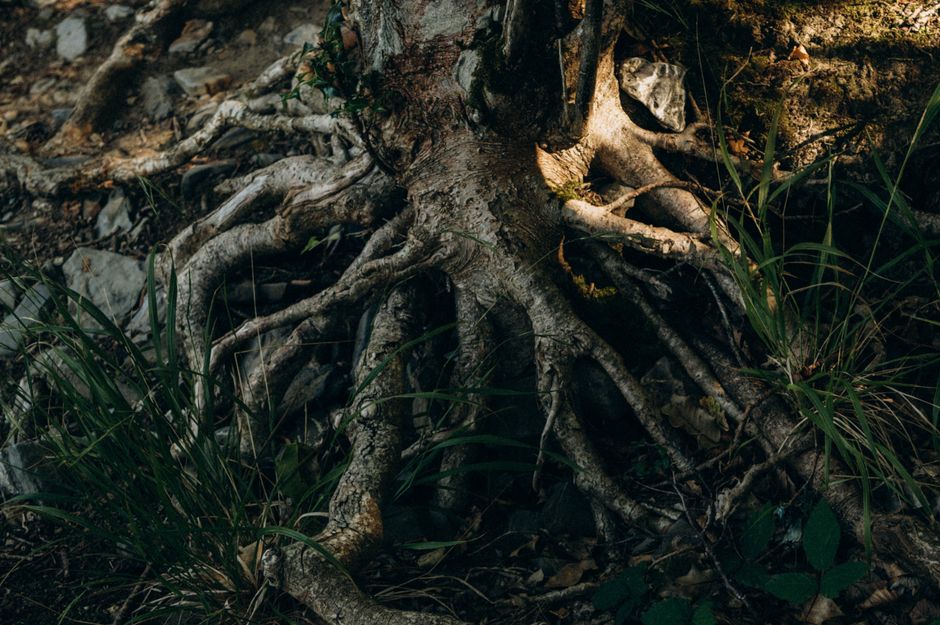
- Tree Root Intrusion: This is the single most common cause of sewer line damage in established neighborhoods from Pasadena to Galveston. Tree roots are highly efficient water-seeking systems. They can detect the warmth and moisture of a sewer line from over 50 feet away. If there is a tiny crack or a loose joint in your pipe, roots will wiggle their way inside. Once in, they thrive on the nutrient-rich wastewater, growing into thick, hairy masses that trap grease and toilet paper. Within 12 to 24 months of a basic mechanical clearing, root regrowth often fully restores the obstruction if the pipe isn’t structurally repaired.
- Pipe Corrosion and Deterioration: The material your sewer lateral is made of plays a major role in its lifespan.
- Vitrified Clay Pipes: Widely used in older homes built before the mid-1960s. They typically last 50 to 60 years before the mortar joints separate, allowing roots to enter and pipes to crack.
- Cast Iron Pipes: Standard in pre-1980 homes. They provide about 50 to 75 years of service, but they suffer from internal rust, scale buildup, and bottom-channel corrosion that eventually causes the pipe to collapse.
- Orangeburg Pipe: Made of coal tar-impregnated wood fiber, this “paper pipe” was used from the 1940s to the 1970s. It typically deteriorates within 30 to 50 years, flattening under soil pressure like soggy cardboard.
- Bellied Pipes: Underground pipes rely entirely on gravity to carry waste away. The International Plumbing Code requires a minimum slope (usually 1/4 inch per foot) to maintain a self-scouring velocity. If the soil shifts, settles, or erodes, a section of the pipe can sink, creating a “belly” or sag. Waste and water pool in this low spot, leading to chronic, recurring clogs.
- Leaking and Offset Joints: Over time, the seals connecting individual pipe sections can degrade or shift due to ground movement. This allows wastewater to leak into the surrounding soil, which can wash away the supporting dirt and cause the pipe to collapse entirely.
If you are dealing with a home built before 1985, understanding your pipe material and its location is critical. You can learn more about finding your lines in our guide on Sewer Lines 101: How to Locate Them.
How to Spot and Diagnose Sewer Failures
Ignoring sewer line problems is a recipe for disaster. Raw sewage carries hazardous pathogens, including E. coli, Salmonella, norovirus, and parasites. When a sewer line leaks or backs up, it creates serious biological hazards, can ruin your flooring, and even erode the soil supporting your home’s foundation.
Early Warning Signs of Sewer Line Problems
How do you distinguish between a simple, localized clog and a main sewer line emergency? The secret lies in looking at the big picture. A localized clog only affects one fixture. For example, if your kitchen sink drains slowly but your bathrooms work perfectly, the blockage is in that specific branch line.
A main sewer line problem, however, affects multiple fixtures across your home, especially those on the lowest level.
Watch out for these red flags:
- Cross-Fixture Backups: This is the ultimate proof of a main line blockage. If you flush a ground-floor toilet and water gurgles or backs up into your bathtub or shower drain, you have a main line issue. Similarly, running your washing machine might cause a nearby toilet to overflow.
- Gurgling Sounds: When a main sewer line is partially blocked, air bubbles get trapped in the system. As wastewater struggles to pass, you will hear a distinct gurgling or bubbling sound from your toilets or drains when running water elsewhere in the house.
- Unusual Odors: A clear, persistent smell of rotten eggs or sewer gas inside your home or near your outdoor cleanout indicates that wastewater isn’t moving away properly or that a pipe has cracked.
- Wet, Lush Spots in the Yard: If a patch of your lawn in Pearland or Friendswood is suddenly soggy, sunken, or inexplicably greener and growing faster than the rest of the yard, you likely have an underground sewage leak. The effluent acts as a potent fertilizer.
- Foundation Cracks and Settlement: In extreme cases, a cracked sewer line beneath a concrete slab will saturate the soil. This can cause the slab to sink, leading to cracks in your walls, sticking doors, or visible foundation shifts.
If you have tried clearing your drains only to experience issues again shortly after, you may be facing the scenario detailed in our article, Sewer Line Backing Up Days After Snaking? Here is the Dirty Truth.
Professional Diagnostics and Camera Inspections
In the old days, plumbers had to dig up your yard just to find out what was wrong. Today, we use state-of-the-art diagnostic technology to take the guesswork out of the equation.
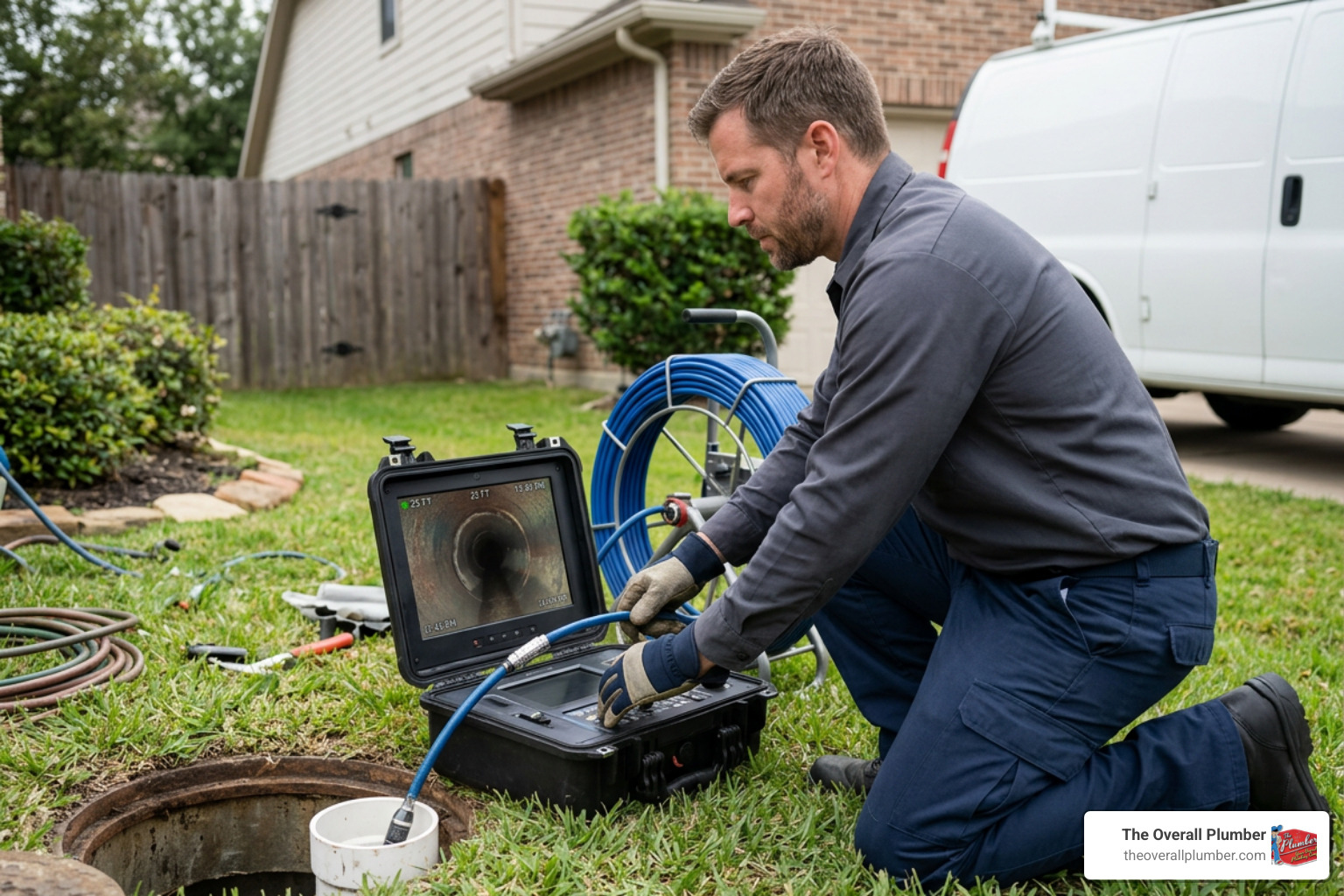
The industry standard for diagnosing sewer issues is a closed-circuit television (CCTV) sewer camera inspection. We insert a high-resolution, waterproof camera attached to a flexible fiber-optic cable directly into your sewer cleanout. As the camera travels through the lateral line, it sends a real-time video feed to a monitor.
This allows us to see exactly what is going on:
- The precise location of root intrusions
- Cracks, offsets, or fully collapsed sections
- The presence of bellies or sags
- The exact pipe material and its structural integrity
Additionally, the camera head contains a transmitter. We use an above-ground locator to trace the signal, allowing us to map the exact path, depth, and location of the problem area. This means we only repair the specific section that needs help, saving you thousands of dollars in unnecessary excavation.
If you want to know what to expect during this process, read The Homeowner’s Guide to Sewer Camera Inspections.
Repair and Replacement Options for Homeowners
When your sewer line is damaged, you have two main paths to choose from: traditional excavation or modern trenchless technology. The right choice depends on the depth of the pipe, its structural condition, and what sits above it (like a pristine yard, a concrete driveway, or a beautiful patio).
- Traditional Excavation (Dig and Replace): This method involves using a backhoe to dig a trench along the entire path of your sewer line, removing the old pipe, and laying down new PVC. While sometimes necessary if a pipe is completely collapsed or severely bellied, it is highly disruptive to your landscaping, driveways, and sidewalks.
- Trenchless Sewer Repair: This is the modern, non-invasive standard. There are two primary types of trenchless repair:
- Pipe Lining (Cured-In-Place Pipe or CIPP): If your existing pipe is cracked or has root damage but is still structurally whole, we can insert an epoxy-saturated fiberglass sleeve into the pipe. Once in place, we inflate it and let it cure. This creates a seamless, jointless “pipe within a pipe” that resists roots and adds 50+ years of service life.
- Pipe Bursting: If the old pipe is too damaged for lining, we can pull a heavy steel bursting head through the old line. This head breaks the old pipe apart while simultaneously pulling a brand-new, high-density polyethylene (HDPE) pipe in behind it.
Trenchless methods are often highly cost-effective because they eliminate the need for expensive yard and driveway reconstruction. Learn more about why this approach is a lifesaver for your landscaping in our guide, Why Trenchless Sewer Line Replacement is the Best Way to Save Your Yard.
When to Call a Professional vs. DIY
While we love a good DIY project, the main sewer line is not the place for amateur fixes.
- The Danger of Chemical Cleaners: Consumer-grade chemical drain openers are highly corrosive. They rarely reach a main line clog 50 feet away in high enough concentrations to clear it, but they will sit in your pipes, eating away at cast iron or clay and heating up plastic pipes until they warp.
- The Limit of Hand Snakes: Small hand-cranked snakes from the local hardware store are too short and weak to clear main line blockages or cut through stubborn tree roots.
- When to Call Us: If you have multiple slow drains, gurgling fixtures, or sewage backing up, you need professional help immediately.
For severe main line clogs, we utilize professional auger services to safely clear the line without damaging your pipes. You can read more about why this is critical in Main Drain Clogs: Why You Need a Priority Auger Service.
Sewer Line Repair Costs and Factors
Sewer repairs are an investment in your home’s safety and value. The national average for a main sewer line repair runs around $380, with most minor clogs resolved between $99 and $1,600. However, if the pipe is physically broken or collapsed, a full sewer line replacement can run between $225 and $10,000, with a national average bill of $3,319.
Here is a breakdown of typical costs for various sewer line services in 2026:
| Service | Estimated Cost Range | Description |
|---|---|---|
| Sewer Camera Inspection | $150 – $300 | Diagnostic video of the pipe interior |
| Main Line Snaking | $100 – $250 | Mechanical clearing of soft blockages |
| Hydro Jetting | $350 – $900 | High-pressure water blasting of grease and roots |
| Trenchless Pipe Lining | $2,500 – $7,000 | Jointless epoxy lining (per lateral) |
| Traditional Excavation | $3,000 – $15,000 | Full dig-and-replace, depending on depth and length |
Several factors influence these costs, including the depth of the pipe, whether it runs under concrete, the permits required by your local municipality, and the method of repair. To understand how we price high-pressure cleaning services, check out How Much Does Drain Hydro Jetting Actually Cost?.
Ownership, Responsibility, and Prevention
A common question among homeowners in League City, Texas City, and La Porte is: Who is responsible for fixing this broken pipe?
As a general rule, the property owner is responsible for the “upper lateral” — the portion of the sewer line that runs from the home to the property line or curb. This includes sections under your yard, sidewalk, and parkway. The municipality or local utility district (such as the Brazoria County Municipal Utility District No. 21) is typically responsible for the “lower lateral” and the main sewer collector line running under the street.
However, this boundary varies depending on local ordinances. In some coastal Texas cities, the homeowner’s responsibility ends strictly at the property line, while in others, it extends all the way to the connection at the main street sewer.
How to Prevent Future Sewer Line Problems
The best way to handle sewer line problems is to make sure they never start. By practicing good sewer stewardship, you can protect your pipes and avoid expensive repairs.
- Keep Grease Out of Drains: Pouring cooking oil, bacon grease, or fats down the sink is a major cause of blockages. Grease cools, solidifies, and clings to the pipe walls, catching other debris. “Can it and scrape it” — put grease in an old can and throw it in the trash.
- Watch What You Flush: The toilet is not a trash can. Only flush human waste and toilet paper. Even wipes labeled “flushable” do not break down like toilet paper; they bind with grease and roots to form massive, pipe-blocking clogs. This is a major focus of municipal campaigns like the City of Houston’s Protect Our Pipes initiative.
- Mind Your Landscaping: Do not plant trees or large shrubs with aggressive root systems within 30 feet of your sewer line. If you already have trees nearby, consider installing physical root barriers or scheduling routine maintenance.
- Schedule Regular Maintenance: If you live in an older home with clay or cast iron pipes, scheduling a preventative hydro jetting service every few years can keep roots and grease from taking over. You can find out more about these services in our guide to Finding the Best Hydro Jetting Services Near You.
Frequently Asked Questions about Sewer Lines
How do I know if my sewer line is broken or just clogged?
A simple clog usually affects only one fixture and can be cleared with a plunger or a basic drain snake. A broken or collapsed sewer line will cause chronic, recurring backups across multiple fixtures (like your shower filling with wastewater when you flush the toilet), persistent sewer odors, and wet spots in your yard. A professional camera inspection is the only way to know for sure.
Who is responsible for repairing the sewer line in the street?
In most cases, the local municipality or utility district is responsible for repairing the main sewer line under the street. However, the homeowner is typically responsible for the lateral line that runs from the house to the property line or curb. Check with your local city public works department to confirm the exact boundaries in your area.
How long does a trenchless sewer line repair last?
Properly installed trenchless liners (CIPP) and pipe bursting materials are incredibly durable. They are designed to resist root penetration, rust, and chemical corrosion, adding 50+ years of reliable service life to your home’s plumbing system.
Protect Your Home from Sewer Line Disasters Today
If you are experiencing slow drains, gurgling toilets, or suspect you have sewer line problems, don’t wait for a total washout. At The Overall Plumber, we serve homeowners across Brazoria County, Houston, Clear Lake, Santa Fe, League City, Texas City, La Porte, Friendswood, Pearland, Pasadena, and Galveston.
We provide professional drain cleaning with augers, advanced camera inspections, and reliable sewer repair services. We are dedicated to keeping your home safe and dry with:
- No trip charges and no overtime fees
- Priority scheduling for urgent plumbing needs
- 100% satisfaction guarantees on our workmanship
- Plumbing protection plans to keep your system running smoothly year-round
To learn more about our services in your area, visit our page on Sewer Lines in Houston.
Don’t let a small leak turn into a major emergency. Call us today at (281) 668-5056 to schedule your professional sewer camera inspection!