

What You Need to Know About Sewer Lines (Quick Answer)
Sewer lines are the underground pipes that carry wastewater away from your home to the municipal treatment system. Here’s a fast overview of what most homeowners want to know:
- Types: Sanitary sewers carry household waste to treatment plants. Stormwater drains move rainwater directly to waterways. Combined systems handle both.
- Materials: Modern pipes are usually PVC. Older homes often have clay or cast iron.
- Depth: Most residential sewer lines are buried 4 to 6 feet underground.
- Diameter: Typically 4 inches for home drain lines, 6 inches at the connection to the main.
- Responsibility: You own and maintain the lateral from your home to the public main. The city owns everything after that.
- Common problems: Root intrusion, blockages, cracked pipes, and slow drains.
- How to find yours: Look for a cleanout cap in your yard, or check your property records.
Most homeowners never think about their sewer system — until something goes wrong. A backed-up toilet, a soggy patch in the yard, or a foul smell creeping into the house can all point to a problem underground. And by the time those signs appear, the issue has usually been building for a while.
Understanding how your sewer system works — and where your pipes actually run — puts you in a much better position to catch problems early and avoid expensive repairs.
I’m Dayton Whitworth, a second-generation plumber serving Greater Brazoria County, Galveston County, Houston, and the surrounding Gulf Coast, with hands-on experience diagnosing and repairing sewer lines of all types and ages. In the sections below, I’ll walk you through everything you need to know — from pipe materials and depth to warning signs and who’s responsible for what.
Understanding the Different Types of Sewer Systems
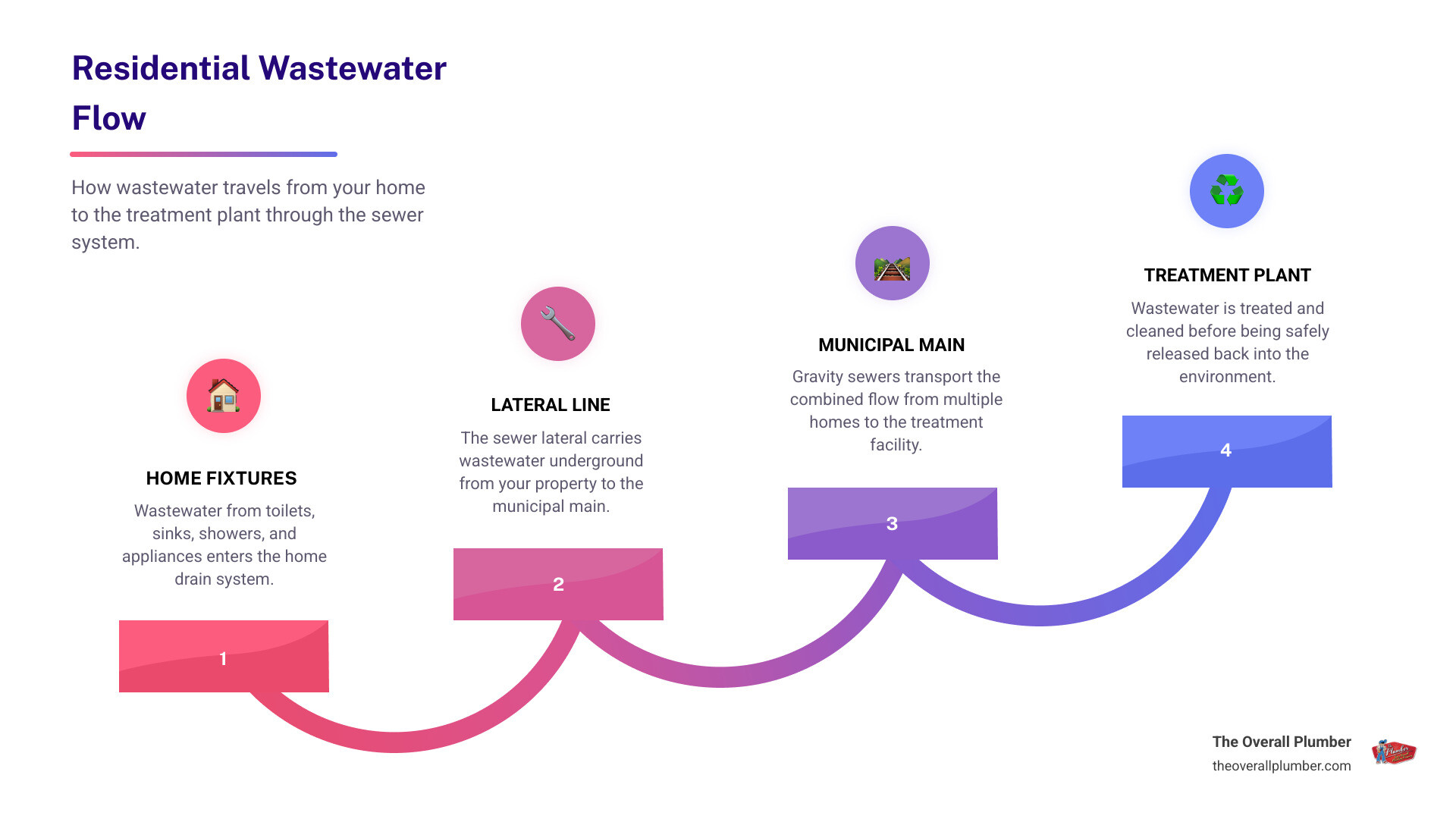
When we flush our toilets or watch rainwater run down the street, that water has to go somewhere. Municipalities design wastewater conveyance networks to handle different types of runoff. If these systems are not carefully managed, gravity sewers can easily become overwhelmed, leading to structural damage or environmental hazards.
Sanitary Sewers vs. Stormwater Drains
Sanitary sewers and stormwater drains serve completely different purposes. A sanitary sewer is a dedicated network of underground pipes designed solely to transport household wastewater — from sinks, toilets, showers, and washing machines — straight to a treatment facility. Because this water contains pathogens and chemicals, it must be thoroughly treated before being released back into the environment.
Stormwater drains, on the other hand, exist to collect urban runoff from rainstorms and prevent street flooding. Unlike sanitary systems, stormwater drains usually empty directly into local rivers, lakes, or the Gulf Coast without undergoing treatment.
Because of this direct pathway, keeping contaminants out of storm drains is critical for protecting marine life and local water supplies. While municipal standards like the Sanitary Sewer Service Line Standards outline strict guidelines for public safety, the core concept remains the same: keeping different water streams separated prevents ecological harm.
The Environmental Impact of Combined Sewer Overflows
In some older municipal setups, sanitary waste and stormwater are routed through the same system, known as combined sewers. While this design was common decades ago, it presents a massive environmental risk during heavy Texas rainstorms.
When a major storm hits, the sudden volume of urban runoff can overload the system. To prevent wastewater from backing up into homes, these systems are designed to release the excess directly into nearby waterways. These events, known as Combined Sewer Overflows (CSOs), release untreated sewage and chemicals into the environment, causing severe water pollution.
Fortunately, modern infrastructure across Houston and Galveston County relies on separate systems to keep our communities clean and safe.
Sewer Line Materials, Depth, and Specifications

Every underground plumbing system relies on heavy-duty materials designed to withstand decades of soil pressure, shifting ground, and chemical exposure. If you live in an older home in places like Pasadena or Galveston, the pipes buried beneath your yard look very different from those used in new construction today.
Common Materials for Residential Sewer Lines (PVC, Clay, Cast Iron)
Over the last century, the plumbing industry has cycled through several different pipe materials. Here is a breakdown of what you might find under your property:
- Polyvinyl Chloride (PVC): The modern gold standard. PVC is lightweight, highly resistant to chemical corrosion, and incredibly smooth, which helps prevent blockages. Its tight joints make it highly resistant to tree root intrusion.
- Clay Pipes: Commonly found in homes built before the 1970s. While clay is highly resistant to chemical degradation, it is brittle. Over time, ground shifting causes clay pipes to crack, and their joint connections easily loosen, inviting hungry tree roots inside.
- Cast Iron: Highly durable and strong, cast iron was historically used for its ability to withstand high pressure. However, it is prone to internal rusting and scaling over several decades, which can create rough patches that catch debris and cause stubborn blockages.
| Pipe Material | Average Lifespan | Pros | Cons |
|---|---|---|---|
| PVC | 100+ Years | Root-resistant, smooth interior, rustproof | Can crack under extreme physical impact |
| Clay | 50–60 Years | Chemically inert, eco-friendly | Brittle, prone to root intrusion at joints |
| Cast Iron | 75–100 Years | Extremely strong, handles high pressure | Prone to internal rust, scale buildup, and eventual collapse |
Standard Depth and Slope Requirements
How deep are sewer lines buried? In our warm Texas climate, we do not have to worry about deep frost lines like northern states do. However, residential lines are still typically buried 4 to 6 feet deep to protect them from surface weight, heavy vehicle traffic, and shifting clay soils.
Sewer systems rely almost entirely on gravity to keep wastewater moving. To maintain a steady flow without letting solids settle and cause clogs, the pipes must be installed at a precise slope. According to the standard Sewer Line Installation Guide, the ideal slope for a standard 4-inch residential pipe is a 1/4-inch drop per linear foot. If the slope is too steep, the water will rush ahead and leave the waste behind; if it is too flat, nothing moves at all.
How to Locate and Inspect Your Sewer Lines
Knowing exactly where your underground pipes run is essential before starting any landscaping, home additions, or major excavation projects. If you need assistance, reviewing resources like our guide on Sewer Lines in Houston can provide helpful regional context.
DIY Methods for Finding Sewer Lines on Your Property
If you want to track down your main line yourself, there are a few reliable starting points:
- Locate the Main Drain Stack: Go inside your home (often in a utility room, garage, or crawlspace) and find the thick vertical pipe that collects waste from your drains. The line will exit your home’s foundation directly aligned with this stack.
- Find the Yard Cleanout: Look in your yard for a white or black plastic cap (or occasionally a brass cap in older homes) sticking slightly out of the grass or garden beds. This cleanout cap sits directly on top of your sewer lateral.
- Check Property and Utility Maps: Your local building department keeps records of utility layouts. You can request a plot map or utility diagram showing where the connection point meets the municipal main. For step-by-step guidance, check out our Finding Your Sewer Line Guide.
Professional Video Camera Inspections for Sewer Lines
While DIY tracing can give you a general idea of where your pipes run, it will not tell you what condition they are in. The most reliable way to assess your system is through a professional CCTV camera inspection.
During this process, we feed a high-resolution, waterproof camera attached to a flexible cable down through your cleanout. As the camera travels down the line, it transmits real-time footage to a monitor, allowing us to spot cracks, root blockages, sagging sections, or collapsed pipe walls without digging up a single inch of your lawn. To understand what to expect during this service, you can read our detailed Sewer Camera Inspections Guide.
Common Sewer Line Problems and Warning Signs
Underground pipes are subjected to a constant barrage of shifting soil, invasive landscaping, and whatever gets flushed down the drain. Recognizing the early warning signs of trouble can help you address issues before they turn into a messy emergency.
Root Intrusion and Blockages
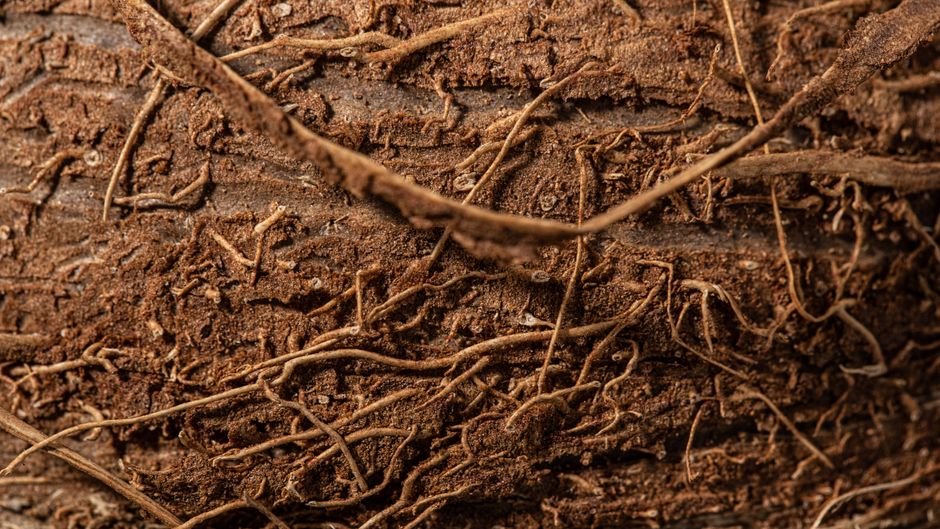
Tree roots are incredibly smart. They can sense the warmth and moisture radiating from underground pipes. If your sewer pipe has even a hairline crack or a loose joint, nearby tree roots will wiggle their way inside. Once they get a taste of the nutrient-rich water flowing through, they quickly grow into thick, woody masses that catch toilet paper and waste, leading to major backups.
In addition to roots, grease buildup is a massive threat. When cooking oils, fats, and grease are poured down kitchen sinks, they cool and solidify inside your pipes. Over time, this grease acts like glue, trapping other debris and narrowing the pipe’s pathway. If you are experiencing persistent backups, you can learn how we diagnose these issues in our article on how to Stop the Guesswork with a Camera Line Inspection in Texas City.
Warning Signs of a Damaged Sewer Pipe
Keep an eye (and a nose) out for these common red flags:
- Foul Odors: A properly functioning system keeps sewer gases contained. If you smell sewage in your yard or bathroom, you likely have a cracked pipe or a broken vent.
- Soggy or Extra-Green Grass: If one patch of your lawn is suspiciously lush, green, and spongy compared to the rest, it could be absorbing nutrient-dense wastewater leaking from a broken line.
- Gurgling Toilets: If your toilet gurgles when you run the bathroom sink or washing machine, air is trapped in the line due to a partial clog.
- Multiple Slow Drains: A single clogged sink is usually a localized drain issue. If every drain in your house is moving slowly, the blockage is deep within the main sewer line.
Maintenance, Repairs, and Ownership Responsibilities
When a sewer issue arises, many homeowners assume the city will handle the repairs. However, property boundaries dictate who is responsible for the bill. To see the diagnostic process in action, you can read about our Video Camera Sewer Line Inspection services.
Who is Responsible for Sewer Laterals vs. Main Lines?
As a property owner, you are responsible for the maintenance and repair of the sewer lateral — the pipe that connects your home’s plumbing to the municipal main sewer line under the street. This responsibility typically extends all the way to the connection point at the city main, even if a portion of your lateral runs underneath a public sidewalk or easement.
The city is only responsible for the main sewer line itself, which collects waste from the entire neighborhood and carries it to the treatment plant.
Installation, Permits, and Insurance Coverage
Replacing or installing a sewer line requires proper permits from your local municipality (whether you are in Pearland, Friendswood, or League City) to ensure all work meets strict local plumbing codes.
When it comes to repair methods, you do not always have to dig up your entire yard. Modern trenchless technologies allow us to repair or replace pipes with minimal disruption. You can learn more about how this works by reading about Trenchless Sewer Line Replacement.
Additionally, standard homeowners insurance policies rarely cover wear-and-tear issues like root intrusion or aging pipe collapses. To protect yourself from sudden out-of-pocket expenses, ask your insurance provider about adding a “service line utility rider” to your policy, or explore dedicated home warranty options.
Frequently Asked Questions about Sewer Lines
How deep are residential sewer lines buried?
In Texas, residential sewer lines are typically buried between 4 and 6 feet deep. While we do not need to bury them below a deep freeze line like in northern climates, this depth keeps the pipes safe from soil shifts, heavy yard equipment, and surface traffic.
Does homeowners insurance cover sewer line repairs?
Generally, standard homeowners insurance policies only cover sewer damage if it is sudden and accidental (like a pipe bursting due to a sudden event). They typically do not cover damage caused by gradual wear and tear, tree root intrusion, or lack of maintenance. Adding a service line endorsement to your policy is highly recommended.
Can tree roots destroy PVC sewer pipes?
While PVC pipes are much more root-resistant than older clay or cast iron pipes because they have fewer, tighter joints, they are not completely impervious. If a PVC pipe is cracked by shifting ground or if a joint is improperly sealed during installation, roots can still find their way inside and cause significant damage.
Protect Your Home’s Sewer System Today
If you suspect a problem with your underground pipes or need help locating your main line, do not wait for a costly backup to occur. Contact our experienced team today at (281) 668-8055 to schedule a professional camera inspection and keep your home’s plumbing running smoothly.