

When Your Hot Water Disappears: What to Know About Electric Geyser Repair
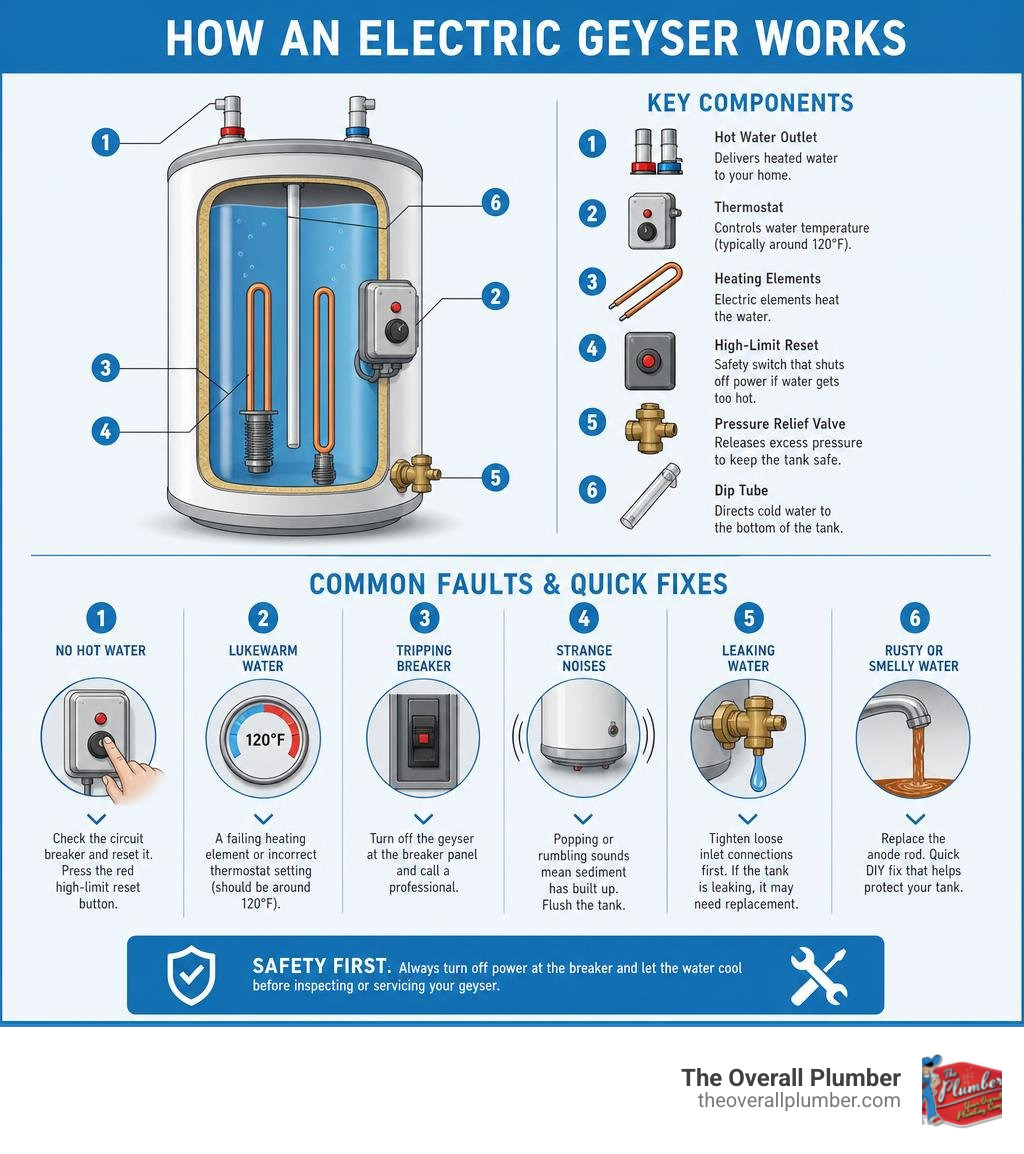
Electric geyser repair doesn’t always mean calling a professional right away. Here are the most common fixes homeowners can try first:
- No hot water – Check if the circuit breaker has tripped and reset it. Press the red high-limit reset button on the thermostat panel.
- Lukewarm water – A failing heating element or incorrect thermostat setting (should be around 120°F) is usually the cause.
- Tripping breaker – Turn off the geyser at the breaker panel immediately and call a professional — this signals a short circuit or grounded element.
- Strange noises – Popping or rumbling sounds mean sediment has built up. Flush the tank to clear it.
- Leaking water – Tighten loose inlet connections first. If the tank itself is leaking, replacement is likely needed.
- Rusty or smelly water – Replace the anode rod. This is a quick DIY fix that costs around $50.
Your electric geyser is one of those appliances you never think about — until the hot water runs out mid-shower. Most electric geyser problems come down to a handful of worn parts: heating elements, thermostats, and pressure relief valves. The good news is that many of these issues are diagnosable in minutes and fixable without a full replacement. This guide walks you through exactly what to check, what to fix yourself, and when to step back and call a pro.
I’m Dayton Whitworth, a second-generation plumber serving the Greater Houston and Gulf Coast area, and electric geyser repair is one of the most common calls we handle — from simple resets to full element replacements. Whether you’re dealing with a cold shower or a dripping pressure valve, the steps below will help you figure out what to do next.
Electric geyser repair word roundup:
Troubleshooting Common Issues Before Starting Electric Geyser Repair
Before you grab your toolbox and start dismantling your water heater, it is crucial to perform some basic troubleshooting. Many times, what seems like a catastrophic water heater failure is actually a simple electrical hiccup or an incorrect setting. In our line of work across Brazoria County, Harris County, and Galveston County, we frequently see homeowners get worked up over a cold shower when the solution takes less than five minutes.
Taking a systematic approach to troubleshooting prevents unnecessary parts replacement and keeps you safe. If you find yourself completely out of hot water in the middle of a chilly night, knowing how to run through these diagnostic checks can save you from having to call for emergency 24-hour water heater service when a simple flip of a switch would do.
No Hot Water or Tripped Circuit Breakers
When there is absolutely no hot water coming out of your taps, the first place to look is your home’s electrical service panel. Electric geysers consume a massive amount of power, typically running on a dedicated 240-volt circuit. If there is a sudden power surge or if a heating element begins to fail, the circuit breaker will trip to prevent your home’s wiring from overheating.
Go to your breaker panel and locate the double-pole breaker labeled for your water heater. If it has tripped, it will be sitting in the middle position between “On” and “Off.” Push it completely to the “Off” position first, and then flip it back to “On.” If the breaker trips again immediately, do not attempt to reset it a second time. This is a clear indicator of a direct short circuit or a grounded heating element, and continuing to force power to the unit can cause electrical fires.
If the breaker is on but you still have no hot water, the high-limit switch (also known as the ECO, or Energy Cut-Off) may have tripped. This safety switch is designed to cut power to the heating elements if the water temperature inside the tank exceeds a dangerous threshold (usually around 180°F). To reset it:
- Turn off the breaker to cut all power to the geyser.
- Remove the upper access panel on the side of the tank.
- Pull back the insulation to reveal the thermostat.
- Press the bright red reset button located directly on the thermostat. You should hear a distinct click if it was tripped.
- Replace the insulation and access panel, restore power, and check if the unit begins heating.
If the high-limit switch trips repeatedly, it is a sign that either the thermostat has failed or the heating elements are coated in sediment, causing localized overheating.
Inadequate Heating and Temperature Fluctuations
If you are getting lukewarm water or if your hot water runs out much faster than it used to, you are likely dealing with a calibration issue or a single failed heating element. Most standard residential electric geysers in places like Houston, Pearland, and Pasadena use two heating elements: an upper element and a lower element.
When you turn on a hot water tap, the upper element heats the top portion of the tank first to ensure you get hot water quickly. Once the top portion reaches the designated temperature, power switches to the lower element to heat the rest of the tank. If the lower element burns out, only the top third of your water tank will heat up. This results in a shower that starts out hot but turns lukewarm or icy cold within just a couple of minutes.
Before assuming an element is dead, check your thermostat settings. The recommended setting for optimal energy efficiency and safety is 120°F. If your thermostat is set too low, the water will never feel hot enough. Conversely, if you have hard water, limescale can coat the thermostat sensor, tricking it into thinking the water is hotter than it actually is. This causes the elements to shut off prematurely, leading to annoying temperature fluctuations.
Essential Safety Precautions and Tools for DIY Fixes
Working on an electric geyser combines two elements that do not mix well: water and high-voltage electricity. Because of this, safety must be your absolute number-one priority. Taking shortcuts can lead to severe electrical shocks, scalding burns, or catastrophic flooding of your home.
Before you begin any DIY electric geyser repair, clear the area around the water heater to give yourself plenty of room to work. Ensure the floor is completely dry. If there is standing water around the base of the tank from a leak, do not step in it while the power is still connected.
Shutting Off Power and Water Supplies
The very first step of any physical repair is isolating the unit. You must turn off both the electrical supply and the water supply.
- Disconnect the Power: Flip the dedicated double-pole circuit breaker to the “Off” position. To be absolutely sure the power is off, use a non-contact voltage tester. Remove the access panel covers on the side of the geyser, carefully pull back the insulation, and hold the tester near the electrical terminals on both the upper and lower thermostats. The tester should not beep or light up. If it does, power is still flowing to the unit, and you must locate the correct breaker before proceeding.
- Shut Off the Water: Locate the cold water inlet pipe leading into the top of the geyser. There should be a shutoff valve (either a gate valve or a ball valve). Turn the valve clockwise to shut off the incoming water. If the valve is old, corroded, and refuses to turn, you may need to shut off the main water valve to your entire home.
Required Tools for Electric Geyser Maintenance
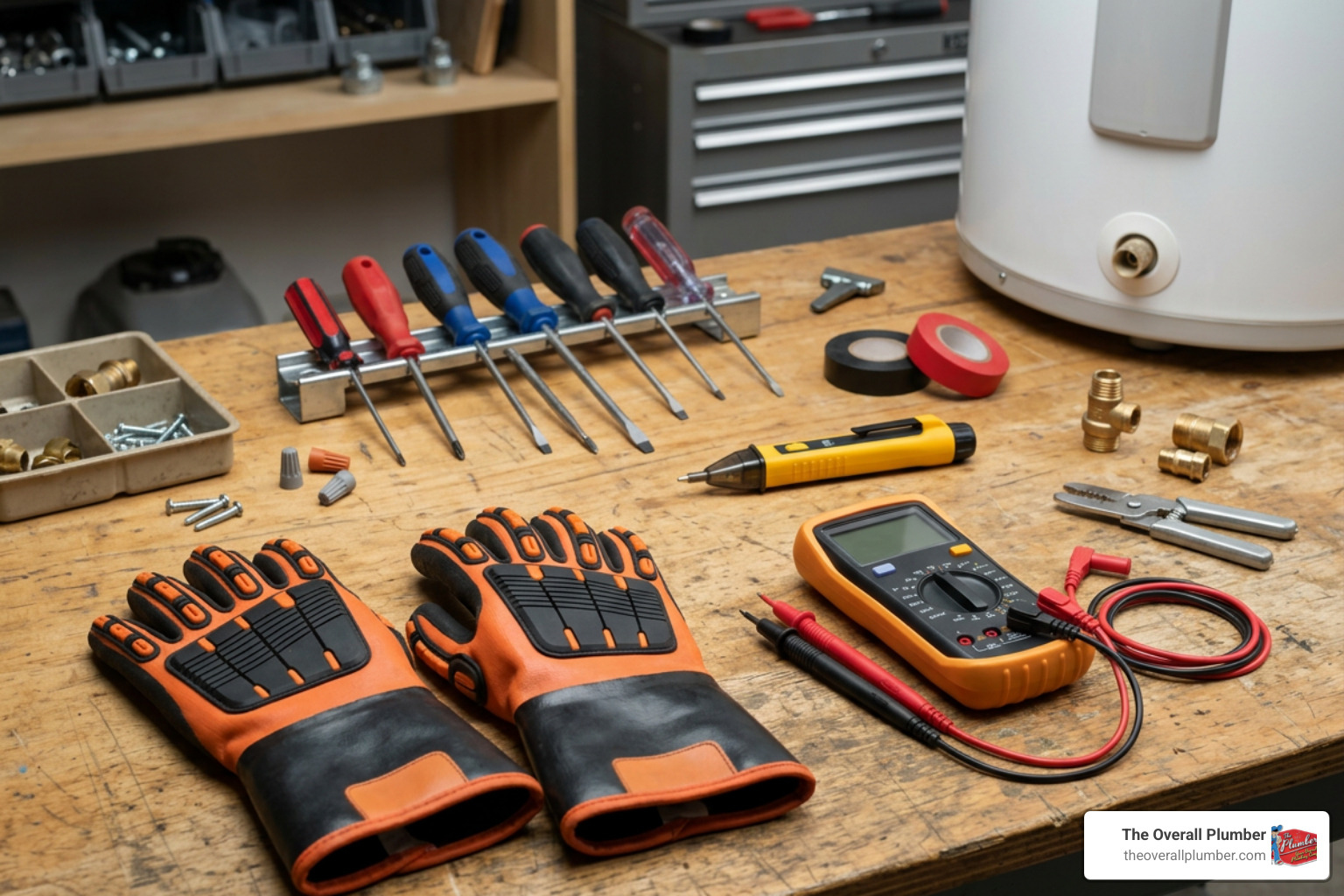
Having the right tools on hand makes the repair process smooth and prevents you from damaging the brass or copper fittings on your geyser. Before you start, gather the following essentials:
- Multimeter: Essential for testing the continuity of heating elements and checking voltage.
- Non-Contact Voltage Tester: Your primary safety tool to verify the power is completely off.
- 1-1/2 Inch Socket Wrench (Element Wrench): A specialized, inexpensive socket designed specifically to slip over hex-head heating elements.
- Screwdrivers: Both flathead and Phillips-head for removing access panels and wire terminals.
- Pipe Wrench and Channel Locks: For loosening and tightening plumbing connections.
- Garden Hose: For draining the tank safely to an outdoor location or drain.
- Teflon Tape (Plumber’s Tape): To seal threaded connections and prevent future leaks.
Step-by-Step Guide to DIY Electric Geyser Repair
Once you have verified the power is off, closed the water supply, and gathered your tools, you are ready to tackle the physical repairs. We will focus on the two most common component replacements: the heating elements and the thermostats.
Replacing the Heating Element During Electric Geyser Repair
Heating elements fail over time due to electrical wear or scale buildup. If your multimeter testing shows that an element lacks continuity, it must be replaced. For a detailed, highly technical breakdown of this specific task, check out The Complete Electric Heater Element Replacement Manual.
Here is the step-by-step process for replacing a heating element:
- Drain the Tank: Connect a garden hose to the drain valve at the bottom of the geyser. Run the other end of the hose to a floor drain, driveway, or garden. Open a hot water faucet upstairs to allow air into the system, then open the drain valve. You do not need to drain the entire tank if you are only replacing the upper element, but the water level must be below the element you are servicing.
- Disconnect the Wires: Loosen the terminal screws on the face of the bad element and gently pull the wires away.
- Unscrew the Element: Using your 1-1/2 inch element wrench, turn the element counterclockwise. Be prepared for a small amount of water to spill out as the threads release.
- Prepare the New Element: Ensure the new element has its rubber O-ring gasket properly seated. Clean any rust or debris out of the tank threads with a wire brush.
- Install the New Element: Thread the new element in by hand first to avoid cross-threading, then tighten it firmly with the element wrench.
- Refill the Tank Before Powering On: This is the most crucial step! Open the cold water supply valve and let the tank fill completely. Keep a hot water faucet open in your house until water flows out of it steadily without sputtering air. If you turn the power back on while the elements are dry, they will burn out in less than 30 seconds — a mistake known as “dry firing.”
- Reconnect and Test: Reattach the electrical wires to the terminals, replace the insulation and access covers, restore power at the breaker panel, and monitor the unit.
Replacing the Thermostat and Pressure Relief Valve
If your heating elements test fine but your water is still scalding hot or completely cold, the thermostat is likely the culprit. Additionally, if you notice water dripping from the side of your tank, your Temperature and Pressure Relief (TPR) valve may need to be replaced. Replacing a faulty TPR valve is relatively inexpensive, with the part costing around $15, and the job taking roughly 15 minutes for a DIYer with basic skills.
To replace a thermostat:
- Ensure the power is completely disconnected and verified with your voltage tester.
- Remove the access panel and pull back the insulation.
- Disconnect the wires from the thermostat terminals (take a photo first with your phone so you know exactly where they go).
- Slide the old thermostat out of its metal retaining clip. Do not unscrew any hex bolts on the tank itself; the thermostat simply rests flat against the tank wall to sense temperature.
- Slide the new thermostat into the clip, ensuring it fits snugly against the tank.
- Reconnect the wires, adjust the temperature dial to 120°F using a flathead screwdriver, replace the covers, and restore power.
To replace the TPR valve:
- Partial drain the tank so the water level is below the valve opening.
- Unscrew the discharge pipe attached to the valve.
- Use a pipe wrench to unscrew the old TPR valve from the tank.
- Wrap the threads of the new valve with Teflon tape, screw it into the tank, and tighten it securely so the discharge outlet faces downward.
- Reattach the discharge pipe and refill the tank.
Preventive Maintenance to Extend Your Geyser’s Lifespan
Just like your car needs regular oil changes, your electric geyser requires routine maintenance to keep running efficiently. Neglecting maintenance leads to premature element failure, high electric bills, and eventually, a ruptured tank.
Flushing the Tank to Remove Sediment
Over time, minerals like calcium and magnesium settle out of your water supply and form a thick layer of sediment at the bottom of your geyser tank. This is especially true in areas with hard water, such as Friendswood and Texas City. This sediment layer insulates the lower heating element, forcing it to run hotter and longer to heat the water, which leads to early burnout.
To prevent this, you should flush your water heater at least once a year. For a safe, comprehensive walkthrough, read our Easy to Follow Guide to Drain a Water Heater Safely. Regular flushing removes these mineral deposits, keeping your geyser running quietly and efficiently.
Replacing the Sacrificial Anode Rod
The sacrificial anode rod is your geyser’s unsung hero. It is a long metal rod made of magnesium or aluminum that hangs down inside the tank. Its sole purpose is to corrode so your steel tank doesn’t have to. Because of electrochemical reactions, rust-causing elements in the water will attack the anode rod first.
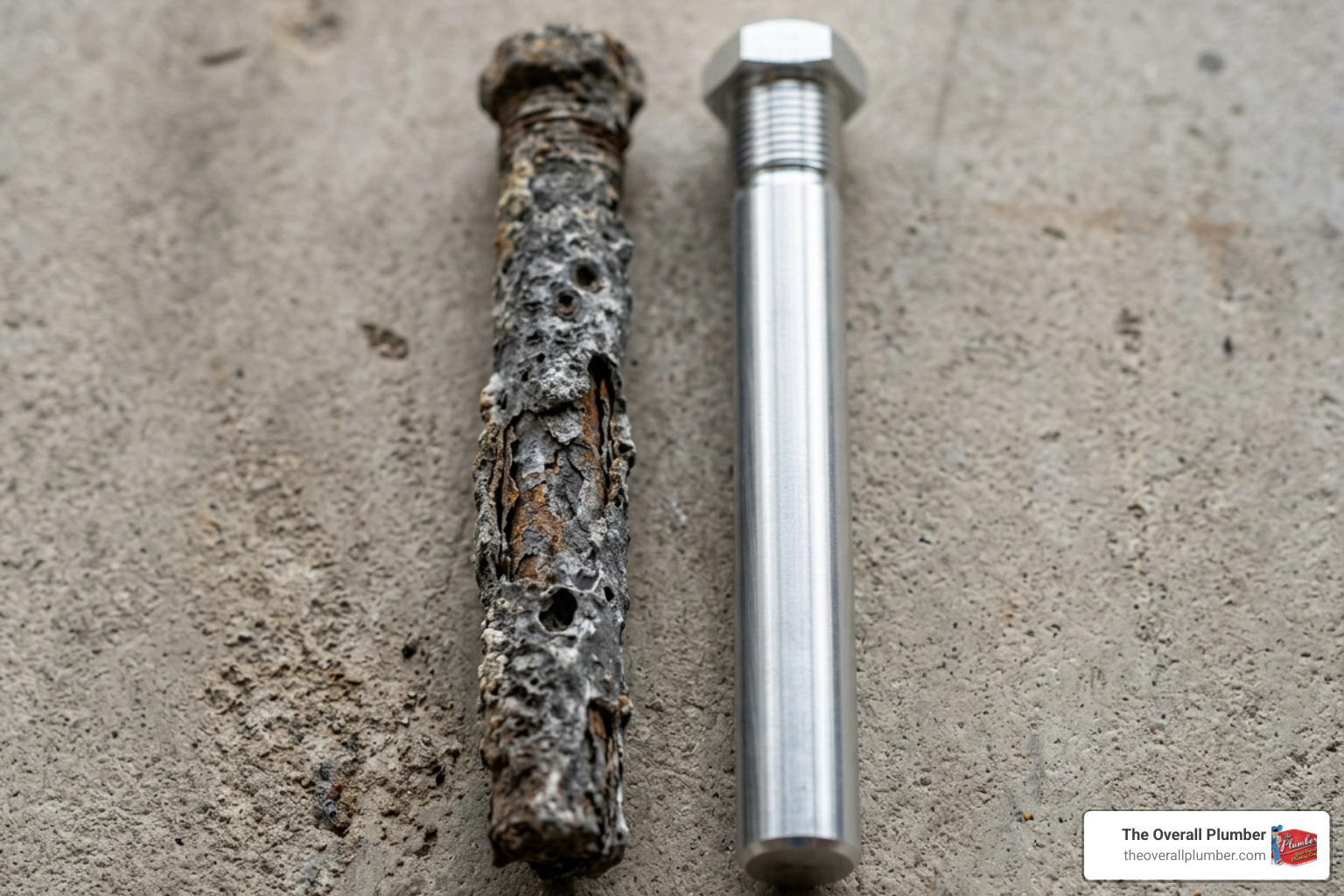
Once the anode rod is completely eaten away, the water will begin corroding the steel walls of the tank itself, leading to rust-colored water, pinhole leaks, and eventually a flooded home.
- Cost: A replacement anode rod typically costs around $50.
- Time: It can be replaced in about 15 minutes by a novice.
- Frequency: Inspect the rod every 2 to 3 years, and replace it when more than 6 inches of the core wire is exposed.
Keeping up with this simple task can easily double the lifespan of your water heater, saving you thousands of dollars in premature replacement costs.
Deciding Between Repairing and Replacing Your Water Heater
At some point, every homeowner faces the tough decision: do I keep patching up my old geyser, or is it time to invest in a new one? Traditional tank water heaters typically last 8 to 12 years, while tankless models can last 15 to 20 years with proper maintenance.
Repairing a water heater is typically worth it if the unit is less than 10 years old and needs minor fixes like a new heating element, thermostat, or pressure relief valve. However, if the tank itself is leaking, repair is not an option. A leaking tank means the inner steel lining has corroded through, and the unit must be replaced immediately to prevent major water damage.
To help you make the right choice, look at the typical costs associated with repairs versus a full replacement:
| Repair / Replacement Type | Average DIY Part Cost | Estimated Professional Cost | Lifespan / Feasibility |
|---|---|---|---|
| Heating Element | $10 – $60 | $150 – $300 | 3 – 5 years (DIY friendly) |
| Thermostat | $20 – $40 | $150 – $250 | 5 – 8 years (DIY friendly) |
| Anode Rod | $50 | $150 – $250 | 3 – 5 years (DIY friendly) |
| Pressure Relief Valve | $15 | $120 – $200 | 3 – 5 years (DIY friendly) |
| Tankless Heat Exchanger | $400 – $800 | $600 – $1,200 | Professional recommended |
| Full Tank Replacement | N/A | $1,200 – $2,500+ | 8 – 12 years |
If you want to dive deeper into the financial side of things, check out our guide on Electric Water Heater Costs: A 50 Gallon Guide to see what to expect. If you decide a replacement is the smarter long-term move, keep an eye out for discounts by reading our resource on Heating Up: Everything You Need to Know About Water Heater Sales.
When to Call a Professional for Electric Geyser Repair
While replacing a thermostat or flushing a tank are great weekend DIY projects, some situations require the expertise of a licensed plumber. You should call in the professionals immediately if you experience:
- Electrical Faults: If your circuit breaker trips repeatedly or you see scorched wires inside the access panel. Working on 240-volt electrical systems without proper training can be fatal.
- Active Structural Leaks: If water is pooling at the base of the tank or dripping from the bottom seams of the jacket.
- No Hot Water After DIY Fixes: If you have already replaced the elements and thermostats but still have no hot water, there may be a deeper issue with your home’s electrical supply panel or internal wiring.
If you live in Houston, Clear Lake, Texas City, La Porte, Friendswood, Santa Fe, or surrounding areas, a licensed plumber can help you safely diagnose and resolve these complex issues.
Frequently Asked Questions About Electric Geyser Repair
What is the average lifespan of an electric geyser?
A standard tank-style electric geyser typically lasts between 8 and 12 years. Its actual lifespan depends heavily on the quality of your water and how regularly you perform maintenance like flushing the tank and replacing the anode rod. Tankless electric models can last significantly longer, often reaching 15 to 20 years. If your geyser is approaching the decade mark and starting to require frequent repairs, it is usually more cost-effective to replace it. For more details on what to expect during a new setup, consult The Complete Guide to Water Heater Installation.
Why is my electric geyser making popping or rumbling noises?
Popping, banging, or rumbling noises are classic signs of heavy sediment buildup at the bottom of your water tank. When hard water minerals settle, they form a thick crust over the lower heating element. Water gets trapped beneath this crust, boils rapidly, and turns into steam bubbles that pop violently as they escape. This not only makes a loud racket but also damages the protective glass lining of your tank and causes the lower element to burn out prematurely. Flushing your tank will resolve this issue.
How much does it cost to replace a geyser heating element?
If you choose to tackle this as a DIY project, a replacement heating element is very affordable, typically costing between $10 and $60 depending on the wattage and brand. If you decide to hire a professional plumber to handle the replacement, the total cost will generally range from $150 to $300, which includes the cost of the part, labor, and a professional safety inspection of your system’s electrical connections.
Schedule Professional Water Heater Services Today
At The Overall Plumber, we understand how disruptive a broken water heater can be to your daily routine. That is why we are dedicated to providing fast, reliable, and stress-free plumbing services to our neighbors across Brazoria County, Harris County, and Galveston County. Whether you need a quick repair, a routine maintenance flush, or a complete system replacement, we have you covered.
We pride ourselves on our core service values:
- Satisfaction Guarantees: We stand behind our work, ensuring the job is done right the first time.
- Priority Scheduling: We get to you quickly so you do not have to endure cold showers.
- No Overtime Fees: You get the same fair, transparent pricing no matter when you need us.
If you are dealing with a malfunctioning electric geyser, a leaking tank, or simply want to upgrade to a modern, energy-efficient system, let our licensed team handle the heavy lifting. Explore our options for a brand-new unit by visiting our Hot Water Heater Replacement page.
If you are experiencing persistent geyser issues or need expert assistance as of June 2026, do not hesitate to contact our licensed team to schedule your professional electric geyser repair or replacement service.