


A Hot Water Line Leak Can Cost You More Than You Think
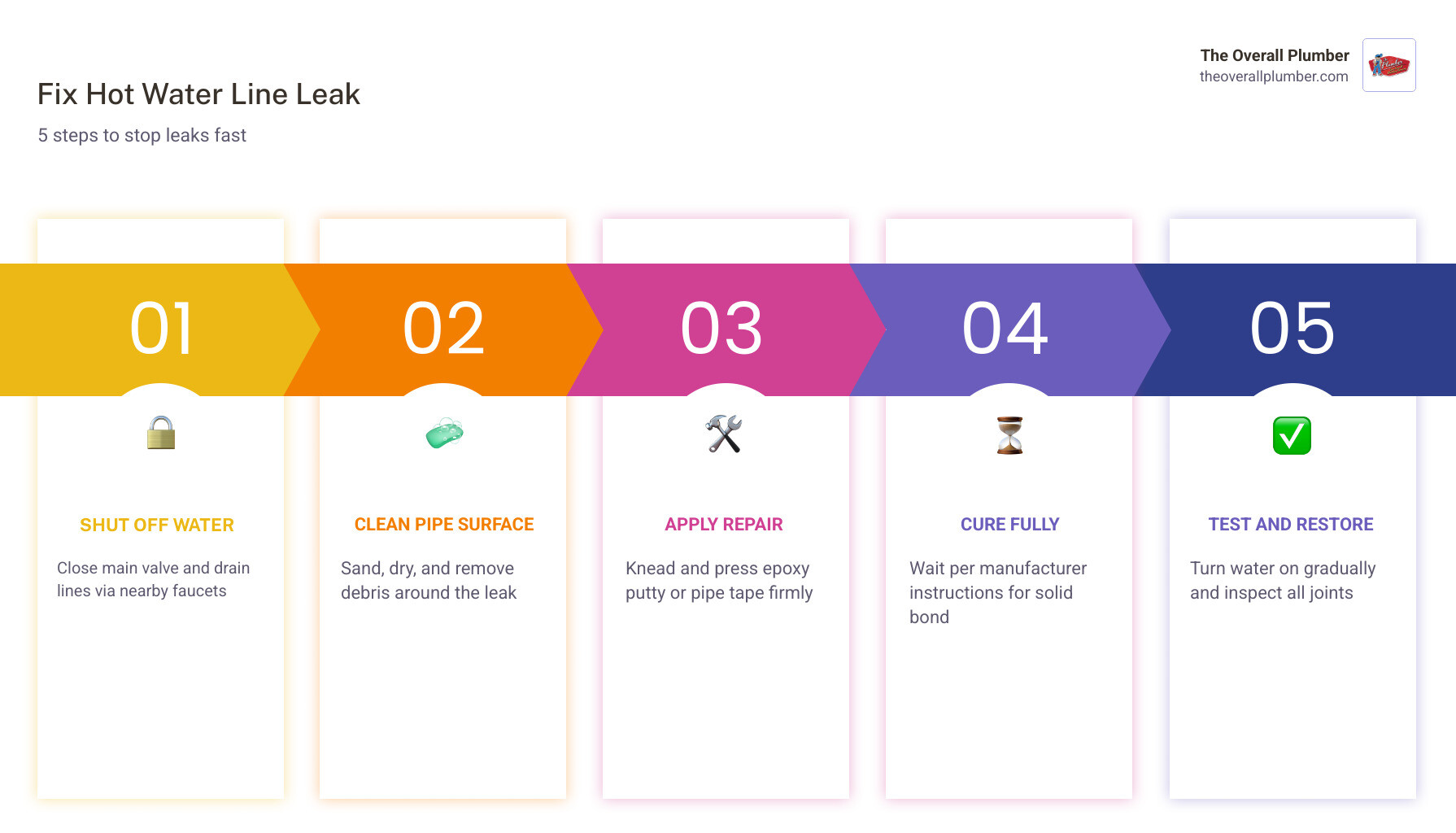
Hot water line repair is something many homeowners need but few are prepared for. Before you read further, here’s a quick overview of how to fix a hot water line leak:
- Shut off the water supply at the main valve or local shutoff
- Drain the lines by opening nearby faucets
- Clean and dry the pipe around the leak
- Apply a repair material such as epoxy putty or self-fusing pipe tape
- Restore water slowly and check for leaks
Hidden behind walls and under floors, your hot water lines work under constant heat and pressure. When one fails, the damage adds up fast. According to the EPA WaterSense program, household leaks waste nearly 1 trillion gallons of water every year across the country. Even a single dripping faucet can waste more than 3,000 gallons per year – and a leaking hot water line is far worse.
The good news? Many hot water line leaks can be fixed without a full pipe replacement, using affordable materials and basic tools.
I’m Dayton Whitworth, a second-generation plumber serving Greater Brazoria County, Galveston County, Houston, and the surrounding Gulf Coast – and hot water line repair is one of the most common calls we get. In this guide, I’ll walk you through exactly what to do, step by step.
Identifying the Signs of a Hot Water Line Leak
Detecting a leak early is the difference between a quick fix and a massive renovation bill. Unlike cold water leaks, hot water leaks often give themselves away through temperature changes and specific structural signs.
If you suspect your plumbing is failing, look for these warning signs:
- Water Bill Spikes: A sudden increase in your monthly bill without a change in usage is the most common indicator of a hidden leak.
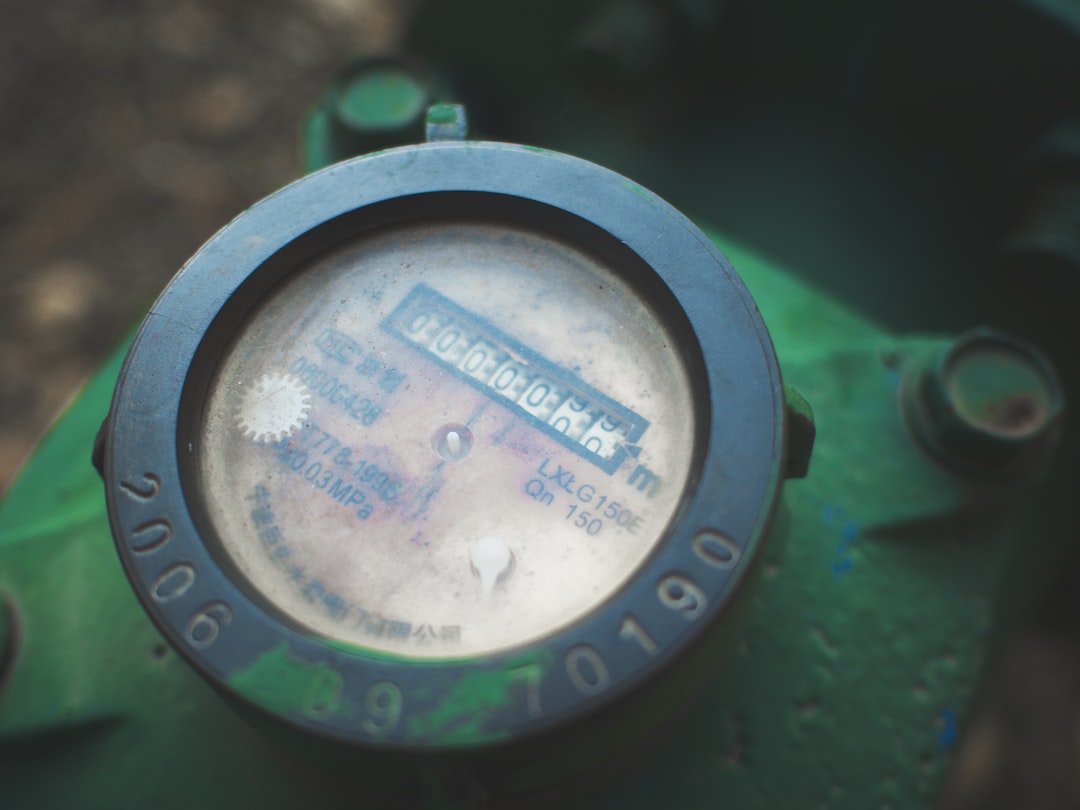
- Meter Movement: Turn off all faucets and appliances. If the little dial on your water meter is still spinning, water is escaping somewhere in your system.
- Wet Spots and Musty Smells: Damp patches on drywall or flooring, accompanied by a persistent mildew odor, often point to a pinhole leak behind the scenes.
- Hot Spots on the Floor: If you are walking across your kitchen or bathroom floor and feel a warm patch under your feet, you likely have a slab leak in a hot water line.
- Discolored Water: Rusty or tea-colored water can indicate that your pipes are corroding from the inside out.
If you notice these signs, you may need Expert Water Line Repair to prevent structural damage to your home’s foundation or framing.
Common Causes of Hot Water Leaks
Understanding why your pipe failed helps you choose the right hot water line repair method.
- Corrosion: Especially in older homes with galvanized steel or copper, minerals in the water and the heat itself can eat away at the pipe walls.
- High Pressure: If your home’s water pressure is set too high (above 80 PSI), it puts immense stress on joints and fittings.
- Loose Fittings: Over time, the constant vibration of water flow and “water hammer” can cause threaded connections to back off slightly.
- Accidental Damage: A misplaced nail during a DIY project or shifting soil in the Houston area can easily puncture or crack a line.
- Thermal Expansion: Hot water pipes expand and contract as they heat up and cool down. This constant movement can lead to fatigue at the joints or where the pipe is secured to studs.
Preparation and Safety for Hot Water Line Repair
Before you grab your wrench, you are dealing with a pressurized system carrying scalding liquid. Safety isn’t just a suggestion; it’s a requirement to avoid trips to the emergency room.
First, locate your main water shutoff valve. In our service areas like League City or Pearland, this is often found near the water meter or where the main line enters the house. If the leak is specifically at the water heater, you can use the cold water inlet valve on top of the tank. For immediate help with major bursts, our 24 Hour Emergency Plumbers are always on standby.
Safety Precautions for hot water line repair
- Burn Risk: Hot water can cause third-degree burns in seconds. Always let the water cool or drain the tank significantly before starting work.
- Electrical Safety: If the leak is near your electric water heater, breaker box, or outlets, shut off the power at the circuit breaker immediately. Water and electricity are a lethal combination.
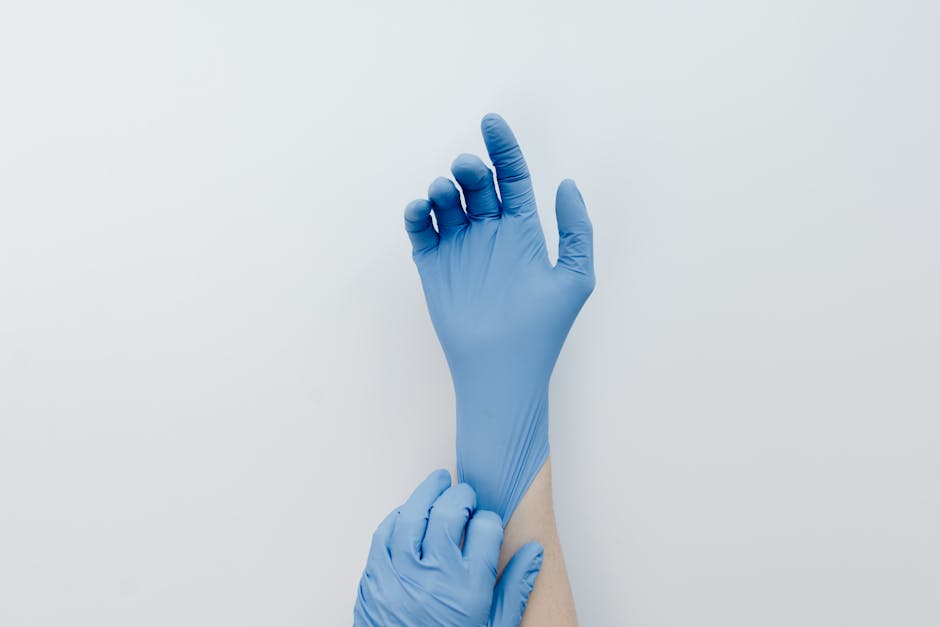
- Protective Gear: Wear nitrile or latex gloves. Not only do they provide a better grip, but they also protect your skin from the chemicals in epoxy putties and pipe cements.
- Pressure Relief: Never cut into a pipe that is still under pressure. Open the lowest faucet in the house to ensure the system is empty.
Essential Tools and Materials
Having everything ready prevents the “half-repaired-pipe-drip” while you run to the hardware store. For a standard hot water line repair, we recommend:
- Epoxy Putty: A two-part putty that hardens like steel.
- Self-Fusing Pipe Tape: Silicone tape that bonds to itself to create a compression seal.
- Sandpaper (80-120 grit): To roughen the pipe surface for better adhesion.
- Pipe Cutter: For removing damaged sections if you’re doing a permanent PEX or copper fix.
- Adjustable Wrench: For tightening loose fittings.
- Cleaning Supplies: A rag and degreaser to ensure the pipe is bone-dry and clean.
How to Fix Hot Water Line Leak in 5 Easy Steps
If you’ve identified a small pinhole leak or a weeping joint, you can often perform a Broken Pipe Repair yourself using these steps.
Step 1: Shut Off Water and Drain Lines
Close the main water valve. Then, go to the lowest point in your home (like a garden hose bib or a basement utility sink) and open the faucet. This uses gravity to pull the remaining water out of the hot water lines, preventing a mess when you start the repair.
Step 2: Clean and Prep the Pipe Surface
Repair materials like epoxy and tape will not stick to a dirty or wet pipe. Use a dry rag to wipe away all moisture. Then, use your sandpaper to lightly scuff the area around the leak. This “roughening” gives the repair material more surface area to grab onto.
Step 3: Apply the Repair Material
- For Epoxy Putty: Cut a piece off and knead it in your gloved hands until it’s a uniform color. Press it firmly over the leak, extending it about an inch on either side.
- For Pipe Tape: Start about two inches before the leak. Wrap the tape tightly, stretching it as you go. Overlap each layer by half the width of the tape. The tension creates the seal.
Step 4: Allow for Proper Curing Time
Patience is key. Most epoxy putties require at least 30 to 60 minutes to harden, while some “repair casts” might need longer. Check the manufacturer’s instructions. If you turn the water on too early, the pressure will simply blow the soft putty right out of the hole.
Step 5: Restore Water and Test for Leaks
Slowly open the main water valve. Do not blast it open; a sudden surge of pressure can damage the repair. Go to the repair site and watch it closely for at least 10 minutes. If it stays dry, you’ve successfully completed your hot water line repair.
When to Call a Professional for hot water line repair
While a DIY patch is great for a temporary fix on a visible pipe, some situations require professional help. If you have a leak under a concrete slab, inside a wall you can’t reach, or on the main service line entering your home, you need Professional Plumbing Services.
At The Overall Plumber, we use specialized camera inspections and acoustic leak detection to find the exact spot of the break without tearing up your whole house. We also provide no trip charges, satisfaction guarantees, and no overtime fees, with priority scheduling available through our plumbing protection plan.
Material Considerations for hot water line repair
Different pipes require different expertise. Here is how we handle the most common materials in the Texas Gulf Coast area:
| Pipe Material | Common Issue | Repair Method |
|---|---|---|
| Copper | Pinhole leaks from acidic water | Soldering (sweating) new fittings or using push-to-connect fittings rated for potable water. |
| PEX | Rodent damage or freeze cracks | Crimp rings and PEX couplings; very fast and reliable. |
| Galvanized | Internal rust and clogging | Usually requires replacement as the threads are often too brittle to repair. |
| CPVC | Becomes brittle with age/heat | Solvent welding with specialized CPVC cement. |
Cost Analysis: Repair vs. Full Replacement
We always try to save our customers money. A simple hot water line repair might cost a few hundred dollars in labor and materials. However, if your pipes are over 40 years old and have multiple leaks, a full repipe might be more cost-effective in the long run.
To help manage these costs, we offer the Overall Plumbing Protection Plan, which includes annual inspections to catch these leaks while they are still small, cheap fixes.
Frequently Asked Questions about Hot Water Leaks
Why is my hot water line leaking but not the cold?
Hot water lines are under significantly more stress. Heat causes the pipe material to expand and contract, which weakens joints over time. Additionally, hot water can accelerate the corrosion of certain metals and cause sediment buildup from the water heater to settle in the lines, creating high-pressure points that lead to leaks.
How much does it cost to fix a hot water line?
Costs vary based on location and access. A simple exposed pipe repair in a crawlspace or under a sink is relatively inexpensive. However, if we have to repair a buried service line or open a slab to reach the leak, the costs will be higher. We always provide upfront quotes with no trip charges to ensure you aren’t surprised by the bill.
Can I use regular duct tape for a temporary fix?
No. Duct tape is not designed for pressure or heat. The adhesive will soften when the hot water flows, and the tape will stretch and fail under the 50-80 PSI common in residential plumbing. Always use products specifically rated for potable water and high temperatures, like silicone self-fusing tape or epoxy putty.
Long-Term Prevention and Protection
The best hot water line repair is the one you never have to make. To protect your home:
- Install a Pressure Regulator: Keep your home’s pressure between 50 and 70 PSI.
- Flush Your Water Heater: Do this annually to prevent sediment from entering your hot water lines. If your unit is over 10 years old, consider a Hot Water Heater Replacement.
- Insulate Your Pipes: This reduces the extreme temperature swings that cause pipes to expand and contract.
Contact the experts at The Overall Plumber today for a guaranteed permanent solution to your hot water line issues.