

How to Choose Sewer Cleaning in Clear Lake, Texas
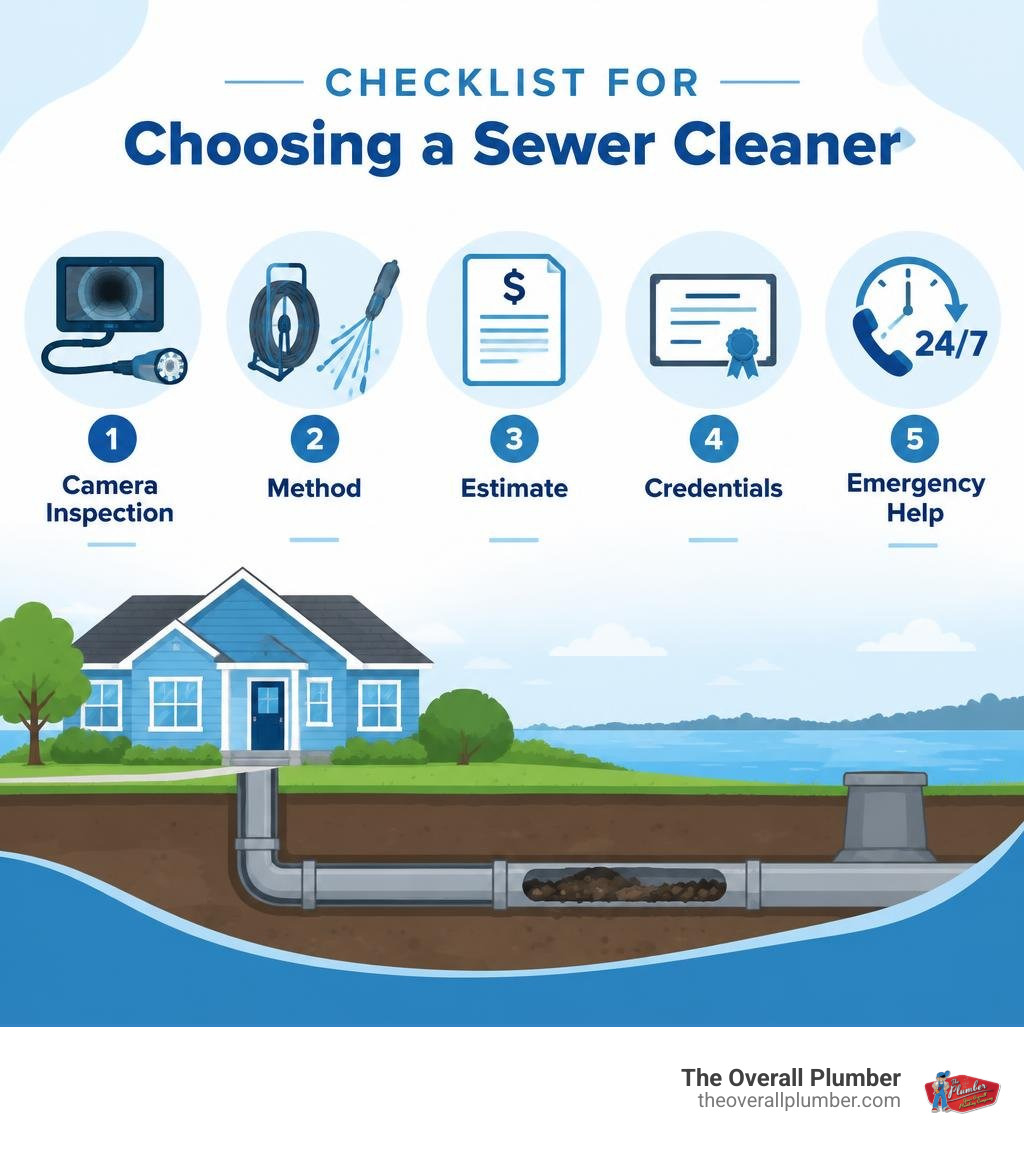
When you need sewer cleaning in Clear Lake, choose a plumber who can inspect the line with a camera, explain whether snaking or hydro jetting fits the problem, and give you an upfront estimate. Check licensing, insurance, recent reviews, and emergency availability before you book. Selecting the right team ensures that recurring blockages, intrusive tree roots, and heavy buildup are resolved thoroughly rather than patched over with temporary fixes.
If several drains slow down at once, pipes gurgle, or wastewater backs up, stop using water and call for help immediately. Always ask whether your quoted price includes high-definition diagnostic inspection, complete line cleaning, cleanout access prep, and any after-hours emergency fees.
I’m Dayton Whitworth, a second-generation plumber serving Texas’s Gulf Coast. My direct field experience with complex drain problems, structural pipe rehabilitation, and emergency plumbing informs this guide to sewer cleaning in Clear Lake, helping you evaluate local providers with complete confidence.
Signs of Clogged Lines and When to Call for Service
Recognizing the earliest warnings of sewer trouble can mean the difference between a simple clearing visit and a massive restoration bill. When your home’s main lateral line experiences friction, grease accumulation, or blockages, the entire drainage network suffers throughout your property.
Signs You Need Urgent Clear Lake Sewer Cleaning
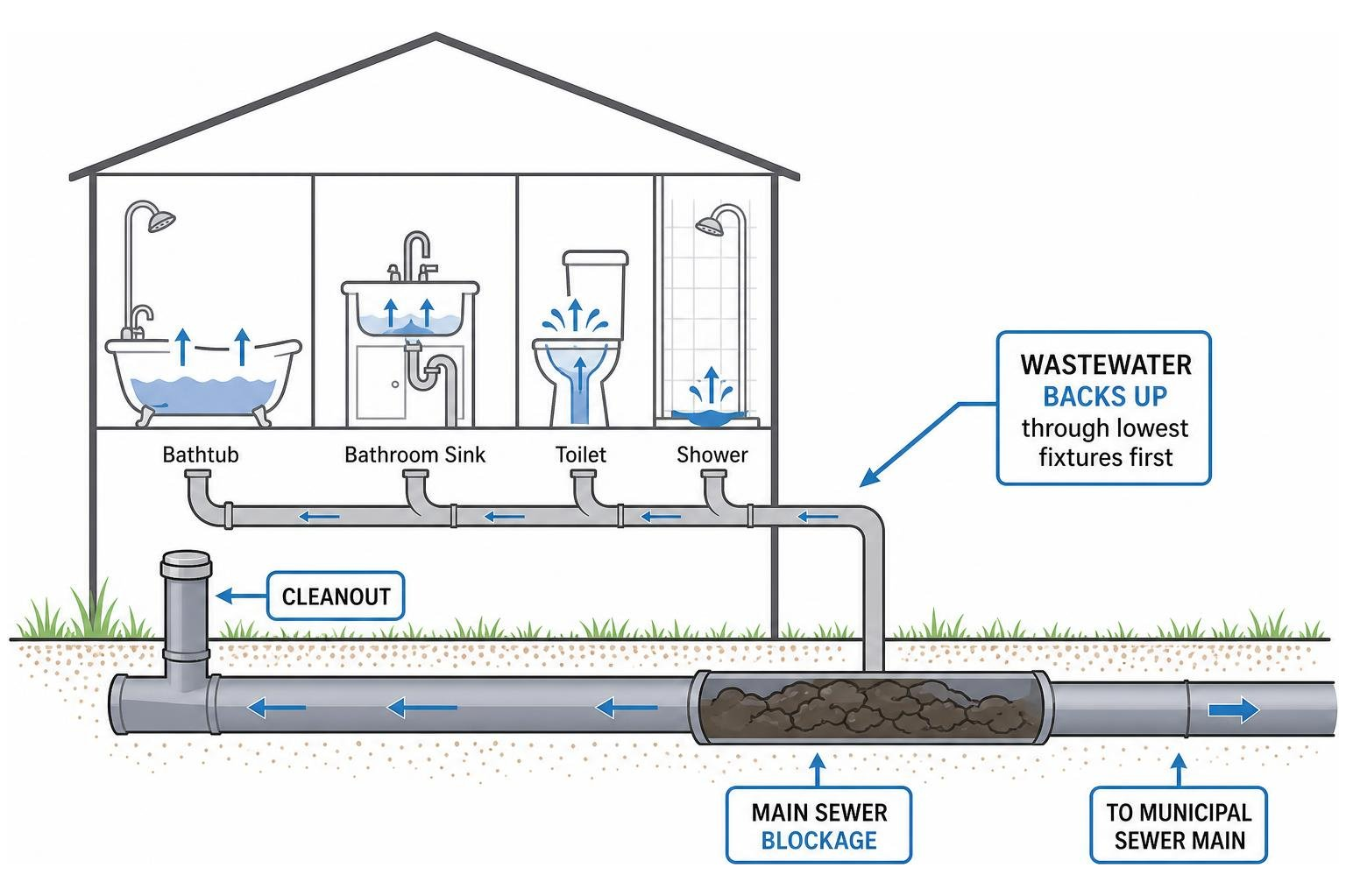
When wastewater cannot move out to the municipal main or private treatment lateral, it searches for the lowest physical exit point in your home. This typically means your ground-floor bathtubs, showers, and basement floor drains become immediately vulnerable. Key indicators that your system requires immediate attention include:
- Multiple Slow Drains: If a single sink is sluggish, the trap under that specific fixture is likely clogged. When your kitchen sink, guest shower, and master bath all drain poorly at the same time, the main line is obstructed.
- Gurgling Sounds: Hearing bubbling noises from your toilet when you run the bathroom sink or washing machine indicates trapped air bubbling up through water seals due to downstream pressure.
- Sewage Odors: Smelling sewer gas near fixtures or around your foundation indicates wastewater is pooling inside the pipes rather than exiting smoothly into the public main.
- Wastewater Backups: If using your washing machine causes dirty water to surface in your ground-floor bathtub, your main lateral is severely choked and requires emergency service.
Understanding the underlying sewer line backup causes helps you spot recurring structural problems, pipe bellies, and shifting soil before they result in catastrophic indoor property damage and hazardous blackwater contamination.
DIY Clearing vs. Professional Intervention
Many homeowners reach for retail chemical drain cleaners or rented mechanical snakes when drains back up. However, pouring harsh caustic liquids into standing wastewater rarely clears thick root masses or solidified fat accumulations. These chemicals generate intense exothermic reactions that soften older PVC, warp thin-walled plastic fittings, or corrode aged cast iron pipes, creating severe safety and environmental hazards for plumbing technicians.
Rented hand augers also carry significant structural risks. Without the proper torque control, automatic feed clutches, and professional experience, these rigid cables can twist, snap inside the pipe, or puncture brittle lateral walls. When deciding between DIY sewer clearing vs professional plumbing, professional technicians use motorized systems and protective diagnostic cameras to protect your underground infrastructure.
| Feature | DIY Drain Clearing | Professional Sewer Cleaning |
|---|---|---|
| Diagnostic Capability | None (blind guessing) | High-definition real-time video inspection |
| Root Removal | Limited (pokes small holes) | Complete removal with specialized cutting heads |
| Pipe Safety | High risk of pipe cracking or chemical burns | Controlled pressure and calibrated torque |
| Longevity of Fix | Short-term (clogs return within days) | Long-term preventive pipe restoration |
| Warranty & Protection | None (homeowner assumes all liability) | Workmanship guarantees and protection plans |
Essential Equipment and Methods for Clear Lake Sewer Cleaning
Clearing an underground sewer lateral safely requires specialized mechanical and hydraulic equipment suited to your specific pipe material, system age, and clog density.
Advanced Diagnostic Sewer Camera Inspections
Modern drain cleaning starts with thorough diagnostics. Rather than guessing where a clog is located or blindly punching through soft obstructions, we insert flexible, self-leveling fiber-optic cameras down the sewer cleanout to inspect the full interior run of your pipe in high definition.
A professional sewer camera inspection pinpoints joint misalignments, bellied pipe sections, severe scale buildup, offset connections, and tree root intrusions. Reviewing the homeowners guide to camera line checks gives you a clear picture of what technicians look for during an evaluation and ensures accurate diagnosis before any invasive work begins.
Modern Methods in Clear Lake Sewer Cleaning
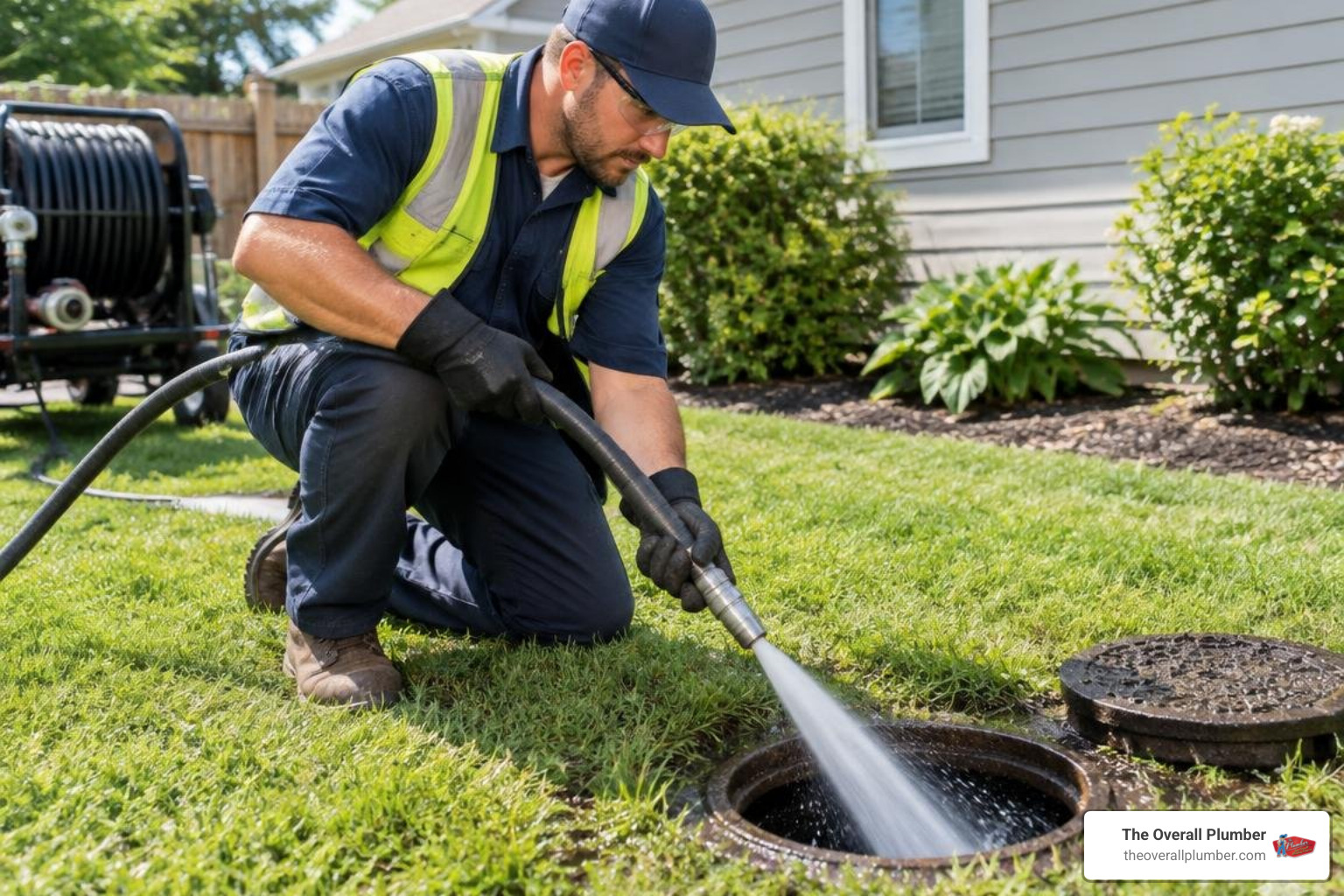
Once diagnostic footage identifies the problem, professional plumbers select the safest, most effective cleaning method:
- Mechanical Augers and Root Cutters: Heavy-duty motorized cables equipped with specialized expandable blades cut through thick tree root masses and dense debris plugs. For localized obstructions, our specialized Houston auger services provide fast, reliable clearing power that restores critical flow without damaging line walls.
- Hydro Jetting: Utilizing forward-facing penetrating jets and reverse propulsion streams operating up to 4,000 PSI, hydro jetters scour pipe walls clean of grease, sludge, and mineral scale, restoring the complete interior diameter of the line.
- Vacuum Extraction Units: For heavy silt, sand, and sediment accumulations, industrial vacuum trucks extract heavy solids directly from access points, matching the high standards used for sanitary district collection equipment.
Cost Factors and Maintenance Schedules for Sewer Lines
Understanding sewer cleaning pricing structures and preventive care schedules helps homeowners budget effectively, protect property values, and avoid unexpected emergency restoration costs.
Average Pricing and Expense Drivers
A basic mechanical drain clearing for a minor main line stoppage generally ranges from $215 to $500. However, if a blockage has caused severe pipe cracking, root saturation, joint separation, or line collapse, overall repair costs average roughly $3,110, typically ranging between $1,310 and $4,950 depending on depth, location, soil stability, and structural condition.
Key factors that influence overall project costs include:
- Depth and Accessibility: Cleanouts buried under deep soil, heavy landscaping, or concrete driveways require additional excavation and labor to expose safely.
- Obstruction Severity: Heavy root ingress requiring high-pressure jetting and rotary mechanical cutters demands more time, specialized tooling, and equipment maintenance than soft paper clogs.
- Pipe Condition: Brittle clay or corroded cast iron lines may require structural rehabilitation or trenchless lining. Homeowners facing extensive line damage can consult our comprehensive sewer line replacement cost guide to evaluate their options and choose between spot repairs, pipe bursting, and full excavation.
Preventive Cleaning Schedules and Local Guidelines
Plumbing professionals recommend preventive sewer maintenance and mechanical snaking every 18 to 22 months. This schedule prevents aggressive root growth from breaking pipe joints, washes away accumulating kitchen fats, and catches grease buildup before it causes an unsanitary backup into your living areas.
In coastal and lake-adjacent communities, maintaining functional sanitary connections is essential for public health, local water quality, and environmental safety. Local wastewater authorities manage miles of underground collection infrastructure to prevent overflow events, making strict adherence to local sanitary district regulations—such as keeping stormwater sump pumps, surface drains, and gutter downspouts disconnected from sanitary sewer laterals—critical for neighborhood drainage safety.
How to Evaluate and Select a Local Sewer Specialist
Selecting the right sewer contractor ensures your underground repairs are completed safely, cleanly, on time, and fully up to regional plumbing code standards.
Licensing, Insurance, and Verified Reviews
Always partner with fully licensed, insured, and verified plumbing contractors who possess dedicated equipment and specialized drainage credentials. A dependable team provides transparent upfront pricing, uses dedicated cleanout protection drop cloths, and guarantees customer satisfaction without surprise dispatch fees. Homeowners seeking reliable clogged drain repair in Clear Lake Shores should confirm their contractor maintains strong community ratings, background-checked technicians, and modern diagnostic video tools.
Emergency Response and Scheduling Guarantees
Sewage backups do not follow standard business hours, often striking during holidays, weekends, or severe storms. When wastewater threatens your home, you need rapid emergency response without burdensome after-hours premiums. We provide upfront estimates, zero trip charges, and priority drain cleaning scheduling to restore your drainage systems promptly and protect your household from damage.
Frequently Asked Questions About Sewer Cleaning
How often should a main sewer line be cleaned or snaked?
A residential sewer lateral should undergo preventive cleaning every 18 to 22 months. If your property is surrounded by mature trees, has experienced recurring clogs, or features older clay or cast iron piping, annual camera inspections help catch root intrusions and joint settling before they cause complete blockages.
What causes main sewer lines to back up most frequently?
The most frequent causes of main sewer clogs are aggressive tree root intrusion through pipe seams, solidified cooking grease and fats poured down kitchen drains, flushed non-dispersible wipes, feminine hygiene products, heavy scale accumulation, and pipe sags (bellies) where standing water collects waste solids.
What should I do immediately during a sewer backup emergency?
Immediately stop running all water fixtures, dishwashers, and washing machines throughout your home to prevent adding volume to the stoppage. Turn off your main water supply if water continues to rise, keep children and pets away from contaminated areas, avoid touching raw sewage, and contact a certified emergency plumber for immediate diagnostic clearing.