
How to Start Clearing a Backed Up Shower Drain
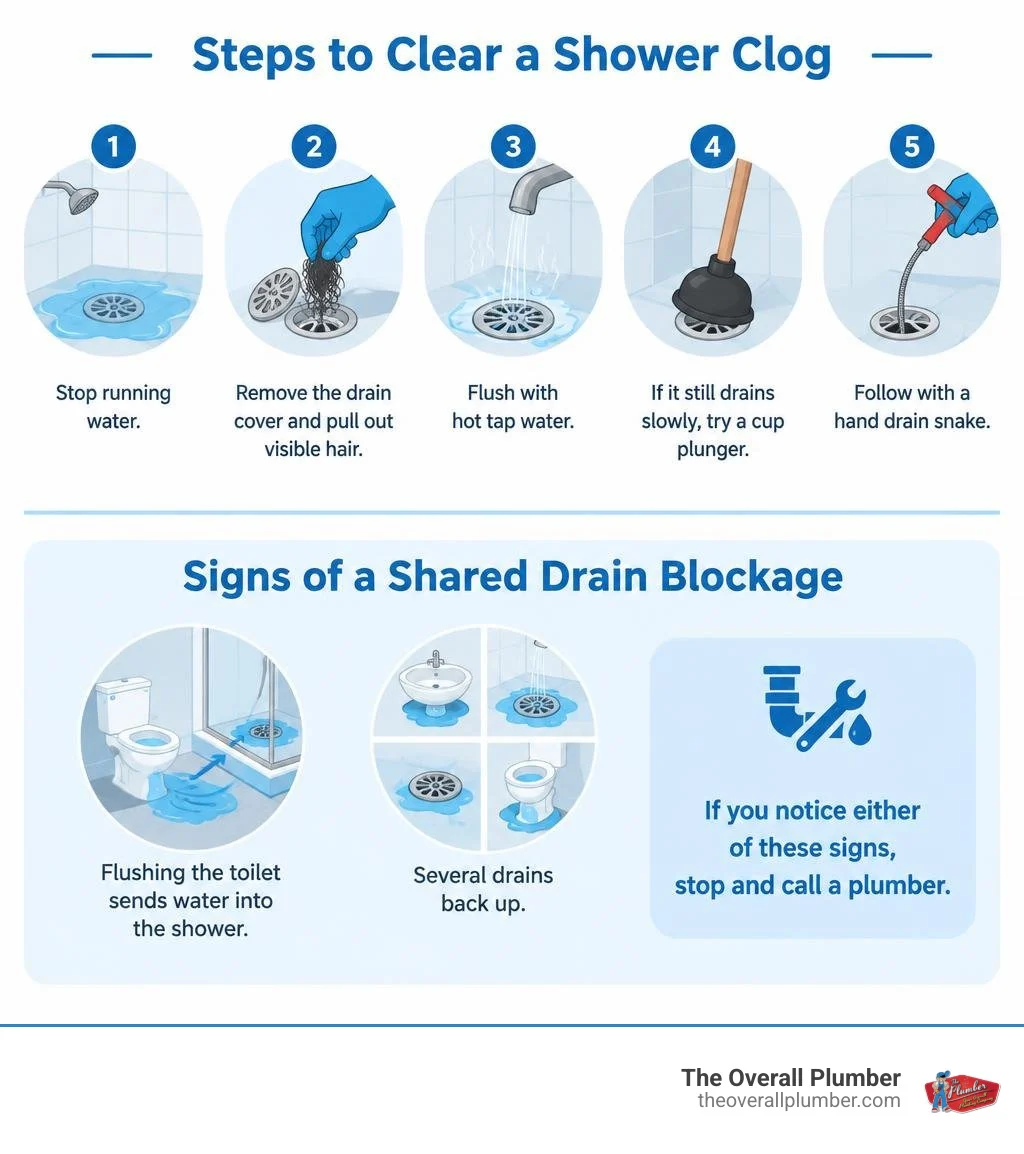
For a backed up shower drain, stop running water. Remove the drain cover and pull out visible hair, then flush with hot tap water. If it still drains slowly, try a cup plunger, followed by a hand drain snake. If flushing the toilet sends water into the shower, or several drains back up, stop and call a plumber. The blockage may be in a shared drain line.
I’m Dayton Whitworth, a second-generation plumber serving the Houston-area Gulf Coast. My work on routine and urgent plumbing problems helps me explain when a backed up shower drain needs more than a quick fix.
What Causes a Backed Up Shower Drain?
When you step into the shower, the last thing you want is soapy, dirty water rising around your ankles. Clogged drains are responsible for roughly 13.4% of plumbing-related incidents that cause water damage in homes. Understanding what causes these obstructions helps you fix them quickly before water spills over your threshold.
In most cases, an obstruction forms gradually inside the curved section of pipe beneath your floor known as the P-trap. Hair is the primary culprit, shedding during washes and catching on tiny imperfections inside the pipe wall. As soap scum, body oils, shampoos, and conditioners wash down, they bind these loose hairs into a dense, sticky mat. Over time, mineral deposits from hard water latch onto the mass, creating a solid barrier that prevents water from flowing freely into the branch line.
Outside of localized buildup, invasive tree roots can break into underground sewer lines, snagging debris and creating severe blockages downstream. If you find yourself in a sudden plumbing panic, reading through our emergency drain guide can help you stabilize the area before serious water damage occurs.
| Problem Level | Primary Symptoms | Common Causes | Recommended Action |
|---|---|---|---|
| Local Fixture Clog | Water backs up only in the shower stall; sinks and toilets drain normally | Hair mats, soap scum, dropped bottle caps in P-trap | Mechanical extraction, plunging, or light hand snaking |
| Main Sewer Line Clog | Multiple fixtures back up; toilet bubbles when shower runs; sewage in lowest drain | Tree root intrusion, collapsed line, heavy grease accumulation | Professional sewer auger service or camera inspection |
Local Fixture Blockage vs Main Sewer Line Backup
It is critical to distinguish between an isolated clog in your shower arm and a broader sewer line emergency. A local blockage occurs within the shower’s dedicated drain pipe or P-trap. In this scenario, running the bathroom sink or flushing the toilet has zero impact on the standing water in your shower pan.
Conversely, a main sewer line clog affects the entire wastewater system. Because the shower or bathtub sits at the lowest elevation in your bathroom, wastewater seeking the lowest physical exit will bubble up through your shower grate whenever upper fixtures drain. If you notice foul sewage smells, gurgling noises across multiple drains, or water rising when running the washing machine, review our guide on what to do when your main drainage pipe is clogged and shut off your water immediately.
Why Plunging a Toilet Can Trigger a Backed Up Shower Drain
Homeowners are often startled when plunging a clogged toilet causes dirty water or sewage to erupt into the adjacent shower. This occurs because modern bathrooms frequently connect the toilet and shower to a shared horizontal branch drain line beneath the subfloor.
When a partial obstruction sits downstream of both fixtures, the downward force of your plunger pressurizes the trapped water between the toilet bowl and the blockage. Because air and water seek the path of least resistance, that displaced hydraulic pressure forces the dirty water straight backward up through the shower trap. In these situations, using a dedicated tool detailed in our toilet auger guide clears the toilet directly without displacing wastewater into adjoining fixtures.
Blocked Plumbing Vent Pipes vs Drain Line Clogs
Your drainage system relies on atmospheric air pressure supplied by plumbing vent stacks that exit through your roof. These pipes introduce air behind running wastewater, allowing it to flow smoothly without creating suction.
When roof vents become clogged by bird nests, leaves, or debris, a negative pressure vacuum locks the drainage system. The trapped air fights the draining water, producing distinct gurgling sounds from your shower drain and releasing sewer gas odors into the room. If plunging and snaking do not resolve the slow drainage, the culprit is often a blocked vent pipe on the roof rather than a physical clog inside the drainpipe itself.
How to Clear a Backed Up Shower Drain: Step-by-Step DIY Solutions
Tackling a backed up shower drain is straightforward when you follow a structured order of operations. Starting with the gentlest physical extraction methods protects your plumbing infrastructure while solving the problem effectively.
Before you begin, gather your personal protective equipment (PPE): waterproof rubber gloves, safety glasses, a bucket, and old towels to catch drips.
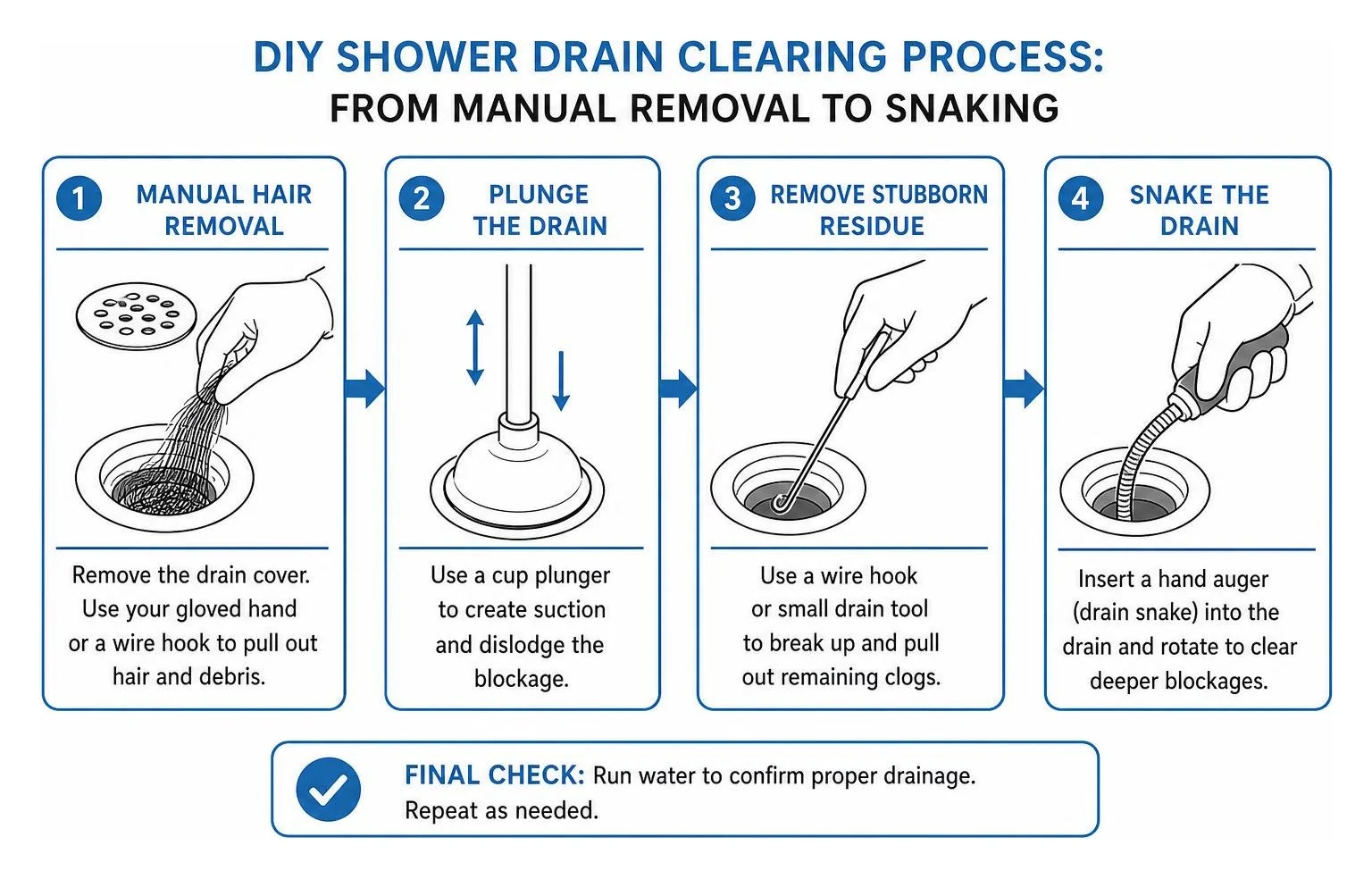
Step 1: Manual Hair Removal and Wire Hook Extraction
Most shower blockages sit within the top 6 to 10 inches of the drain opening, caught on the strainer bracket or inside the upper curve of the P-trap.
- Remove the drain cover using a screwdriver or by gently prying it up if it snaps into place.
- Shine a flashlight down the pipe to locate the mass.
- Take a wire coat hanger, straighten it out, and create a small 1/4-inch hook at the tip using pliers.
- Carefully lower the hook past the crosshairs, twist it to entangle the hair, and pull the mass straight out into a trash bag.
Step 2: The Boiling Water Flush (Pipe Material Safety)
Hot water melts residual soap film, body washes, and grease that bind hair together. However, you must know your pipe material before using this method:
- Metal Pipes (Cast Iron, Copper, Galvanized): Boiling water is safe to pour directly down metal drain assemblies. Pour a full kettle in three slow, steady stages, pausing 30 seconds between pours to allow the heat to penetrate the grease.
- PVC and ABS Plastic Pipes: Never pour rolling boiling water (212°F) down plastic pipes. Boiling water can soften PVC pipes and compromise the glued joint fittings. Instead, use hot tap water or heat water on the stove to no more than 140°F before flushing.
Step 3: Natural Baking Soda and Vinegar Treatment
If hot water alone does not fully clear the sluggish flow, a natural fizzy reaction can loosen stubborn grime without corroding your pipes.
- Pour 1 cup of dry baking soda (sodium bicarbonate) directly down the shower drain opening.
- Follow immediately with 1 cup of distilled white vinegar.
- Cover the drain opening with a wet washcloth or drain plug to force the carbon dioxide fizz downward toward the clog.
- Allow the mixture to sit undisturbed for at least 45 to 60 minutes.
- Flush the drain thoroughly with hot tap water to wash away the loosened debris.
Step 4: Proper Shower Drain Plunging Technique
A standard cup plunger creates powerful push-and-pull hydraulic pressure that can dislodge blockages lodged deeper in the P-trap.
- If your shower has an overflow opening or is part of a combination tub, cover the overflow plate tightly with a damp cloth or duct tape to maintain an airtight seal.
- Apply a thin layer of petroleum jelly around the rim of the rubber plunger cup to improve suction.
- Ensure there is about 1 to 2 inches of standing water in the shower base to submerge the lip of the plunger.
- Place the cup squarely over the drain opening, push down slowly to burp out trapped air, and then plunge vigorously up and down with rhythmic thrusts for 20 to 30 seconds.
- Pull the plunger away sharply to break the seal and check if the standing water drains away.
Step 5: Using a Plumber’s Snake (Auger)
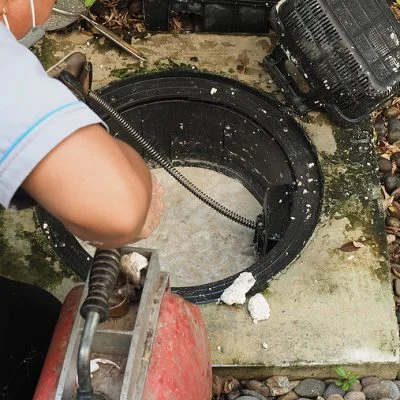
When manual extraction and plunging fail, a mechanical hand auger reaches deep clogs located 5 to 15 feet down the branch line. For broader equipment selection tips, browse our drain snake selection guide.
- Wear heavy-duty gloves and position the snake drum within 4 inches of the shower drain opening to keep the cable stable.
- Loosen the thumbscrew, feed the metal cable into the pipe by hand until you encounter resistance, and tighten the screw.
- Slowly rotate the handle clockwise while applying gentle forward pressure. This threads the auger head into the clog rather than pushing it further down the pipe.
- Once the cable moves past the obstruction, retract the line slowly while continuing to rotate clockwise to pull the hair mass out of the drain.
- Run hot water for 60 seconds to verify clear flow.
Why You Should Avoid Harsh Chemical Cleaners on a Backed-Up Shower Drain
Pouring commercial caustic or acid-based chemical cleaners into a completely backed-up shower drain causes severe problems for your plumbing and your home.
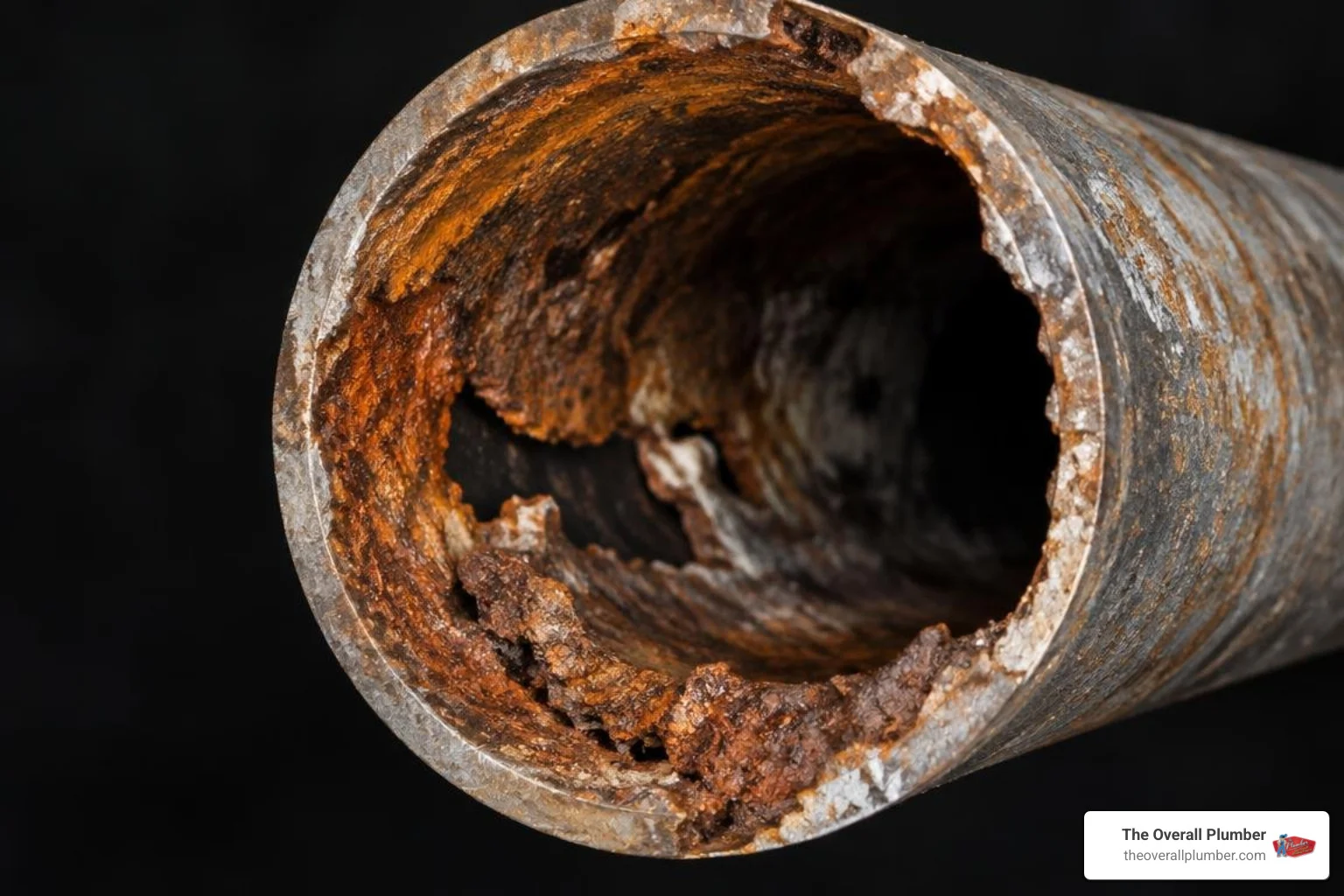
Chemical drain openers work through exothermic reactions that generate intense heat inside the pipe. When water is standing, these chemicals become diluted and sit trapped in the P-trap, softening PVC pipes, warping plastic joints, and accelerating corrosion in older cast iron systems. Additionally, if the chemical fails to clear the clog, you are left with a shower basin full of toxic, corrosive liquid that poses a serious chemical burn risk to you or a visiting plumber. Eco-friendly bacterial or enzyme-based cleaners are much safer for routine maintenance.
How to Prevent Future Shower Drain Backups
Preventative habits eliminate the need to snake your shower on a regular basis. Practicing basic maintenance keeps your wastewater lines flowing smoothly:
- Install a Quality Hair Catcher: Place a silicone or fine stainless steel mesh drain protector over your shower grate to capture strands before they enter the pipe.
- Brush Hair Before Bathing: Removing loose hair with a brush prior to showering significantly cuts down on shed volume.
- Perform Weekly Hot Flushes: Flush your shower line with hot water for two minutes every week to melt away accumulated body wash and soap scum.
- Monthly Maintenance: Treat your drains to a monthly baking soda and warm water flush. To keep all your home fixtures in top condition, review our complete home plumbing guide.
When to Call a Professional Plumber for a Shower Backup
While basic hair clogs yield readily to home remedies, certain symptoms indicate complex drainage failures that require professional equipment. According to Angi’s 2026 data, professional drain cleaning costs between $147 and $352, averaging around $246 nationwide.
You should call a licensed plumber when:
- The shower backs up repeatedly within days of being cleared.
- Foul-smelling black sludge or raw sewage rises through the floor grate.
- Multiple plumbing fixtures across your home drain slowly or overflow at the same time.
- Snaking attempts hit impenetrable obstacles, which often signal invasive tree roots or a broken sewer line.
Our team at The Overall Plumber provides thorough drain cleaning using professional augers and high-definition video camera inspections across Greater Houston, Pearland, League City, Pasadena, Galveston, and nearby Texas communities. We operate with priority scheduling, full satisfaction guarantees, and never charge trip fees or overtime rates. If you need immediate assistance, connect with our 24-hour emergency plumbing team.
Frequently Asked Questions About Shower Drain Backups
Can I pour boiling water down a PVC shower drain pipe?
No. Rolling boiling water reaches 212°F, which exceeds the safe temperature threshold for standard PVC and ABS drainage pipes (typically rated around 140°F). Excessive thermal shock can soften thin-wall plastic pipes, warp P-traps, and weaken glued joint seals, leading to hidden leaks behind walls or beneath the slab. Always stick to hot tap water for PVC systems.
What does black gunk coming up my shower drain mean?
Black gunk is a mixture of decomposing hair, dead skin cells, soap residue, and bacterial biofilm that accumulates in dark, damp drain walls. If it pushes up spontaneously alongside dirty water, it often signals that wastewater from other fixtures is backing up due to a clog in your branch or main sewer line.
How do I know if my shower drain clog is in the main line or the P-trap?
Perform a quick isolation test: run water exclusively in the shower. If the shower backs up while the bathroom sink, toilet, and other household fixtures drain perfectly, the clog is isolated to that shower’s P-trap. If running your sink or flushing a toilet causes water or bubbles to rise inside the shower stall, the stoppage is downstream in a shared branch line or the main sewer pipe.
If your shower drain remains backed up after trying these safe home remedies, we are here to help. Contact The Overall Plumber today to schedule your service with no trip charges.