


What You Need to Know About Toilet Replacement in 2026
Toilet replacement costs between $400 and $900 for a standard job in 2026, including the new toilet, labor, supplies, and haul-away. Here’s a quick overview:
| What You Need to Know | Quick Answer |
|---|---|
| Average total cost | $400 – $900 |
| Labor cost | $150 – $400 |
| Toilet unit cost | $150 – $1,500+ |
| Time to complete | 1 – 3 hours (standard) |
| Best value toilet tier | $300 – $600 mid-range |
| Annual water savings | $100 – $300 (vs. pre-1994 toilet) |
| Most common hidden cost | Flange repair ($145 – $300) |
Sometimes it’s a slow leak. Sometimes it’s a running toilet at 2 a.m. Either way, most homeowners reach a point where fixing the old one just doesn’t make sense anymore.
A new toilet does more than stop the problem. Modern WaterSense-certified toilets use just 1.28 gallons per flush, compared to 3.5 to 7 gallons in older models. For a family of four, that gap can mean $100 to $300 back in your pocket every year.
This guide covers everything — costs, measurements, step-by-step installation, and when to call a pro.
I’m Dayton Whitworth, a second-generation plumber serving Greater Brazoria County, Galveston County, Houston, and the surrounding Gulf Coast, with hands-on experience across hundreds of toilet replacement jobs of every complexity. In the sections below, I’ll walk you through exactly what to expect — from the first shut-off to the final test flush.

Average Cost of Toilet Replacement in 2026
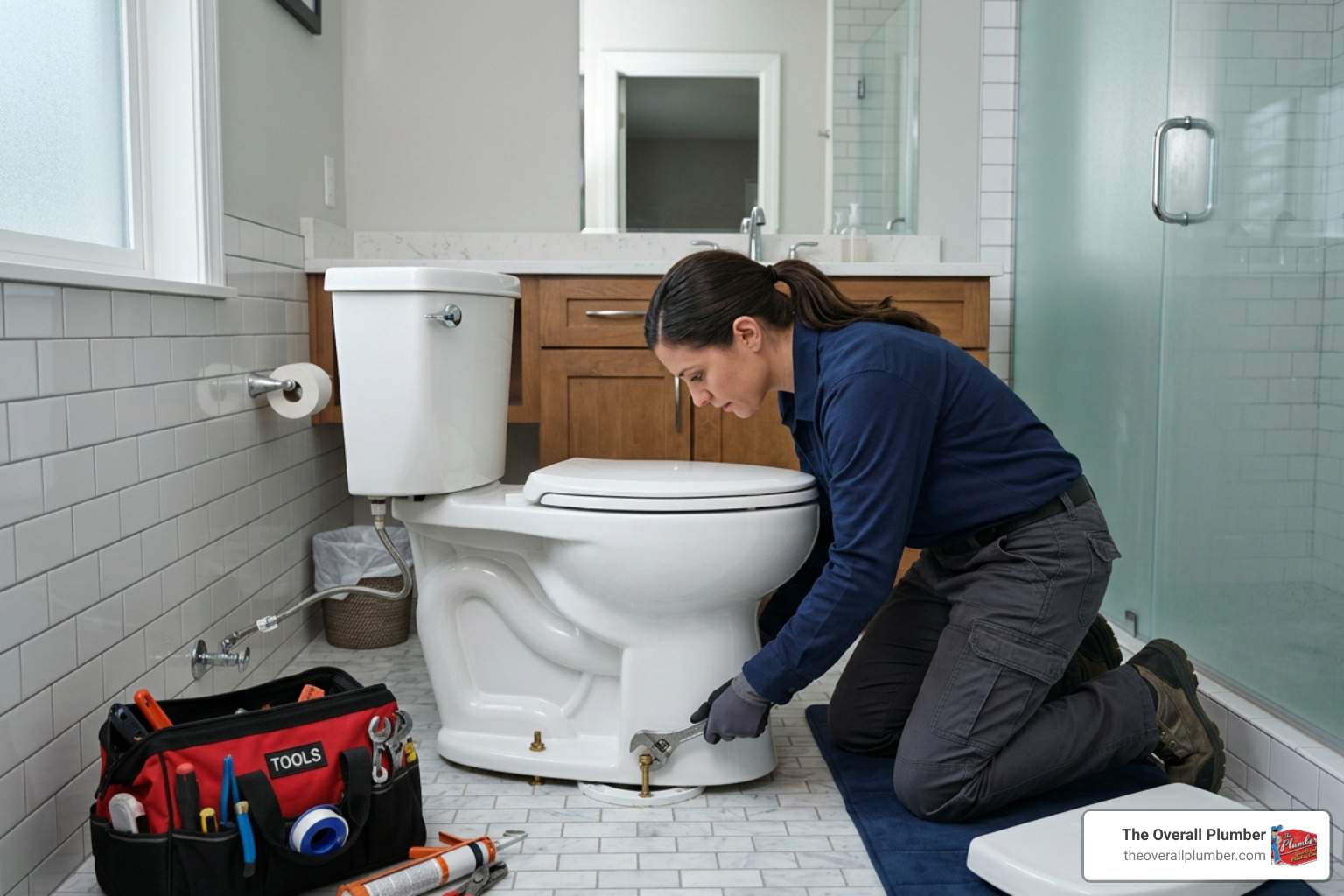
When planning a toilet replacement in 2026, understanding the pricing landscape helps you budget effectively without getting caught off guard. While a standard installation typically ranges from $400 to $900, local factors can influence this total. For instance, in major metropolitan areas, labor and logistics can push overall replacement prices 30% to 50% higher than the national average.
The overall cost is divided into two primary parts: the physical toilet fixture and the labor required to remove the old unit and install the new one. To find the right balance between cost and quality, we recommend looking at our comprehensive Toilet Installation Cost Guide for Every Budget.
To help you visualize where your money goes, here is a detailed breakdown of toilet replacement costs by tier:
| Toilet Tier | Price Range (Fixture Only) | Best Suited For | Key Characteristics |
|---|---|---|---|
| Budget | $150 – $300 | Rental properties, half-baths, tight budgets | Basic gravity flush, standard height, plastic components in tank. |
| Mid-Range (Sweet Spot) | $300 – $600 | Most residential homes, family bathrooms | Superior flush engineering (e.g., Toto Drake II, Kohler Highline), 15+ years of parts availability, highly durable. |
| Upper Mid-Range | $600 – $1,200 | Modern remodels, master suites | Skirted trapways, dual-flush options, comfort height, soft-close seats included. |
| Premium / Smart | $1,200 – $5,000+ | Luxury bathrooms, tech enthusiasts | Integrated bidets, heated seats, motion-activated lids, self-cleaning bowls. |
DIY vs. Professional Toilet Replacement Costs
Choosing between a DIY approach and hiring a professional comes down to a balance of labor savings and personal risk. Handling the installation yourself saves you the $150 to $400 professional labor fee, leaving you to pay only for the fixture and about $20 to $50 in basic supplies (such as a new wax ring, closet bolts, and a flexible supply line).
However, DIY toilet replacement is riskier than it looks. A toilet is a heavy, awkward porcelain object weighing anywhere from 70 to 120 pounds. Dropping it can crack your bathroom tile or destroy the new toilet itself. More importantly, an improperly installed wax seal or loose flange bolts can cause slow, invisible leaks beneath the base. By the time you notice water damage on your ceiling downstairs or feel soft spots in your bathroom floor, you could be looking at thousands of dollars in subfloor remediation.
Before making a decision, read How Much Does it Cost to Replace a Toilet? to weigh the financial realities of professional versus self-installation.
Water Bill Savings from a New Toilet
If your home has a toilet manufactured before 1994, keeping it in service is costing you money every day. Those older models use between 3.5 and 7 gallons per flush (GPF). By comparison, modern WaterSense-certified toilets are engineered to clear the bowl using just 1.28 GPF.
Let’s look at the math for a family of four flushing a combined 20 times per day:
- Old Toilet (average 5 GPF): 100 gallons per day / 36,500 gallons per year
- Modern WaterSense Toilet (1.28 GPF): 25.6 gallons per day / 9,344 gallons per year
- Annual Water Savings: Over 27,000 gallons of water saved
According to the EPA, upgrading to a WaterSense model saves the average family about $170 a year in water and sewer charges. Depending on local municipal rates in coastal Texas areas like Galveston or League City, those savings can climb as high as $300 annually. Over the ten-year lifespan of a new mid-range toilet, a $500 investment pays for itself entirely through reduced utility bills.
Key Factors That Influence Toilet Replacement Costs
A straightforward toilet swap takes a professional plumber between one and three hours. However, the condition of the plumbing hidden beneath your old toilet can significantly impact the final price of your project.
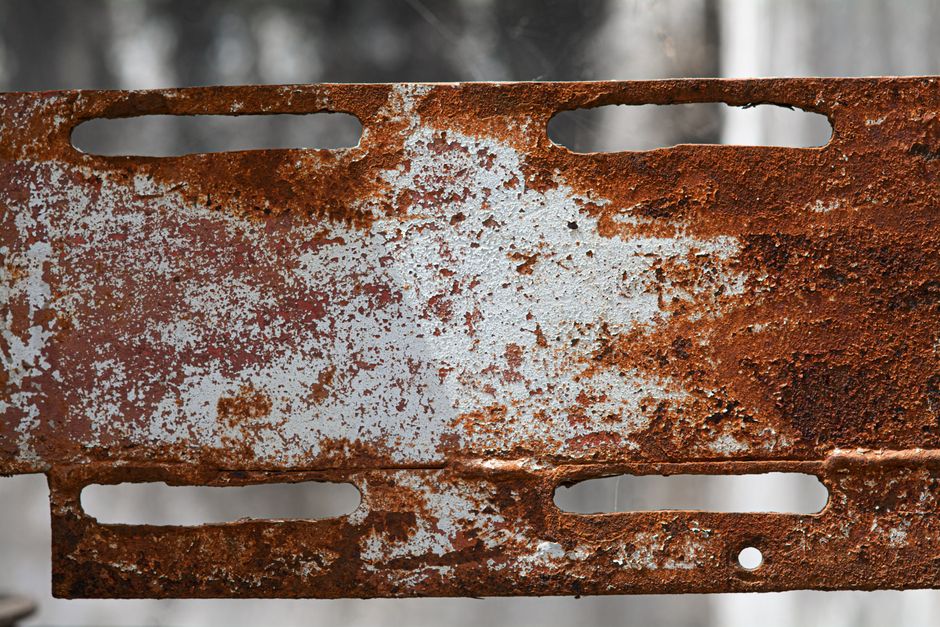
The most common cost driver is the condition of the toilet flange—the plastic, brass, or cast-iron ring that secures the toilet to the floor and connects it to the drain pipe. If your old wax ring has been leaking, or if the flange has corroded over time, it must be repaired or replaced before the new toilet can be set. Having a plumber repair or replace a damaged flange runs between $145 and $300 on average. If you are comfortable with basic plumbing tasks, you can purchase flange repair straps or spacer kits at a local hardware store for under $20.
A failing flange seal often leads to water leaking into the surrounding wood. If the subfloor has rotted, you will need to hire a carpenter to cut out the damaged plywood and rebuild the floor structure, which can add $200 to $1,500 to your total project cost. For a deeper look at preventing these issues, check out our guide on how to Stop the Swamp with a New Toilet Seal.
Hidden Plumbing Issues During Toilet Replacement
In older homes across Pasadena, La Porte, and Galveston, we often find outdated cast-iron drain lines. Over decades, cast iron rusts from the inside out and becomes brittle. When a plumber removes an old toilet, the mechanical stress can crack a corroded cast-iron drain connection. Repairing or replacing a cracked cast-iron stack can cost anywhere from $800 to $2,500, depending on accessibility.
Another common hidden issue is a seized shut-off valve. If your toilet’s water valve has not been turned in ten or twenty years, the internal seals may have degraded, causing it to leak when you try to shut off the water. Replacing a faulty shut-off valve typically costs between $75 and $200. To learn how to manage this yourself or what to expect when a plumber handles it, read our step-by-step instructions: Stop the Flow: A Guide to Installing Your New Toilet Shut-Off Valve.
How to Measure, Remove, and Install a New Toilet
Before you purchase a new toilet, you must take three precise measurements to ensure it fits your bathroom layout:
- The Rough-In Size: This is the distance from the finished wall behind the toilet to the center of the closet bolts holding the toilet to the floor. Note: Always measure from the drywall or tile, not from the baseboard. While 12 inches is the standard rough-in size for most modern homes, older homes may require a 10-inch or 14-inch specialty model.
- Bowl Shape: Choose between an elongated bowl (measuring roughly 18.5 inches from the seat bolts to the front tip) or a round bowl (measuring roughly 16.5 inches). Elongated bowls offer superior comfort, but round bowls are ideal for saving space in small powder rooms.
- Toilet Height: Standard toilets measure 14 to 15 inches from the floor to the rim. Comfort-height (or chair-height) toilets measure 17 to 19 inches, making them much easier to use for taller individuals, seniors, or anyone with knee or back issues.
Removing the Old Toilet Safely
If you have decided to tackle this project as a DIY job, follow these steps to remove your old toilet safely:
- Turn Off the Water: Turn the shut-off valve behind the toilet clockwise until it stops.
- Drain the System: Flush the toilet and hold the handle down to empty the tank. Use a sponge, wet-dry vacuum, or water solidifier powder to remove any water remaining at the bottom of the bowl and tank.
- Disconnect the Water Line: Use an adjustable wrench to disconnect the flexible supply line from the fill valve at the bottom of the tank. Keep a small bucket nearby to catch any drips.
- Remove the Toilet Tank: If you have a two-piece toilet, removing the tank first makes the process lighter and safer. Loosen the tank-to-bowl bolts underneath the tank and lift it away.
- Unbolt the Bowl: Remove the plastic bolt caps at the base of the toilet and unscrew the nuts from the closet bolts using an adjustable wrench. If the bolts spin, hold them in place with pliers while turning the nut.
- Break the Seal and Lift: Gently rock the toilet bowl from side to side to break the old wax seal. Lift the bowl straight up and set it aside on a piece of cardboard or an old towel to avoid staining your floor.
- Clean the Flange: Use a plastic putty knife to scrape all the old, sticky wax off the flange. Once clean, stuff an old rag into the open drain line to block sewer gases from entering your home.
Installing the New Toilet Step-by-Step
With the floor clean and the flange inspected, you are ready to install your new fixture:
- Install New Closet Bolts: Slide the new solid brass closet bolts into the collar slots on the flange, pointing them straight up.
- Prepare the Wax Seal: You can place the new wax ring directly over the flange or press it onto the discharge outlet on the bottom of the new toilet bowl. Tip: Keep the wax ring in a warm room (70°F to 110°F) before installation so it remains pliable.
- Set the Toilet Bowl: Remove the rag from the drain. Lift the toilet bowl, align the base holes with the upright closet bolts, and lower the bowl straight down onto the flange. Do not tilt or rock the toilet once it touches the wax ring.
- Secure the Base: Press down firmly on the bowl using your body weight to compress the wax ring. Place plastic washers and brass nuts onto the bolts. Tighten the nuts alternating from side to side to ensure even pressure. Do not overtighten, as this will crack the porcelain bowl.
- Mount the Tank: Install the large rubber gasket (spud washer) onto the flush valve opening at the bottom of the tank. Lower the tank onto the bowl, aligning the tank bolts with the holes in the bowl. Tighten the nuts evenly until the tank sits level and secure.
- Connect Water and Test: Connect a new braided stainless steel supply line to the fill valve and the shut-off valve. Turn the water on slowly and check all connections for leaks. Flush the toilet several times to ensure the wax ring has sealed correctly.
- Apply Caulk: Run a clean bead of silicone caulk around the base of the toilet to keep water from seeping underneath, leaving a small gap at the back so you can spot any future leaks.
For more detailed visual instructions and expert tips, reference How To Replace a Toilet | Family Handyman. If you discover that your tank is running after installation, you may only need to make a quick adjustment; see our guide on How to Replace a Flapper in Less Than an Hour for a simple fix.
Frequently Asked Questions About Toilet Replacement
When should I replace my toilet instead of repairing it?
You should replace your toilet if the porcelain bowl or tank has visible cracks, if the toilet rocks and leaks at the base due to subfloor rot, or if you are dealing with frequent clogs that require professional clearing. If you are constantly plunging, read our guide on How to Unclog Toilet with a Snake to see if the issue is a simple clog or a sign of systemic drainage failure.
Can I reuse my old wax ring during installation?
No. Wax rings are single-use seals. Once a toilet is lifted, the wax ring is permanently compressed and cannot reform a watertight seal. Always buy a new wax ring for every installation.
How long does a standard toilet installation take?
For a professional plumber, a standard replacement takes between one and three hours. If we encounter hidden issues like a corroded flange, a seized shut-off valve, or damaged subflooring, the job can take most of a day.
Ready for a Professional Toilet Replacement?
While DIY toilet installation is possible, the risks of water damage, sewer gas leaks, and heavy lifting lead many homeowners to seek professional help. At The Overall Plumber, we make the process simple, clean, and stress-free.
We serve communities across Brazoria County, Galveston County, Harris County, and the surrounding areas, including Houston, Clear Lake, Santa Fe, League City, Texas City, La Porte, Friendswood, Pearland, Pasadena, and Galveston. When you choose us, you benefit from our satisfaction guarantees, priority scheduling, and no overtime fees. Plus, we offer professional drain cleaning and camera inspections to ensure your home’s waste lines are in perfect condition before your new fixture is set.
Call us today at (281) 668-8055 or schedule your professional toilet replacement today with our experienced team.