

When a Plunger Isn’t Enough: How to Use a snake for unclogging toilet Drains
How to use a snake to unclog a toilet — quick answer:
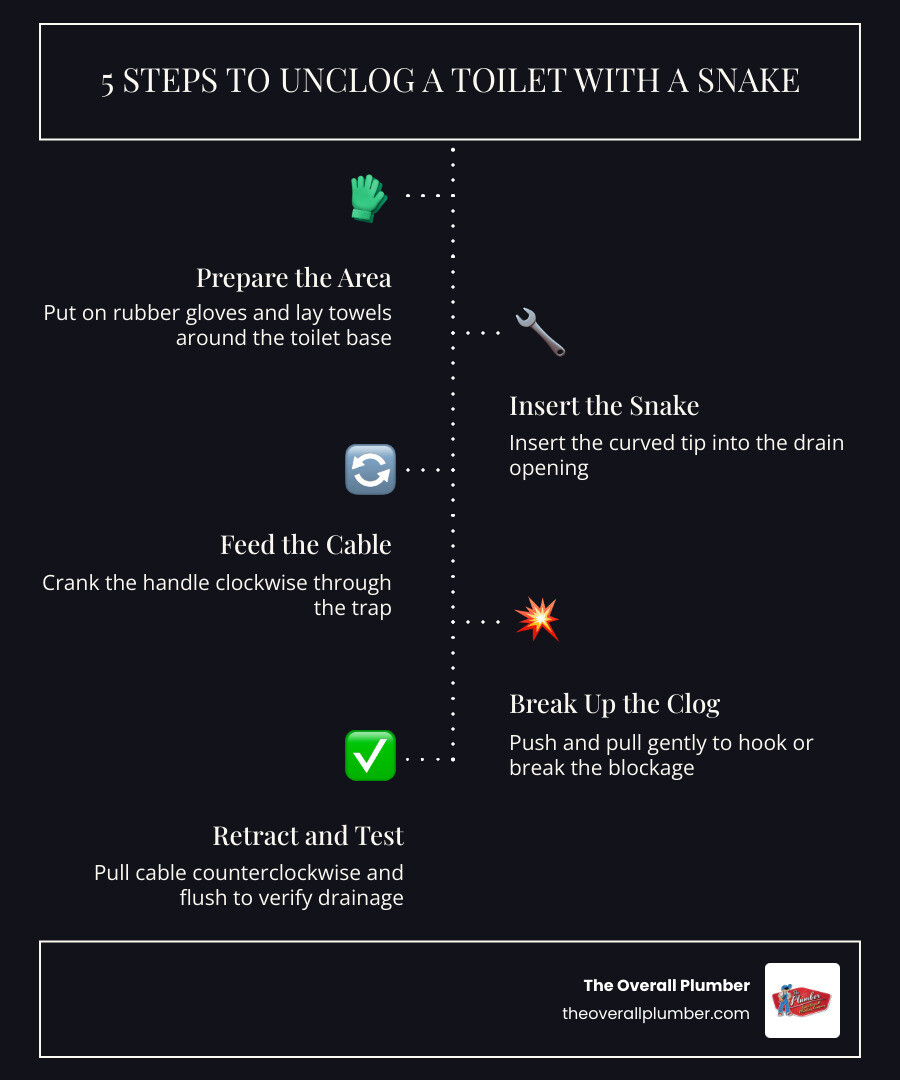
- Put on rubber gloves and lay towels around the base of the toilet.
- Insert the curved tip of the toilet snake into the drain opening.
- Crank the handle clockwise to feed the cable through the trap.
- Push and pull gently to break up or hook the clog.
- Retract the cable counterclockwise and flush to test drainage.
A snake for unclogging toilet drains is the go-to tool when a plunger just won’t do the job. About 40% of toilet clogs run deep enough that a plunger can’t reach them — but a toilet snake, also called a closet auger, can. It works by feeding a flexible cable through the toilet’s curved trap to physically break up or pull out whatever is blocking the flow. Unlike chemical drain cleaners, it won’t corrode your pipes. And unlike calling a plumber, it won’t cost you $100 to $250 for a simple service call. The DIY success rate with a toilet auger is over 90% for common household clogs.
I’m Dayton Whitworth, a second-generation plumber serving the Greater Houston and Gulf Coast area, and I’ve cleared hundreds of stubborn toilet clogs using exactly the techniques covered in this guide. Keep reading for everything you need to know to snake a toilet safely and effectively on your own.
Understanding the Snake for Unclogging Toilet
When we talk about a snake for unclogging toilet blockages, we are specifically referring to a tool known in the industry as a “closet auger.” As noted on Plumber’s snake – Wikipedia, these devices are specialized versions of the standard plumber’s snake. They consist of a long, flexible metal cable housed inside a metal tube, with a hand crank at one end and a corkscrew-like “auger” head at the other.
The magic happens when you rotate that handle. The cable spins as it travels deep into the plumbing, allowing it to navigate the tight turns of the toilet’s internal trap. This is essential for How to Stop the Clogging of Drainage Before Your House Becomes a Pool, as it addresses the root cause of the backup rather than just pushing water against it like a plunger does.
Toilet Snake vs. Standard Drain Snake
One of the biggest mistakes we see homeowners in League City and Pearland make is trying to use a standard drain snake (like the ones used for sinks) on a toilet. This is a recipe for disaster.
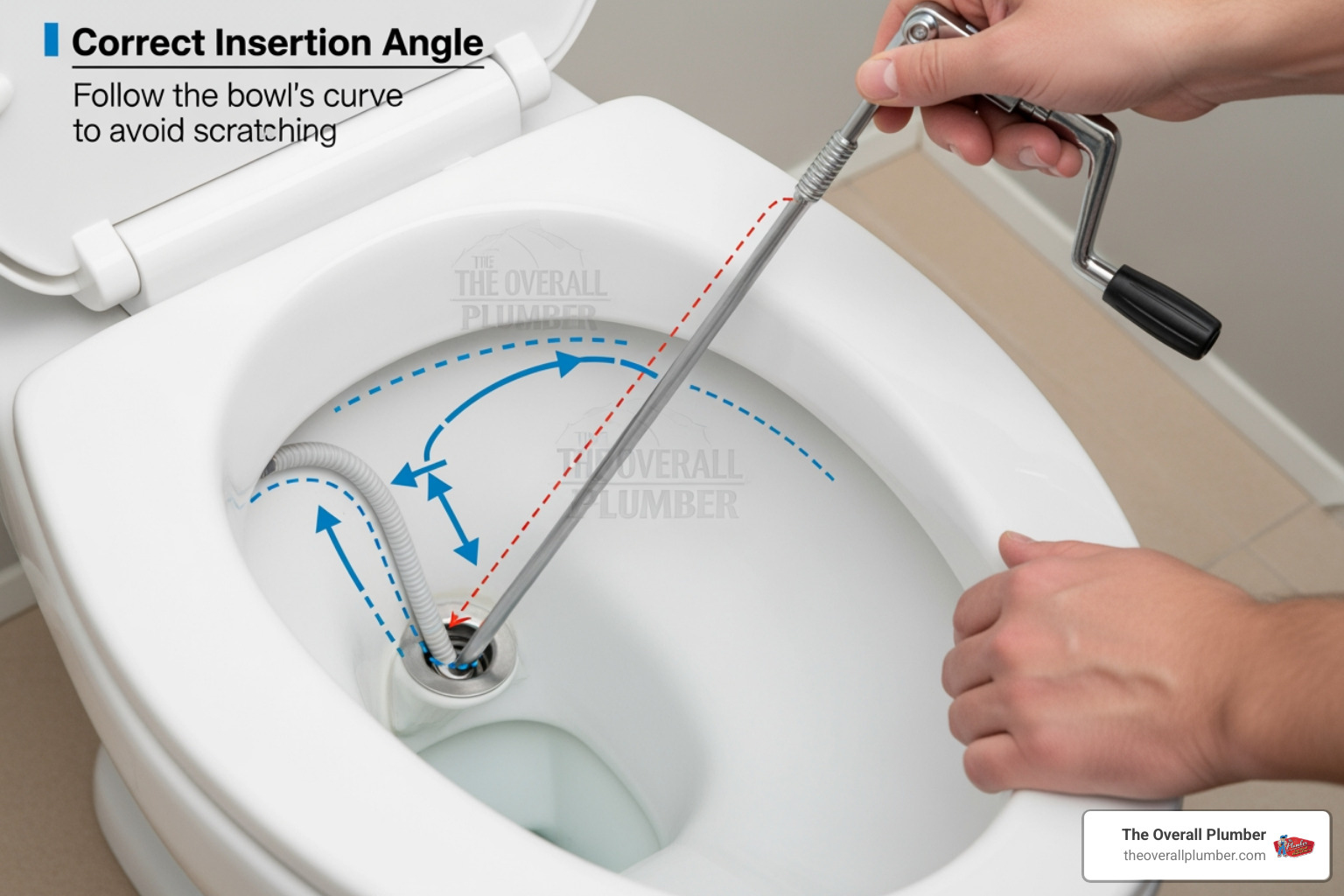
- Porcelain Protection: A true snake for unclogging toilet drains features a “boot” or a vinyl guard. This is a curved plastic or rubber sleeve at the bottom of the tube that rests against the porcelain. It ensures the metal cable doesn’t scratch or “gray” the beautiful finish of your bowl.
- Cable Thickness: Toilet auger cables are typically much thicker (often 1/2 inch) than sink snakes. This provides the “push” needed to break through heavy wads of paper or solid objects.
- Trap Navigation: Standard snakes are designed for straight pipes or P-traps. Toilets have a complex “S-trap” or “J-bend” built into the porcelain. A closet auger is pre-bent at the perfect angle to slide into that trap without getting stuck.
When to Choose a Snake for Unclogging Toilet Over a Plunger
We love plungers, but they have limits. Statistics show that approximately 40% of all toilet clogs require a tool more powerful than a plunger. You should reach for your snake for unclogging toilet if:
- The Plunger Failed: If you’ve spent 20–30 seconds of vigorous plunging and nothing has moved, the clog is likely too dense or too far down.
- Recurring Clogs: If your toilet clears but clogs again every few days, there is likely a partial blockage (like a toy or a mass of wipes) that the plunger is just moving around rather than removing.
- Deep Blockages: If the water level in the bowl doesn’t move at all when you plunge, the air pocket needed for plunging to work might be blocked by a deep obstruction.
With a DIY success rate of over 90%, the auger is your best bet for regaining control of your bathroom.
Choosing the Right Auger for Your Home
Not all snakes are created equal. When you head to the hardware store in Friendswood or Pasadena, you’ll see a few different options. Choosing the right one can be the difference between a five-minute fix and an hour of frustration.
Manual vs. Powered Models
For most residential needs, a manual hand-crank auger is sufficient. However, for those who want a bit more “oomph,” there are powered versions. You can read a deep dive on this in our guide: Electric vs Manual: Choosing the Best Heavy Duty Drain Auger.
| Feature | Manual Closet Auger | Powered/Drill Auger |
|---|---|---|
| Power Source | Your arm (Hand crank) | Electric motor or drill attachment |
| Best For | Standard paper/waste clogs | Heavy-duty clogs or frequent use |
| Cable Length | 3 to 6 feet | 15 to 20+ feet |
| Price | $20 – $50 | $75 – $150+ |
| Risk | Low risk of pipe damage | Higher risk if over-torqued |
Standard home toilets usually have about 2.5 feet of internal plumbing before they hit the main drain line. Therefore, a 3-foot cable is the industry standard for home use. If the clog is further than that, you might need a 6-foot “telescoping” auger or a professional Houston Auger Service.
Essential Features for Porcelain Protection
When shopping for a snake for unclogging toilet drains, look for the following “must-haves”:
- The Vinyl Guard: Ensure the “elbow” of the tool is covered in thick plastic or vinyl. This is the only part that should touch your toilet bowl.
- Inner Core Cable: Look for “compression-wrapped” cables. These have multiple layers of wire wrapped around a central core, making them kink-resistant.
- Ergonomic Handle: You’ll be doing a lot of cranking; a large, comfortable handle makes a big difference.
Step-by-Step Guide to Clearing Stubborn Clogs
Ready to get to work? Follow these steps to clear that clog like a pro. For a visual walkthrough, you can also check out this Step by Step Guide to How to Snake a Clogged Toilet – This Old House.
Preparing the Bathroom
Before you even touch the snake, you need to prep the “splash zone.”
- Safety Gear: Wear long rubber gloves. You’re going to be working with “black water,” and you want to keep your skin protected.
- Contain the Mess: Lay down old towels around the base of the toilet. If the water level is high, have a bucket nearby.
- Shut Off the Water: Find the silver valve behind the toilet and turn it clockwise. This prevents the toilet from accidentally overflowing if you trigger a flush while the line is still blocked.
- Ventilation: Open a window or turn on the exhaust fan.
Operating the Snake for Unclogging Toilet
Now, let’s get that snake for unclogging toilet into position.
- Retract the Cable: Pull the handle all the way up so the auger head is tucked against the vinyl guard.
- The Insertion: Place the curved “boot” of the auger into the bottom of the toilet bowl, pointing the tip up into the drain hole.
- The Crank: Hold the outer tube firmly with one hand. With the other, begin turning the crank handle clockwise while applying gentle downward pressure.
- Navigate the Bend: You will feel resistance as the cable hits the “S-curve.” Don’t force it! Keep cranking steadily, and the cable will eventually “walk” its way through the bend.
- Attack the Clog: When the cable stops advancing or becomes harder to turn, you’ve hit the clog. Continue cranking clockwise to “drill” into the obstruction.
- The Hook and Pull: Once you feel you’ve engaged the clog, gently push and pull the handle a few inches back and forth to break it up. If it’s a solid object (like a rag or a toy), you want to “hook” it so you can pull it out.
- Retract: Turn the handle counterclockwise while pulling the cable back into the housing.
- Test: Turn the water back on and give it a test flush. If the water swirls and disappears quickly, you’ve succeeded!
Maintenance and Avoiding Common DIY Mistakes
Even with a 90% success rate, things can go wrong if you aren’t careful. To ensure you Snake Your Way to Success with Auger Drain Cleaning, keep these tips in mind.
Common Mistakes to Avoid
- Forcing the Cable: If the snake hits a hard wall, stop. You might be hitting the side of the pipe or a solid object like a glass bottle or a metal toy. Forcing it can crack the porcelain or puncture a pipe.
- Over-Cranking: If you crank too fast or too hard without the cable advancing, the cable can “double back” on itself and kink inside the pipe.
- Using Chemicals First: Never use a snake for unclogging toilet if you have recently poured liquid drain cleaner into the bowl. Those chemicals are caustic and can splash back onto your skin or eyes during the snaking process. Plus, they rarely work on the types of solid clogs that require an auger anyway.
- Ignoring the Gurgle: If you snake the toilet and it clears, but your shower drain starts gurgling, you haven’t fixed the problem—you’ve just moved it further down the line.
Cleaning and Storage Tips
A snake for unclogging toilet is an investment. If you just toss it back in the garage wet, it will rust and become useless by next year.
- Rinse and Disinfect: After use, rinse the cable thoroughly (ideally outside with a hose). Spray it with a disinfectant cleaner to kill any bacteria.
- Dry Completely: This is the most important step. Wipe the cable down with an old rag and let it air dry completely before retracting it into the tube.
- Lubricate: Occasionally, wipe the cable with a light coat of machine oil or WD-40 to prevent corrosion.
- Inspect: Before each use, check the cable for kinks or fraying. A damaged cable is more likely to get stuck in your pipes.
When to Call a Professional for Stubborn Blockages
We love a good DIY victory, but sometimes the problem is bigger than a 3-foot hand tool can handle. If you live in Galveston or Harris County and your toilet is still acting up, it might be time for a Local Plumber Clogged Drain Service.
Signs of a Main Line Issue
If you notice any of the following, put down the snake and call us:
- Multiple Clogged Drains: If the toilet is backed up AND the kitchen sink is draining slowly, the clog is likely in the main sewer line.
- Sewage Backup: if you see raw sewage coming up through your shower or bathtub drain, that is a plumbing emergency.
- Gurgling Throughout the House: When one fixture affects another, it’s a sign of a deep-seated blockage. Our Galveston’s Guide to Professional Drain Snaking explains how these main line issues differ from simple toilet clogs.
Benefits of Professional Auger Services
When you call The Overall Plumber, you aren’t just getting a guy with a bigger snake. You’re getting:
- Camera Inspections: We can run a fiber-optic camera down your lines to see exactly what is causing the problem—whether it’s tree roots, a broken pipe, or a “flushable” wipe that isn’t so flushable. This is often part of our Main Drain Clogs: Why You Need a Priority Auger Service.
- Priority Scheduling: We know a clogged toilet can’t wait, which is why we offer priority service for our neighbors in Houston and Clear Lake.
- No Overtime Fees: We believe in fair pricing, even if your toilet decides to overflow on a Saturday night.
- Plumbing Protection Plans: We offer plans to help prevent these issues before they start, ensuring your home’s drainage system stays in top shape year-round.
Frequently Asked Questions
Will a toilet snake scratch my porcelain?
Not if you use a tool specifically designed for toilets. A proper snake for unclogging toilet drains has a vinyl or rubber guard that protects the bowl. However, if you use a standard drain snake with an exposed metal coil, or if you are extremely aggressive and “yank” the tool, you can leave gray marks or scratches. If you see gray marks, they can often be removed with a bit of pumice stone or specialized porcelain cleaner.
How much does a professional plumber cost for a simple clog?
In the Houston area, a standard service call for a simple clog typically ranges from $100 to $250. This price can double if it’s an emergency after-hours call. This is why owning a $30 closet auger and knowing how to use it is one of the best ways to save money as a homeowner!
Can I use a snake if I already poured chemicals down the drain?
We strongly advise against it. If the snake doesn’t clear the clog on the first try, you now have a cable covered in corrosive acid or lye. This is a major safety hazard for you and for any plumber you might call later. If you’ve already used chemicals, wait at least 24 hours and flush the bowl with plenty of water (if possible) before attempting to snake it. Better yet, call a professional and let them know exactly what chemicals were used so they can take proper safety precautions.
Need help with a stubborn clog? Contact The Overall Plumber today for professional Houston Auger Service, priority scheduling, and a 100% satisfaction guarantee. Or call us now at tel:+17135551234.