


Planning Your Santa Fe Plumbing Remodel: Codes, Permits, and Architecture
Transforming a kitchen or bathroom involves much more than picking out stylish tile and sleek countertops. A durable renovation requires careful planning of the hidden infrastructure that keeps your home functioning smoothly. In Santa Fe and surrounding communities across Galveston County, our local climate, soil conditions, and municipal regulations require a thoughtful approach to layout adjustments and system design.
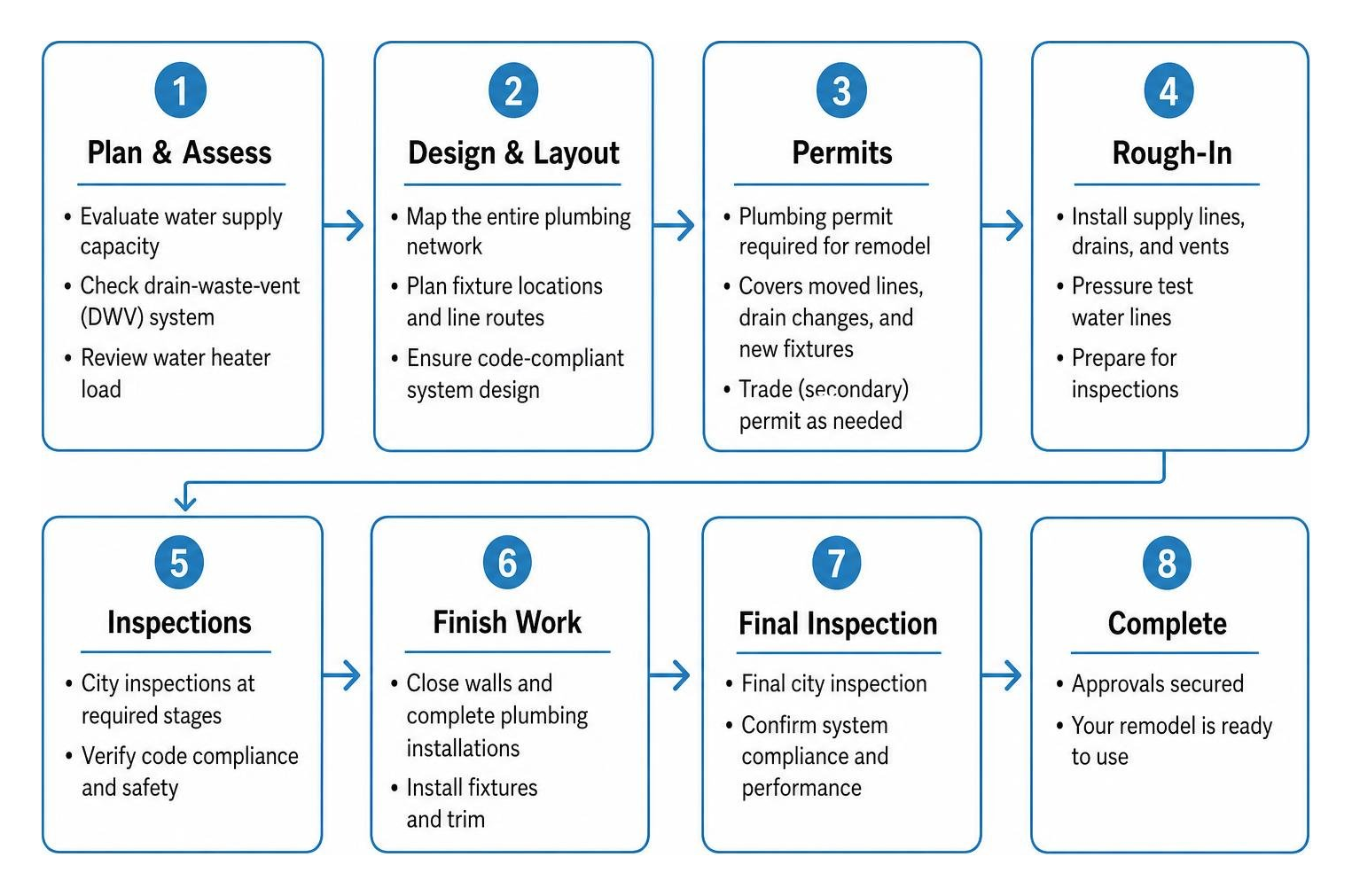
Before tearing out walls or purchasing high-end fixtures, it is essential to map out the entire plumbing network. We always recommend evaluating the main water supply capacity, the condition of the drain-waste-vent (DWV) system, and the overall load on your water heating equipment. By taking these factors into account early in the design phase, you prevent mid-project disruptions and ensure every new fixture performs at peak efficiency.
Navigating Permits and Inspection Regulations
Plumbing permits are vital for protecting both your family and your property value. In Santa Fe, standard remodeling work—such as moving supply lines, altering drain routes, or adding new fixtures—requires proper trade permits and structured inspections.
Municipal guidelines classify plumbing work to ensure that safety standards and national codes are met. Secondary permits specifically target plumbing modifications, including gas line extensions and DWV alterations. Standard permit fees typically range between $50 and $200, with dedicated inspection fees averaging $50 to $100 per stage.
A standard remodel requires multiple inspection milestones:
- Rough-In Inspection: Conducted while the wall cavities and subfloors are exposed, verifying pipe slope, venting, water supply sizing, and pressure testing.
- Top-Out / Gas Test: Required if gas lines are relocated or added for cooktops and water heaters.
- Final Inspection: Completed after all sinks, toilets, shower valves, and appliances are installed and operational to ensure code compliance and leak-free performance.
Addressing Structural and Foundation Challenges
Most homes in our region are built on concrete slab-on-grade foundations. While slabs provide a sturdy base against the shifting coastal soil of the Texas Gulf Coast, they introduce specific challenges when reconfiguring a plumbing layout.
Rerouting a toilet or moving a shower drain often requires saw-cutting concrete, excavating underlying soil, and tying into existing DWV infrastructure without compromising the slab’s structural integrity. During these renovations, older drain lines frequently reveal hidden settlement cracks or heavy scale accumulation. Addressing these issues before laying new flooring is critical, whether that involves clearing stubborn blockages or clearing stubborn drain lines using modern camera diagnostics and augers.
Pipe Materials and Infrastructure Modernization
The longevity of your remodel depends heavily on the materials running through your walls and beneath your floors. Many older properties in Santa Fe still rely on original plumbing systems that are nearing the end of their functional lifespan. Upgrading these networks during a renovation prevents devastating leaks from ruining brand-new cabinetry and flooring.
Connecting with community trade resources and local professionals ensures you select materials suited to regional water chemistry and environmental demands.
Evaluating Pipe Materials During a Santa Fe Plumbing Remodel
Homes built in different decades present unique plumbing profiles:
- Galvanized Steel (Pre-1970s): Highly susceptible to internal rust and mineral occlusion. This buildup restricts water volume, discolors water, and causes sudden structural failures at threaded joints.
- Cast Iron Drain Lines (Pre-1980s): Prone to bottom-channel rot, sewer gas leaks, and root intrusion caused by expansive local soils.
- Aging Copper (1970s–2000s): While naturally antimicrobial, older copper lines can develop pinhole leaks over time due to mineral friction and regional water chemistry.
If your home contains galvanized steel or deteriorating cast iron, spot repairs are often just temporary fixes. Investing in comprehensive whole-home repiping services during your remodel guarantees clean water delivery and reliable drainage for decades to come.
Comparing PEX Piping and Copper Systems
When modernizing your water supply system, cross-linked polyethylene (PEX) and traditional copper are the two primary choices. Both offer distinct benefits depending on your home’s layout and your personal preferences.
| Feature | PEX Piping (Type A / B) | Rigid Copper Piping (Type L / M) |
|---|---|---|
| Material Flexibility | Extremely flexible; snakes easily through framing | Rigid; requires cutting and soldering at every turn |
| Corrosion Resistance | 100% impervious to mineral scale and acidic water | Vulnerable to pinhole leaks from aggressive water chemistry |
| Freeze Resilience | Expands slightly under freezing conditions without bursting | Rigid walls split easily if water freezes inside |
| Installation Speed | Fast installation using manifold and crimp/expansion fittings | Labor-intensive soldering requiring open flames |
| Material Cost | Highly cost-effective | Higher raw material and labor expense |
| Lifespan | 40–50+ years | 50+ years under optimal water conditions |
PEX has become the modern standard for residential remodels due to its adaptability, resistance to corrosion, and seamless integration with dedicated manifold systems that balance water pressure across all fixtures.
Kitchen and Bathroom Transformation Strategies
A successful renovation balances stunning aesthetics with robust mechanical design. When planning a master suite upgrade or a gourmet kitchen overhaul, our comprehensive residential plumbing services ensure that your fixture layout operates smoothly behind the scenes.
Relocating Fixtures for Modern Kitchen and Bath Layouts
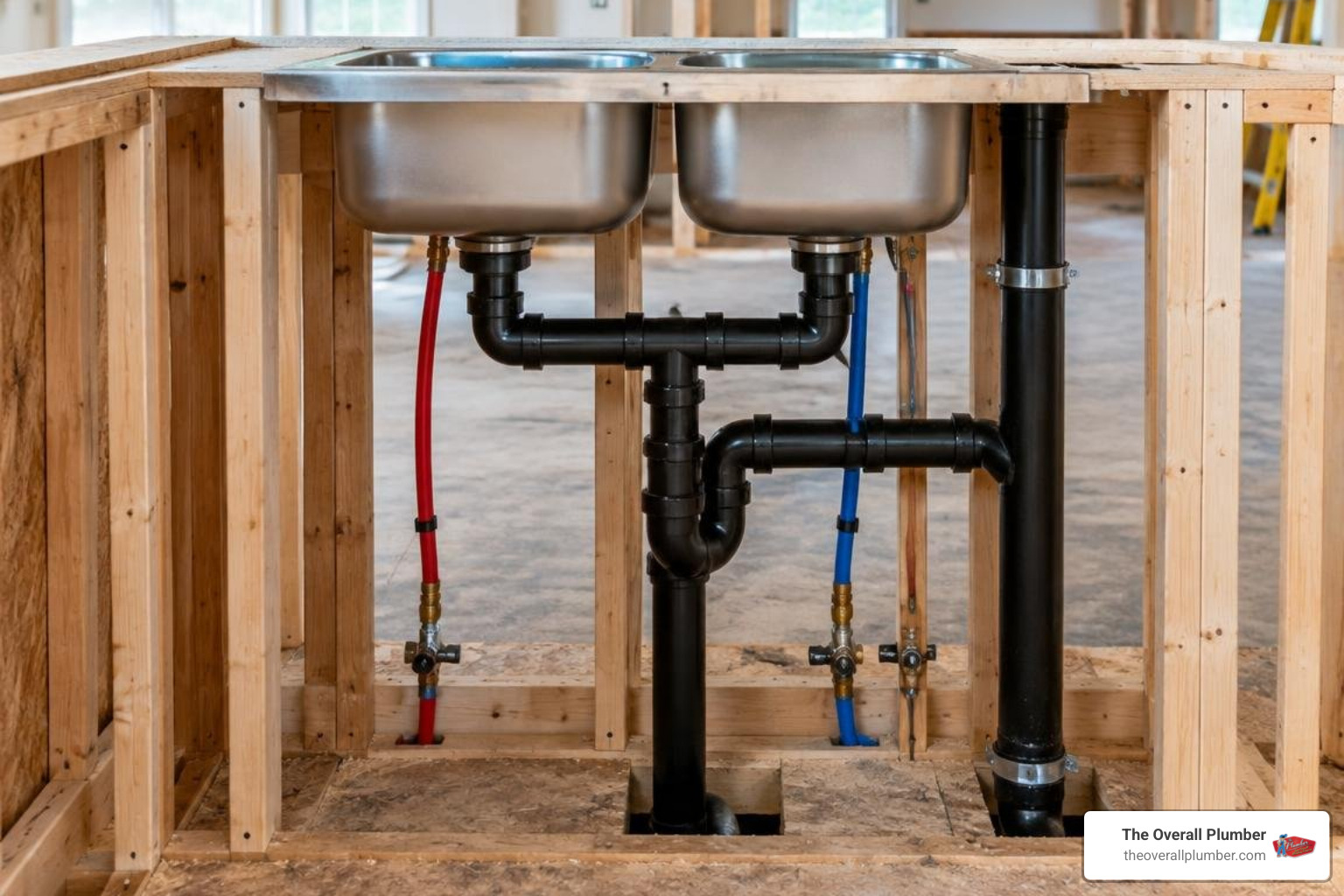
Modern open-concept living often calls for relocating sinks to center islands or expanding modest bathrooms into spa-like spaces. However, moving fixtures requires strict adherence to physical plumbing constraints:
- Drain Slope: Horizontal drain runs must maintain a consistent slope of 1/4-inch drop per linear foot to carry waste efficiently without clogging.
- Vent Routing: Every fixture requires proper atmospheric venting to protect the water seals inside P-traps, preventing sewer gases from entering your home. Island sinks often require specialized loop venting or code-approved air admittance valves.
- Fixture Placement: Upgrading to freestanding soaking tubs, walk-in dual-head showers, or wall-hung toilets requires precise framing adjustments and professional fixture installation to guarantee leak-free operation.
Water Quality, Efficiency, and Smart Plumbing Technology
Municipal and private well water supplies along the Gulf Coast frequently contain elevated concentrations of calcium and magnesium. This hard water leads to rapid scale accumulation on decorative matte-black or brushed-brass fixtures, clogs aerators, and shortens the lifespan of internal valve cartridges.
Integrating water quality and efficiency solutions directly into your remodel protects your investment:
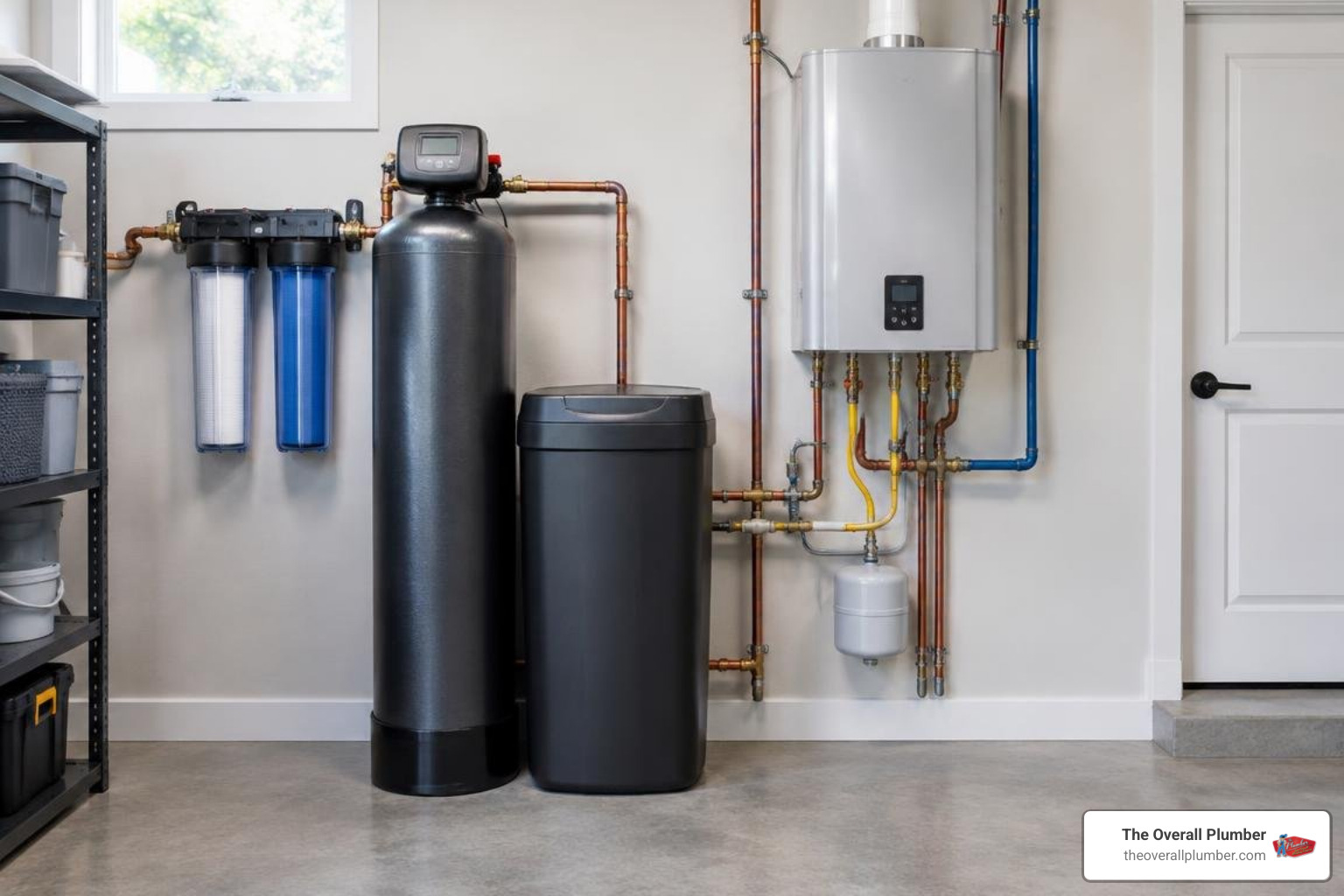
- Whole-House Water Softeners: Eliminate mineral scaling, protect your appliances, and keep tile and glass shower doors free of hard water spots.
- Smart Leak Detection Valves: Connected shutoff systems continuously monitor water flow and automatically close the main supply line if an unusual spike or hidden leak is detected.
- High-Efficiency Fixtures: Modern WaterSense-certified toilets and low-flow aerators reduce water consumption by 20% to 60% without sacrificing performance.
- On-Demand Hot Water: Pairing your remodel with a high-capacity tankless water heater upgrade provides endless hot water for oversized soaking tubs and multi-jet showers while freeing up valuable square footage.
Cost Factors, Timelines, and Project Execution
Managing costs and timelines requires understanding the distinct stages of a plumbing renovation. Surprises behind drywall can quickly derail budgets if realistic contingencies are not established early on.
Budgeting and Timelines for a Santa Fe Plumbing Remodel
Plumbing remodel expenses vary based on whether you are replacing fixtures in their current locations or completely reconfiguring the room’s footprint:
- Basic Fixture Replacement (In-Place): $2,000 to $5,000 for standard sink, faucet, toilet, and valve upgrades.
- Minor Reconfiguration: $5,000 to $10,000, involving small adjustments to water and drain lines within existing open wall cavities.
- Complete Layout Remodel / Slab Reroute: $10,000 to $25,000+, covering concrete trenching, whole-room repiping, high-end fixtures, and gas line extensions.
Project timelines generally follow this structured schedule:
- Planning & Design: 2 to 4 weeks to finalize layouts, select fixtures, and procure materials.
- Permit Approval: 1 to 3 weeks depending on municipal review queues.
- Demolition & Rough-In Plumbing: 2 to 5 days of active pipe installation, pressure testing, and municipal inspections.
- Drywall, Tile, & Finishes: 2 to 4 weeks managed by your general contractor.
- Finish Plumbing & Final Trim: 1 to 2 days to set fixtures, connect supply stops, test drainage, and perform final quality checks.
Best Practices for Working with Professional Plumbers
To keep your project running smoothly, prioritize open communication and clear technical documentation:
- Provide Fixture Specification Sheets Early: Supply your plumbing team with manufacturer cut sheets before framing and rough-in work begin. This ensures supply lines and drain rough-ins are placed at the exact heights and depths required.
- Insist on Licensed Trade Professionals: Verify that your plumbing contractor is fully licensed and insured to work in Santa Fe and Galveston County.
- Confirm Warranty Coverage: Work with contractors who stand behind their craftsmanship with clear warranties, priority scheduling, and straightforward pricing without hidden overtime charges.
Frequently Asked Questions About Santa Fe Remodeling Plumbing
Do I need a permit for moving plumbing fixtures in Santa Fe?
Yes. Whenever you alter the location of supply lines, modify the drain-waste-vent system, or add new fixtures, the City of Santa Fe requires a plumbing permit. This ensures that the work complies with standard plumbing codes, maintains proper drain slope, includes adequate venting, and passes official pressure tests.
How does hard water impact newly installed plumbing fixtures?
Hard water contains high levels of dissolved calcium and magnesium. Without whole-house filtration or water softening, these minerals precipitate out as hard scale inside faucet cartridges, shower heads, and water heater elements. Over time, this buildup restricts water flow, causes premature valve failures, and leaves persistent white mineral stains on custom finishes.
What is the most reliable piping material for home remodels?
PEX-A (cross-linked polyethylene) is widely considered the most versatile and durable piping material for modern residential renovations. It resists corrosion, handles temperature fluctuations without degrading, eliminates solder joints inside wall cavities, and installs efficiently via continuous flexible runs connected to central manifold distribution hubs.
Ready to get started on your renovation project? Call our team today to schedule a consultation and receive a detailed project estimate.