

Slow Drains: Why You Need a Satisfaction Guarantee
When a Slow Drain Becomes a Sewer Backup: What League City Homeowners Need to Know
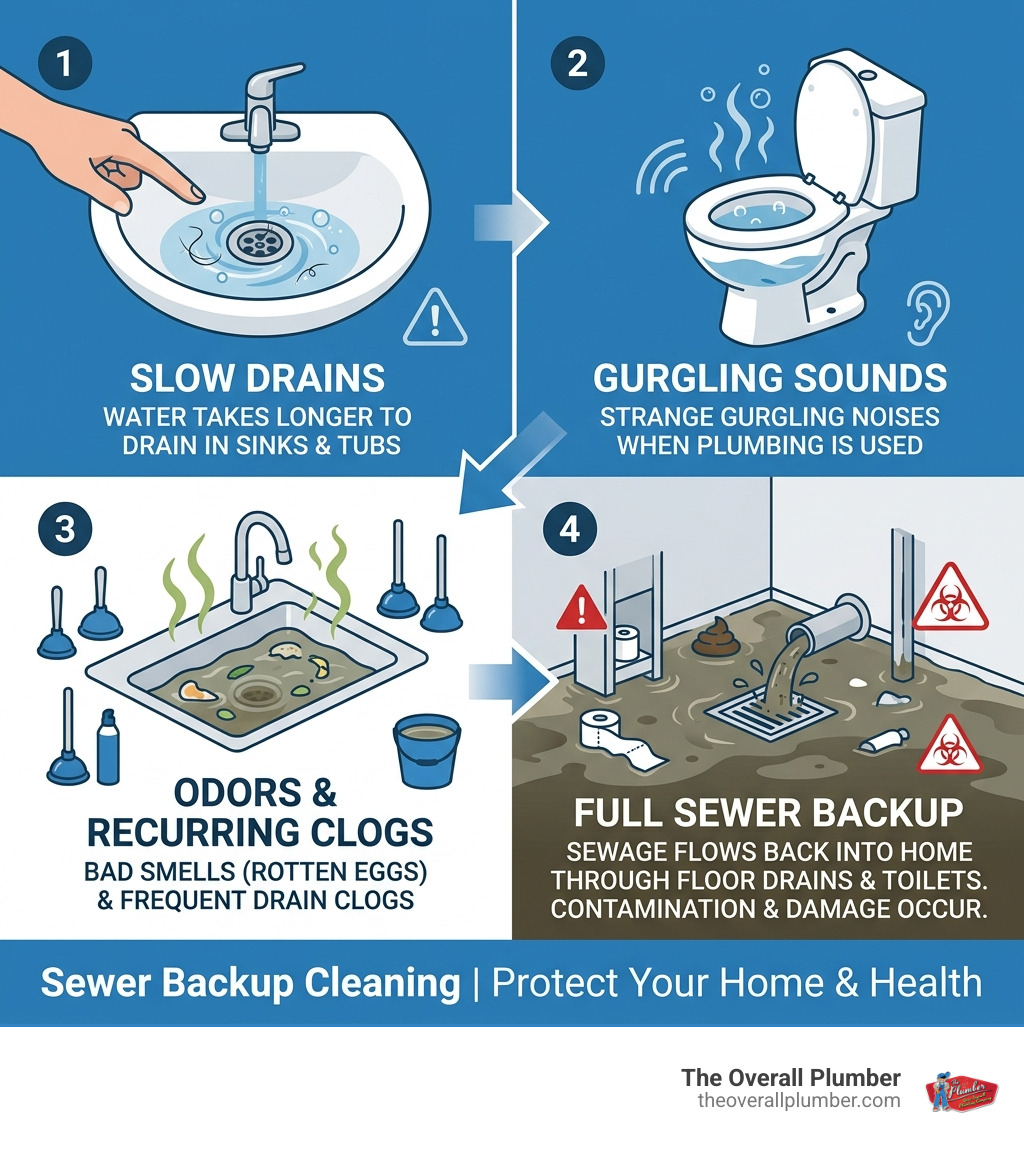
Sewer backup cleaning League City homeowners need is often more urgent than it looks — and a slow drain is frequently the first warning sign.
Here’s a quick overview of what to do if you’re dealing with a sewer backup right now:
- Stop using all plumbing — toilets, sinks, and showers
- Avoid the affected area — sewage contains serious health hazards
- Call a licensed plumber to diagnose whether it’s your private line or the city main
- Document the damage with photos before any cleanup begins
- Contact a professional cleanup service for safe disinfection and drying
A slow drain might seem like a minor annoyance. But left untreated, it can escalate into a full sewage backup — flooding your floors with contaminated water that carries bacteria, toxic gases, and pathogens like Hepatitis A and Salmonella. The longer it sits, the worse the damage gets.
The good news? Knowing what to look for — and who to call — makes all the difference.
I’m Dayton Whitworth, a second-generation plumber serving League City and the surrounding Gulf Coast communities, with hands-on experience handling everything from routine drain cleaning to emergency sewer backup cleaning in League City homes. In this guide, I’ll walk you through exactly what to do — step by step — so you can protect your home, your health, and your wallet.
Immediate Steps for Sewer Backup Cleaning League
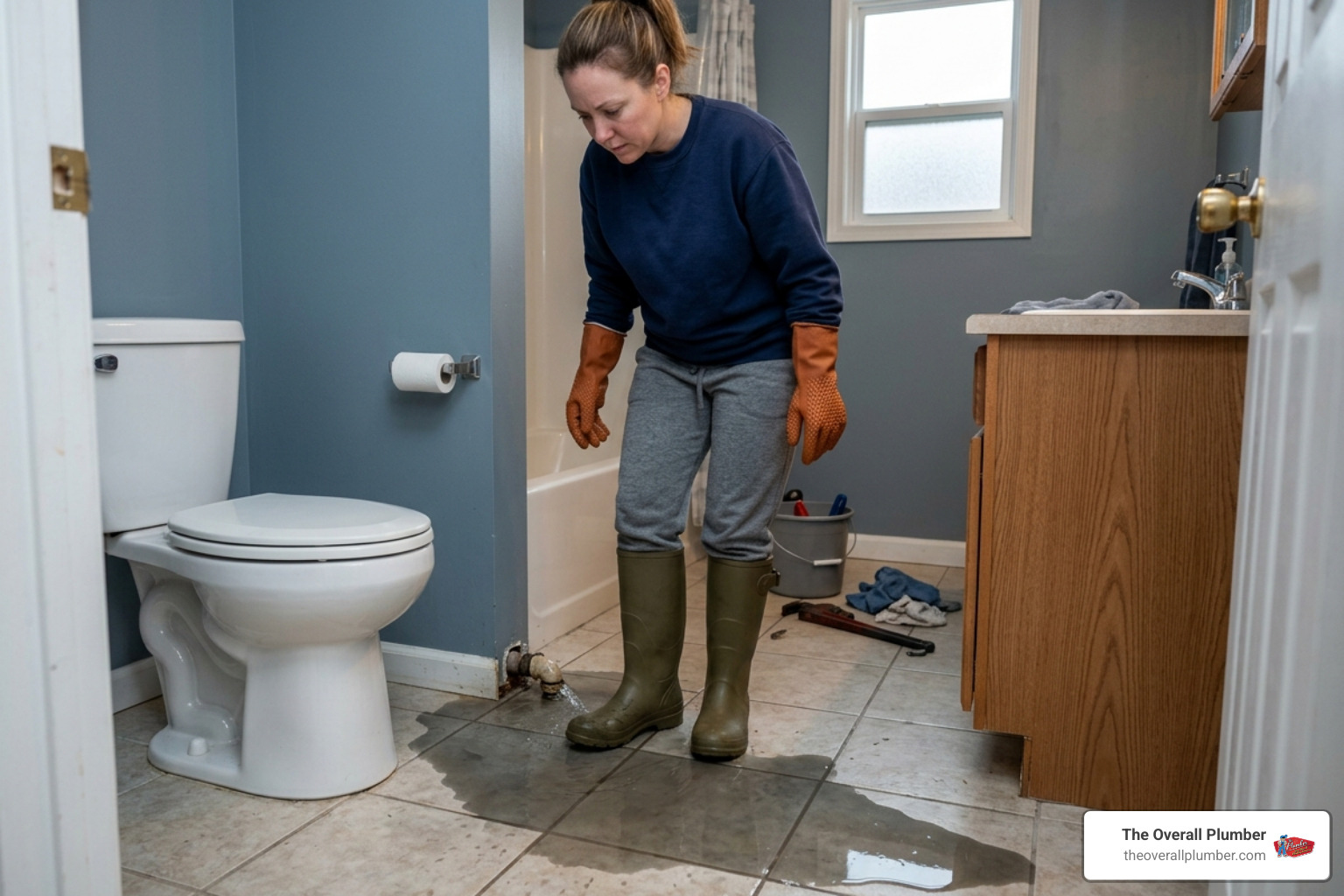
If you walk into your bathroom and find a dark, foul-smelling pool of water rising from the floor drain or toilet, your first instinct might be to grab a mop. Stop right there. Before you touch anything, you need to prioritize safety. Sewage isn’t just “dirty water”; it is a biohazard that requires a specific protocol to handle safely.
Safety First: Protective Gear and Hazards
First, put on protective gear. If you have rubber boots, put them on. Avoid any direct contact with the sewage. According to Handling A Sewer Backup: Village of Milo, you should wear a facemask and gloves if you must be near the area.
More importantly, check your surroundings for electrical hazards. If the water has reached electrical outlets or your circuit breaker is in a flooded area, do not enter the room. Water and electricity are a deadly combination. If you can safely reach your main electrical panel without stepping in water, shut off the power to the affected area.
Stop the Flow
Next, stop using all plumbing. This means no flushing toilets, no running the dishwasher, and no showers. If the clog is in your private line, every gallon of water you send down another drain will simply end up on your floor. We recommend calling 24 Hour Emergency Plumbers immediately to get a professional on the way. While you wait, shut off the main water line to the house to ensure no one accidentally runs a faucet.
Identifying the Source: Private Line vs. City Main
One of the most important questions we answer for League City residents is: “Is this my fault or the city’s?” Distinguishing between a clog in your private service line and a problem in the city’s main sewer line can save you a lot of money and headache.
- Private Service Line: This is the pipe that runs from your home to the city’s main line. Per many city ordinances, including those similar to the Sewer Backup protocols, the property owner is typically responsible for this line. If only one toilet is backing up, or if the backup only happens when you run your washing machine, the problem is likely in your private line.
- City Main Sewer Line: If water is backing up into your home even when you aren’t using any water, the city main might be blocked. Check with your neighbors—if they are experiencing the same issue, it’s a city-wide problem. In League City, you should contact the Department of Public Works to check the public lines. They will often do this free of charge to determine if the blockage is on their end.
Health Risks and Professional Disinfection Standards
We cannot stress this enough: sewage is dangerous. It’s not just the smell; it’s what you can’t see. Raw sewage can carry a cocktail of pathogens, including:
- Bacteria: E. coli and Salmonella.
- Viruses: Hepatitis A and Rotavirus.
- Parasites: Giardia and Cryptosporidium.
Exposure can occur through skin contact, accidental ingestion, or even by inhaling the “mists” created during a backup. These risks are why Cleanup Procedures After a Sewer Backup | Boston Water and Sewer Commission emphasize that everything touched by sewage should be considered contaminated.
If your home has been affected, you may need professional Water Restoration to ensure the environment is truly safe for your family.
DIY Cleaning vs. Professional Disinfection
While minor spills on hard surfaces can sometimes be handled by homeowners, major backups require professional-grade equipment.
| Feature | DIY Cleaning | Professional Disinfection |
|---|---|---|
| Equipment | Mops, buckets, household fans | Industrial air movers, HEPA scrubbers, wet-vacs |
| Chemicals | Household bleach | EPA-approved antimicrobial disinfectants |
| Testing | Visual check | Moisture meters and swab testing |
| Safety | High risk of cross-contamination | Controlled containment and PPE |
Surface-Specific Sewer Backup Cleaning League Protocols
The way you clean depends entirely on the surface. Here is how to handle different areas of your League City home:
- Hard Floors (Tile, Vinyl, Concrete): These are the easiest to salvage. After removing the standing water, scrub the area with a solution of one-quarter cup household bleach to one gallon of water. Some guidelines, like those from the Cleanup Procedures – Metropolitan Sewer District of Greater Cincinnati, suggest a stronger 1:10 disinfection ratio (one part bleach to ten parts water) for heavily contaminated areas. Let the solution sit for at least 20 minutes before rinsing.
- Carpets and Pads: In almost every case, carpet and padding that have been soaked in sewage must be removed and discarded. They are too porous to be fully disinfected, and the risk of mold growth is nearly 100%.
- Walls and Drywall: Drywall acts like a sponge. If sewage has wicked up into the walls, the affected sections (usually up to 12-24 inches above the water line) must be cut out and replaced.
- Upholstered Furniture: Much like carpet, upholstered furniture and mattresses should be discarded if they come into contact with raw sewage.
Advanced Tools for Lasting Sewer Solutions
When we arrive at a home for sewer backup cleaning League City residents trust, we don’t just “unclog” the pipe and leave. We want to make sure the problem doesn’t come back next week. To do that, we use advanced technology to see what’s actually happening underground.
Video Camera Sewer Line Inspection
Gone are the days of digging up the entire yard just to find a leak. We use a Video Camera Sewer Line Inspection to travel through your pipes. This high-definition camera gives us a real-time view of:
- Tree Root Intrusion: Roots love the moisture in sewer lines and can crack even heavy-duty pipes.
- Bellies in the Line: These are low spots where waste settles and eventually causes a clog.
- Collapsed Pipes: Common in older homes in the Galveston County area where clay or cast-iron pipes have reached the end of their lifespan.
Hydro-Jetting and Auger Services
For stubborn clogs, a simple plunger won’t cut it. Our Houston Auger Service can break through solid obstructions. If the line is filled with grease or scale buildup, we might recommend hydro-jetting. This uses high-pressure water (up to 4,000 PSI) to literally “power wash” the inside of your pipes, restoring them to like-new capacity.
If the pipe is actually broken, we often suggest trenchless repair. This allows us to Repair Broken Sewer Line Houston homes without destroying your landscaping. We can pull a new liner through the old pipe, creating a seamless, root-proof barrier.
Why a Satisfaction Guarantee Matters for Sewer Backup Cleaning League
Let’s be honest: nobody wants to pay for the same repair twice. If you hire a plumber who clears a clog but doesn’t find the cause, you’re just waiting for the next backup. This is why we offer a satisfaction guarantee.
A Local Plumber Clogged Drain Service with a guarantee means professional accountability. It means we stand behind our work, ensuring your long-term pipe health rather than just offering a “quick fix.” For League City homeowners, this provides peace of mind that their investment is protected.
Insurance, Documentation, and Prevention
Filing an insurance claim for sewer damage can be a “fun” adventure in paperwork. To make it easier, you need to document everything immediately.
- Take Photos: Before you start cleaning, take photos and videos of the standing water, the source of the backup, and any damaged property (furniture, electronics, etc.).
- Keep Receipts: If you hire professionals or buy cleaning supplies, keep every single receipt.
- The 45-Day Window: In many municipalities, if you intend to file a claim against a city agency for a backup, you must file a written notice within a specific timeframe—often 45 days from the discovery of the damage, as noted in the What to Do After a Sewer Backup | Portland.gov guidelines.
Preventing Future Backups
The best way to handle a sewer backup is to never have one in the first place. Here are our top tips for League City residents:
- FOG Management: Never pour Fats, Oils, or Grease (FOG) down the drain. They might be liquid when warm, but they solidify in your pipes, creating “fatbergs” that cause massive blockages. Proper use of Grease Traps and Garbage Disposals is essential.
- Watch What You Flush: The only things that should go down a toilet are human waste and toilet paper. “Flushable” wipes are rarely actually flushable—they don’t break down and are a leading cause of backups.
- Install a Back-Flow Valve: A backflow prevention device is a one-way valve that allows sewage to go out but prevents it from coming back in. Scheduling a Back-Flow Valve Plumbing Inspection can save your basement or ground floor from disaster during heavy Texas rains.
Frequently Asked Questions about League City Sewer Services
How much does drain cleaning cost in League City?
For basic residential clogs, professional drain cleaning pricing typically starts around $125 in the League City area. However, the final cost depends on the severity of the clog and the tools required. At The Overall Plumber, we believe in transparency, which is why we offer League City Texas Clogged Drain Service with flat-rate pricing and no overtime fees. You’ll know the cost before we start the work.
Are there rebates for backflow preventers in the area?
While programs vary by specific neighborhood and city limits, some municipal programs offer significant incentives for backflow prevention. For instance, some cities have programs that cover up to $1,500 of the installation cost (which typically averages around $1,600), leaving the resident to pay only a small deductible. While Sewer Backups | Livonia, MI is a specific example of this, we recommend checking with the League City or Galveston County utility departments for local “Backflow Prevention Program” eligibility.
How long does the drying process take after a backup?
It’s not enough to just mop up the water; you have to remove the moisture from the air and materials. Professional drying equipment, including industrial dehumidifiers and air movers, typically needs to operate continuously 24 hours a day for 2 to 3 days to achieve safe moisture levels. This prevents the growth of mold and mildew, which can start within 24-48 hours. Maintaining your Sewer Lines in Houston and surrounding areas requires this level of diligence to protect your home’s structural integrity.
Conclusion: Trust The Overall Plumber for Your Sewer Needs
A sewer backup is one of the most stressful things a homeowner can face. It’s messy, it’s smelly, and it’s a genuine health risk. But you don’t have to handle it alone.
At The Overall Plumber, we’ve built our reputation on being there when our neighbors need us most. Whether you’re in League City, Pearland, or Galveston, we bring the tools, the expertise, and the sewer backup cleaning League City residents rely on to get their lives back to normal.
Why choose us?
- Satisfaction Guarantees: We aren’t happy until your drains are flowing perfectly.
- No Trip Charges: We don’t charge you just for showing up.
- Priority Scheduling: We know a backup is an emergency, and we treat it like one.
- No Overtime Fees: Plumbing problems don’t stick to a 9-to-5 schedule, and neither do we.
If you’re seeing the warning signs of a slow drain or facing a full-blown backup, don’t wait for the damage to get worse. Contact Us today or call our Emergency Plumbing Services line. We’ll get your home clean, safe, and flowing again in no time.