

When Your Drains Are Trying to Tell You Something, Listen
Sewer pipe repair Houston homeowners need is not something to put off. A slow drain or gurgling toilet might seem minor. But in Houston, those small signs can point to a serious problem underneath your home or yard.
Here’s a quick overview of what you need to know:
| Topic | Key Facts |
|---|---|
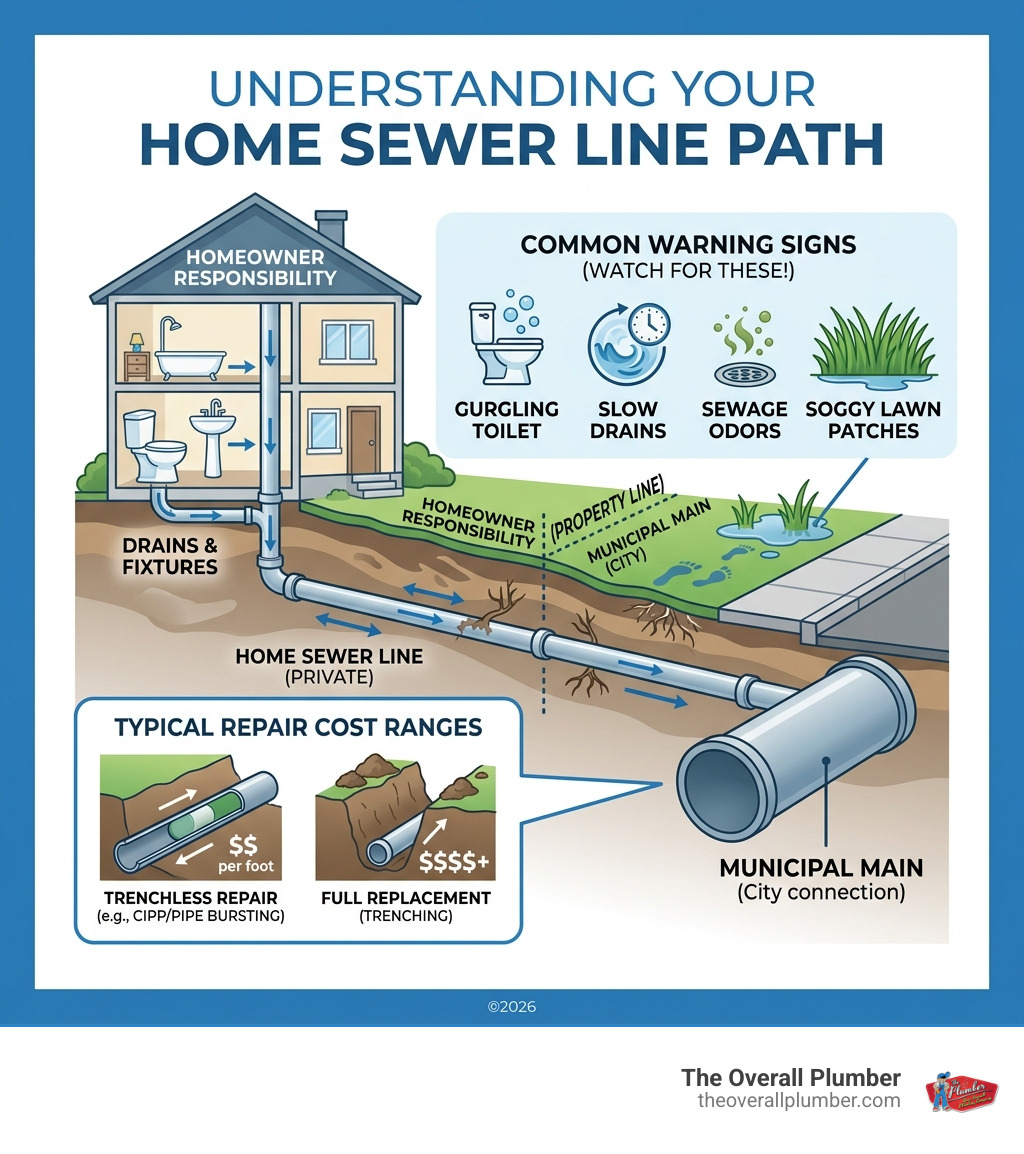
| Common signs | Slow drains, gurgling toilets, sewage odors, soggy lawn patches |
| Main causes | Clay soil shifting, tree roots, aging pipes, grease buildup |
| Repair methods | Trenchless (CIPP or pipe bursting) or traditional excavation/tunneling |
| Typical cost | $60-$250 per foot trenchless; $6,000-$25,000+ for full replacement |
| Who is responsible | Homeowner owns the private line from house to the city connection |
| First step | Schedule a sewer camera inspection |
Houston’s clay soil expands and contracts with every rain and dry spell. Its neighborhoods are full of aging pipes — many installed before the 1970s. And the city itself reports hundreds of sewer overflows every year. In short, the conditions here are hard on sewer systems.
Ignoring a sewer problem doesn’t make it smaller. It makes it more expensive.
I’m Dayton Whitworth, a second-generation plumber with roots in the Greater Houston area and hands-on experience delivering sewer pipe repair Houston homeowners can count on — from routine camera inspections to emergency line replacements. I’ll walk you through everything you need to know to protect your home and make a confident decision.
Recognizing the Signs of Sewer Line Damage in Houston
We often don’t think about our sewer lines until we’re standing ankle-deep in shower water. However, your home usually tries to warn you long before a total backup occurs. Recognizing these signs early can be the difference between a simple spot repair and a massive “open yard surgery” excavation.
Slow Drains and Gurgling Toilets
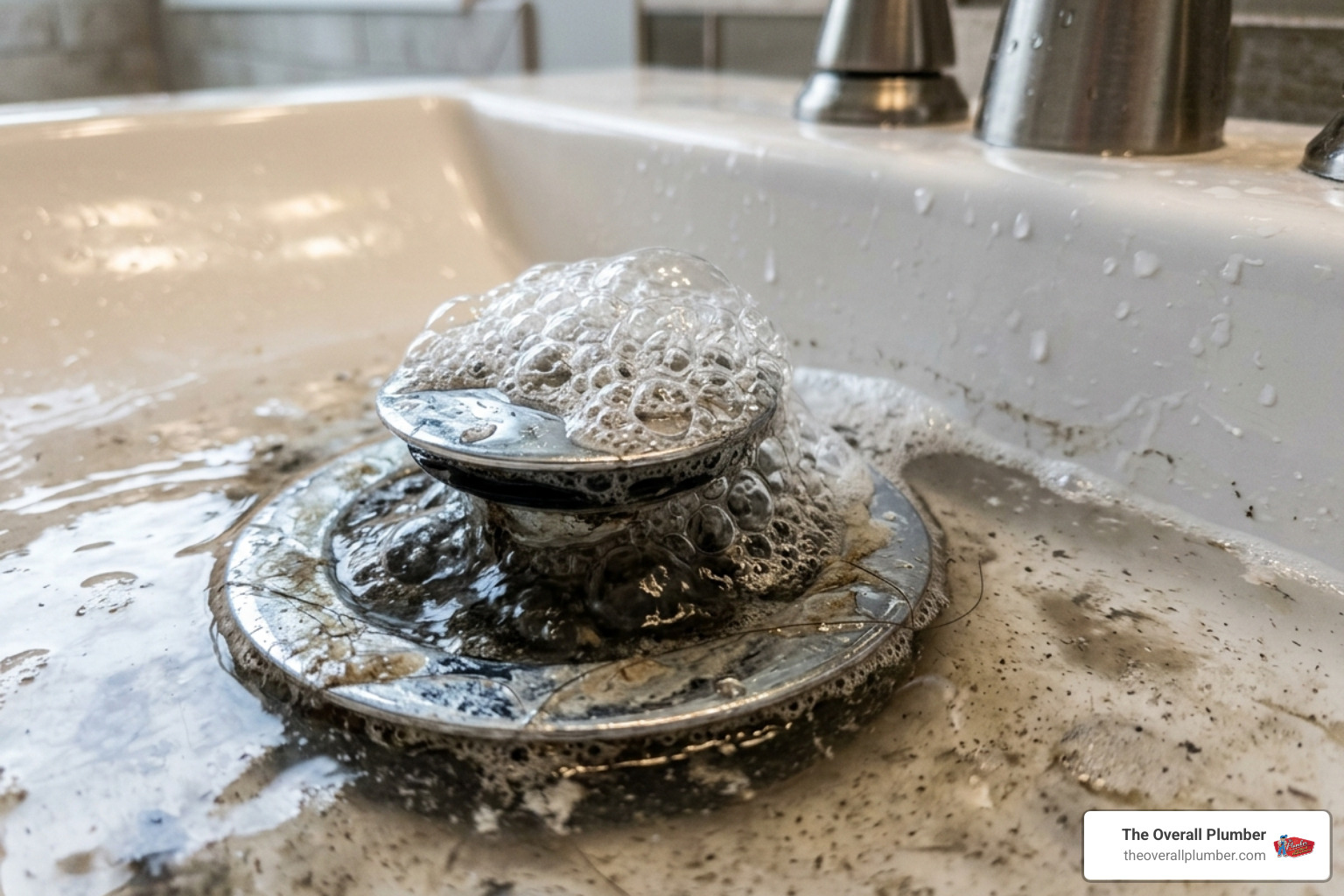
If one sink is slow, it’s probably just a localized clog. But if multiple fixtures—sinks, tubs, and toilets—are draining slowly or making strange gurgling noises, the problem is likely in your main sewer line. This happens because air is trapped in the line, forced back up through the traps as water struggles to pass a blockage.
Sewage Odors
A healthy plumbing system should be airtight. If you start smelling “rotten eggs” or raw sewage in your yard or, heaven forbid, your bathroom, you likely have a crack or a break in the line. In Houston’s humid climate, these odors can become unbearable quickly.
Lush Lawn Patches and Sunken Spots
Is one area of your grass looking suspiciously green and vibrant compared to the rest? While it looks nice, it’s often a sign that your sewer line is leaking. Sewage acts as a potent fertilizer. Conversely, if the leak is significant, the soil may become oversaturated, leading to sunken patches or “sinkholes” in your yard.
Foundation Cracks and Rodent Infestations
In the worst-case scenarios, a leaking sewer line under your home can wash away the soil supporting your slab. This leads to foundation cracks or settling. Furthermore, broken pipes are an open invitation for rats and cockroaches. If you have a sudden pest problem that won’t go away, it might be time for a Video Camera Sewer Line Inspection.
At the first sign of trouble, we recommend Local Leak Detection and Repairs Houston Plumber services to pinpoint the issue before it undermines your home’s structural integrity.
Why Houston Homes Face Unique Sewer Pipe Challenges
Houston isn’t just any city; it’s a geological “perfect storm” for plumbing. From the soil beneath our feet to the trees in our yards, several factors contribute to the high demand for sewer pipe repair Houston residents face.
The “Living” Clay Soil
Much of Houston sits on expansive clay soil. This soil acts like a sponge—it swells significantly when it rains and shrinks into hard, cracked blocks during our hot, dry summers. This constant “heaving” puts immense pressure on underground pipes. It’s common for pipes to “shear” (snap) or develop “bellies” (sags) where water and waste pool, eventually causing a blockage.
Tree Root Intrusion
We love our Live Oaks and Magnolias, but their roots love your sewer pipes even more. Roots are naturally drawn to the moisture and nutrients inside sewer lines. They can enter through tiny cracks or loose joints in older clay or cast iron pipes, eventually filling the pipe entirely and causing it to burst.
Aging Infrastructure and Material Fatigue
Many homes in older parts of Houston, like those in the Heights or Pasadena, still have Sewer Lines in Houston made of clay or cast iron. Clay pipes, common before the 1970s, are brittle and prone to cracking. Cast iron pipes, typical in pre-1980 homes, eventually corrode from the inside out due to hydrogen sulfide gas, leading to “channel rot” where the bottom of the pipe simply disappears.
Fats, Oils, and Grease (FOG)
According to Houston Public Works, 70% of sewer overflows in the city are caused by clogs from fats, oils, grease, and “flushable” wipes. When temperatures drop during Houston’s occasional cold snaps, this grease solidifies twice as fast, leading to massive blockages.
Homeowner vs. City Responsibility
It’s important to know where your responsibility ends. In Houston, the homeowner is responsible for the “private lateral” line—the pipe that runs from your house to the city’s main connection, often located near the curb or alley. If you suspect a problem, check your cleanout (the white pipe sticking out of the ground near your house). If it’s full of standing water, the clog is likely on your side. If you see sewage overflowing in the street, call 311 to report it to Houston Public Works.
Modern Methods for Sewer Pipe Repair Houston
The days of automatically digging up your entire driveway to fix a single pipe are over. We now have sophisticated ways to diagnose and fix issues with minimal mess.
| Method | Best For | Pros | Cons |
|---|---|---|---|
| Trenchless (CIPP) | Cracks, leaks, root intrusion | No digging, fast, 50-year life | Not for collapsed pipes |
| Pipe Bursting | Full replacement of old lines | Replaces pipe without a trench | Requires two access pits |
| Tunneling | Under-slab repairs | Saves your indoor flooring | Labor intensive |
| Excavation | Collapsed or bellied pipes | Permanent fix for slope issues | Disruptive to landscaping |
Before we recommend a fix, we often perform hydrostatic testing. This involves plugging the line and filling it with water to see if the level drops, which confirms the presence of a leak. This is a critical step in Repair Broken Sewer Line Houston projects to ensure we aren’t just guessing.
When we do replace sections of pipe, we use modern Schedule 40 PVC. Unlike old clay or cast iron, PVC is flexible enough to handle some soil movement and is completely resistant to corrosion and root intrusion. For more on this, check out our guide on Broken Pipe Repair.
The Benefits of Trenchless Sewer Pipe Repair Houston
Trenchless technology is a game-changer for sewer pipe repair Houston property owners. There are two main types:
- Cured-In-Place Pipe (CIPP): We pull an epoxy-resin-saturated liner through your existing pipe. Once in place, we inflate a bladder and use steam or hot water to “cure” the resin. In just a few hours, you have a brand-new, seamless pipe inside the old one. It reduces the diameter by only about a quarter inch, which doesn’t affect flow.
- Pipe Bursting: We pull a heavy-duty “bursting head” through the old pipe. This head breaks the old pipe apart while simultaneously pulling a new HDPE (High-Density Polyethylene) pipe into its place.
The biggest benefit? Your landscaping, driveway, and sidewalks remain intact. Plus, these new pipes are rated to last at least 50 years.
When Traditional Excavation and Tunneling are Necessary
As much as we love trenchless methods, they aren’t magic. If your pipe has completely collapsed or has a severe “belly” due to soil erosion, a liner won’t fix the slope. To ensure waste flows downhill, we have to physically reposition the pipe.
In Houston, we often use under-slab tunneling. If the leak is under your house, we dig a tunnel from the outside to get under the foundation. This allows us to perform a South Houston Texas Repiping Service without jackhammering through your beautiful hardwood or tile floors. Once the repair is done, we use “flowable fill” or compaction to ensure your foundation remains supported.
For older homes with systemic failures, Repiping Houston Homes is often the most cost-effective long-term solution, as it prevents the “patchwork” cycle of fixing one leak only for another to appear six months later.
Understanding the Cost of Sewer Pipe Repair Houston
Let’s talk numbers. No one likes a surprise bill, especially when it involves sewage. The cost of sewer pipe repair Houston varies wildly based on the depth of the pipe and the method used.
- Sewer Camera Inspection: Usually ranges from $125 to $300. This is the best money you’ll spend because it removes the guesswork.
- Drain Cleaning/Auger Service: Starts around $150.
- Trenchless Repair: Typically costs between $60 and $250 per linear foot. For a standard 100-foot line, you might look at $3,000 to $15,000.
- Traditional Replacement: Can range from $6,000 to $25,000+. The high end usually involves deep digging (some Houston lines are 20 feet deep!) or extensive concrete removal and restoration.
If you’re dealing with a stubborn clog, our Local Plumber Clogged Drain Service can help determine if it’s a simple blockage or a structural pipe failure.
Factors Influencing the Cost of Sewer Pipe Repair Houston
Several factors will drive your estimate up or down:
- Depth: The deeper we have to dig, the more shoring and labor are required to keep our technicians safe.
- Pipe Material: PVC is generally more affordable and easier to work with than specialty trenchless liners.
- Surface Restoration: If we have to cut through a stamped concrete driveway or remove a mature oak tree, the restoration costs can exceed the plumbing costs.
- Permits: Most major sewer work requires a city permit and an inspection to ensure everything is up to code.
Does insurance cover this? Most standard homeowners insurance policies do not cover sewer lines due to “wear and tear.” However, if you have a “Service Line Endorsement” or if the damage was caused by a sudden, covered peril, you might be in luck. Always keep our Emergency Plumber Phone Number handy so we can provide the documentation your adjuster will need.
Preventing Future Sewer Disasters
The best sewer repair is the one you never have to do. Maintenance is key to extending the life of your plumbing.
- Hydro Jetting: Think of this as a “pressure wash” for your pipes. It uses 4,000 PSI of water to scour away grease, scale, and small tree roots. It’s far more effective than a simple drain snake.
- BioSmart™ Treatments: We recommend natural bacterial treatments that “eat” organic waste like hair and grease without damaging your pipes like harsh chemical cleaners do.
- The 3 Ps: Only flush Pee, Poo, and (Toilet) Paper. Even if a wipe says “flushable,” it isn’t. It doesn’t break down and will eventually snag on a pipe joint.
- Grease Management: Never pour cooking oil down the sink. Scrape your plates into the trash. In Houston, our South Houston Texas Clogged Drain Service sees a massive spike in grease clogs every Thanksgiving and Christmas.
- Regular Inspections: If you live in a home built before 1980, a Houston Auger Service or camera check every few years can catch root intrusion before it snaps the pipe.
Frequently Asked Questions about Houston Sewer Repair
Does homeowners insurance cover a broken sewer line?
Usually, no. Standard policies view sewer failure as a maintenance issue. However, many Houstonians are now adding “Service Line Coverage” to their policies for a small annual fee, which can cover up to $10,000 in repairs. Check your declarations page!
How long does a full sewer line replacement take?
A standard residential replacement typically takes 2 to 5 days. Trenchless repairs are often faster, sometimes completed in a single day. We always aim to have your water and toilets back in service by the evening, even if the project isn’t fully finished.
What is the difference between a public and private sewer line?
The private line (lateral) is the portion of the pipe on your property that connects your home to the city’s main. You are responsible for its maintenance and repair. The public line is the large main usually running under the street, maintained by the City of Houston.
Conclusion
A sewer problem is stressful, but it doesn’t have to be a disaster. At The Overall Plumber, we’ve seen it all—from the shifting clays of Clear Lake to the aging cast iron of Galveston and Pasadena. We provide expert sewer pipe repair Houston families have trusted for years.
We believe in doing the job right the first time. That’s why we offer satisfaction guarantees, priority scheduling, and no overtime fees. Whether you need a simple camera inspection or a full under-slab tunnel repair, we provide transparent pricing with no trip charges.
Don’t let a small leak turn into a foundation-cracking catastrophe. If you’re smelling odors or seeing slow drains, call our 24 Hour Emergency Plumbers today. We’re ready to help you Repair Broken Sewer Line Houston and get your life back to normal.