

Backflow Valves: Terms Demystified
Why Back Flow Valves Matter for Every Homeowner
Back flow valves are devices that stop water from flowing the wrong way in your plumbing system. Here’s a quick breakdown of what you need to know:
- Backflow preventer – protects your clean drinking water from contamination by stopping polluted water from reversing into your supply line
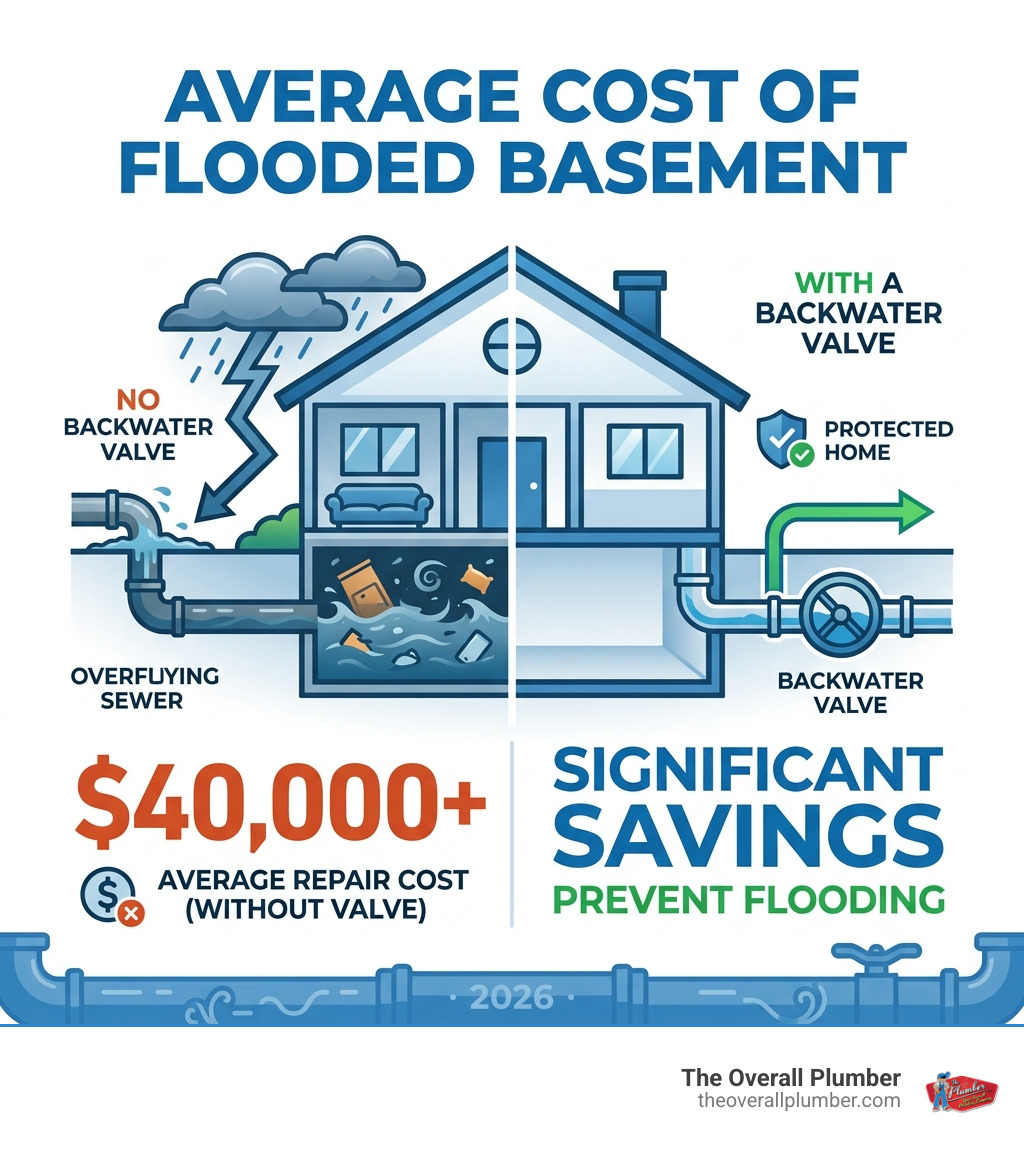
- Backwater valve – protects your home from raw sewage backing up through floor drains, toilets, and showers during heavy rain or sewer overloads
- Who needs them – any home with an irrigation system, basement drains, fire sprinkler connections, or older sewer infrastructure
- Key risk – without them, contaminated water or raw sewage can silently enter your home’s water supply or living spaces
These two devices sound similar but solve very different problems. Mixing them up can leave your home exposed to serious health and property risks.
Contamination doesn’t always look dramatic. It can happen quietly during a water main burst, a heavy rainstorm, or a sudden pressure drop in your supply line. By the time you notice something is wrong, the damage may already be done.
I’m Dayton Whitworth, a second-generation plumber serving Houston and the Gulf Coast, and back flow valves are one of the most misunderstood — yet critical — components I inspect on residential properties across Greater Brazoria and Galveston Counties. In the sections ahead, I’ll walk you through everything you need to know to protect your home.
Understanding Backflow Valves: Preventers vs. Backwater Valves
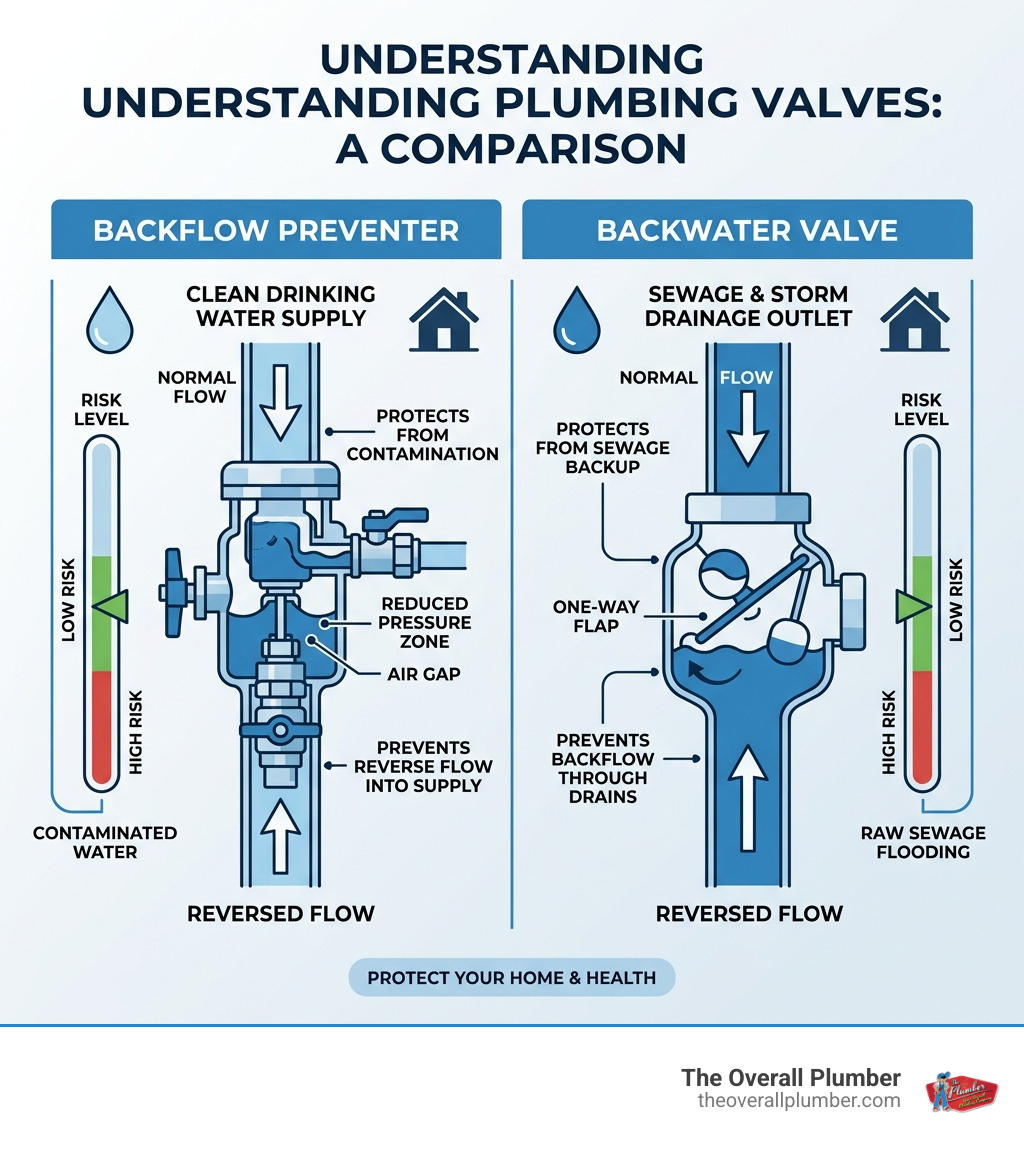
In plumbing, the terms “backflow” and “backwater” are often used interchangeably by homeowners, but as we move through 2026, it is more important than ever to understand the distinction. A Backwater valve is a specific type of device designed to prevent outbound water—specifically sewage and storm runoff—from re-entering your home through the drain pipes.
Imagine a heavy April downpour in Pearland or League City. When the municipal sewer lines become overwhelmed by excessive precipitation, the pressure can force raw sewage backward. Without a backwater valve, that “black water” finds the lowest exit point in your home, which is usually a basement floor drain, a shower stall, or a toilet. The valve uses a simple but effective one-way flap. Under normal conditions, gravity keeps the flap open or allows waste to push it open as it exits the home. However, if water begins to flow back toward the house, floats on the flap lift it up, sealing the pipe and keeping the mess outside where it belongs.
On the other hand, a backflow preventer is all about freshwater protection. Its job is to ensure that the potable (drinking) water coming into your home from the city main doesn’t get contaminated by “cross-connections.” These are points where your clean water meets something non-potable, like the chemicals in your lawn irrigation system or the stagnant water in a fire sprinkler line. According to Backwater valves – Canada.ca , while the focus is often on flood prevention, the health implications of failed backflow systems are equally significant, as standing water and sewage promote the growth of dangerous viruses and bacteria.
Mechanical Differences in Backflow Valves
Mechanically, these two types of back flow valves operate on different principles. A backwater valve is relatively simple, relying on a swinging gate or flap and the buoyancy of floats.
Backflow preventers for potable water are much more complex. They often utilize a series of check valves—spring-loaded barriers that only open when water pressure is moving in the correct direction. More advanced versions, like the Reduced Pressure Zone (RPZ) assembly, include a relief valve. If the device senses a pressure differential that could cause backflow, the relief valve opens and physically dumps the potentially contaminated water out of the system onto the ground rather than letting it move backward into the clean supply. This creates a “functional air gap,” which is the gold standard for safety.
Why Backflow Prevention is Critical for Potable Water
The science of Backflow involves two primary culprits: backsiphonage and backpressure. Understanding these is key to realizing why the city of Houston and surrounding municipalities have such strict codes regarding these devices.
- Backsiphonage: This occurs when there is a sudden drop in pressure in the city water main. This could be caused by a water main burst down the street or fire department crews opening several hydrants to fight a nearby blaze. This drop in pressure creates a vacuum effect, literally sucking water backward from your home’s internal plumbing—including your garden hose sitting in a bucket of soapy car-wash water or your pesticide-filled irrigation lines—back into the public drinking supply.
- Backpressure: This happens when the pressure inside your home’s system becomes higher than the city’s supply pressure. This is common in buildings with large boilers, high-pressure pumps, or elevated tanks. If your system is pumping at 80 PSI and the city main drops to 50 PSI, your “used” water will push its way back into the clean lines.
Without functional back flow valves, these events can lead to chemical contamination or the spread of waterborne diseases. This isn’t just a theoretical risk; it is a public health priority that requires mechanical reliability. Because these valves have moving parts like springs, rubber seals, and diaphragms, they are prone to wear and tear, which is why annual testing is a legal requirement in many parts of Texas.
Common Types of Backflow Preventers and How They Work
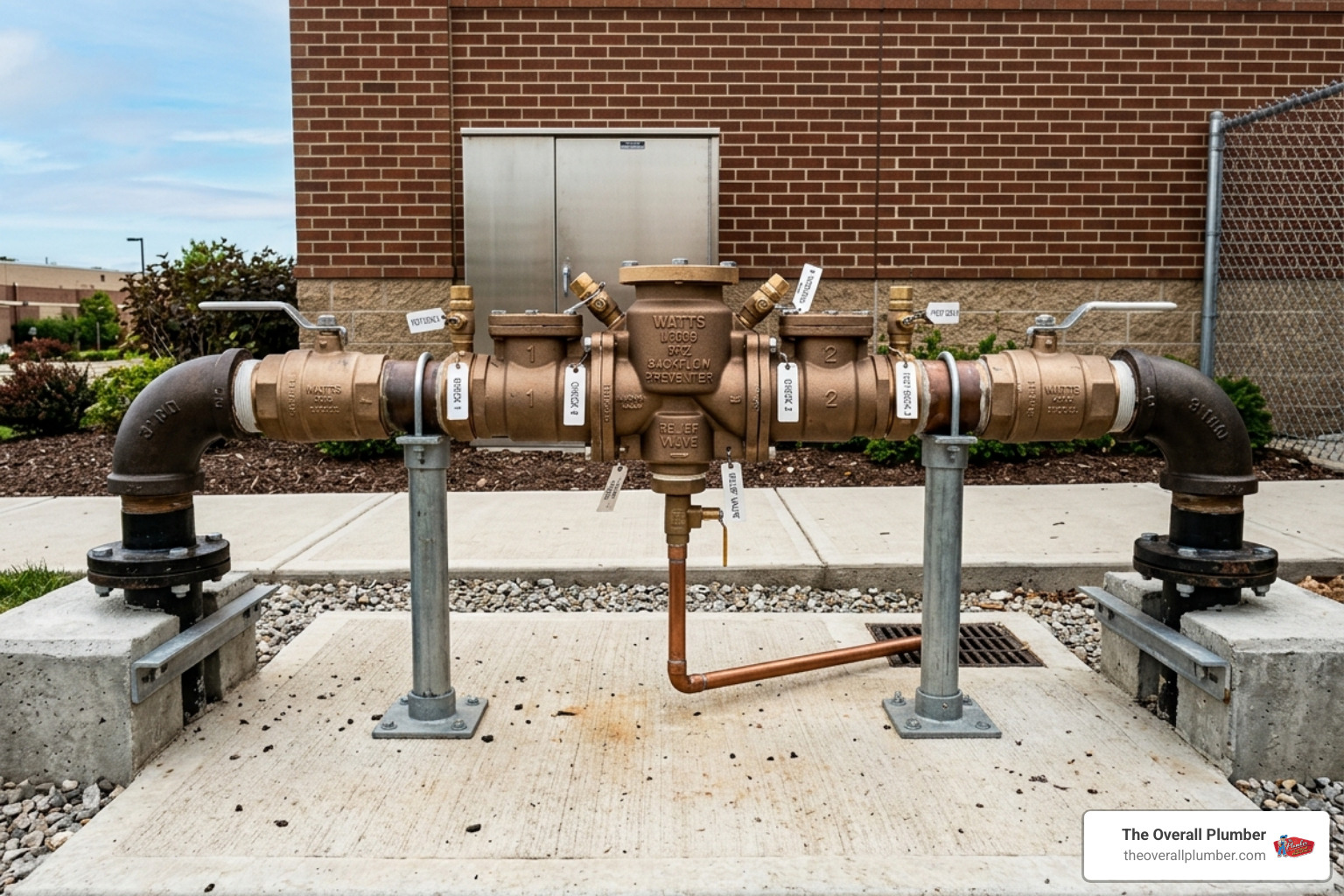
Depending on the level of risk at your property, we may install one of several different types of Backflow Preventers . Here are the most common assemblies we see in the field:
- Reduced Pressure Zone (RPZ) Assembly: These are the “big guns” of backflow prevention. They consist of two independent check valves with a pressure-monitored relief valve between them. They are used for “high-hazard” applications where the backflow could actually be toxic.
- Double Check Valve Assembly (DCVA): These feature two check valves in a row. They are reliable for “low-hazard” situations where backflow might be a nuisance (like tasting a bit of minerals) but isn’t necessarily life-threatening.
- Pressure Vacuum Breaker (PVB): Commonly found on residential irrigation systems, these use a spring-loaded air inlet valve that opens to break the vacuum if siphonage starts to occur.
- Atmospheric Vacuum Breaker (AVB): The simplest mechanical preventer, often found on hose bibbs or older sprinkler zones. They must be installed downstream of any shut-off valves to work correctly.
| Device Type | Hazard Level | Protects Against Backpressure? | Protects Against Backsiphonage? |
|---|---|---|---|
| Air Gap | High | Yes | Yes |
| RPZ Assembly | High | Yes | Yes |
| Double Check | Low | Yes | Yes |
| PVB | High/Low | No | Yes |
| AVB | High/Low | No | Yes |
Applications for Backflow Valves in 2026
As of April 2026, the technology inside these valves has advanced significantly. We are now seeing smart sensors integrated into many commercial and high-end residential units. These sensors can detect if a valve is leaking, if the temperature is approaching the freezing point, or if a relief valve is discharging an unusual amount of water.
In our service areas like Santa Fe and Texas City, we primarily install these valves for:
- Irrigation Systems: To keep fertilizers and lawn chemicals out of your kitchen tap.
- Fire Sprinkler Lines: To prevent stagnant, rusty water from re-entering the potable supply.
- Residential Hose Bibbs: Simple screw-on preventers that stop “back-siphoning” from garden hoses.
- Commercial Boilers: Protecting the city main from high-pressure, treated heating water.
Installation, Costs, and Maintenance Requirements
Whether you are looking for Backflow Repair and Installation Clear Lake (888) 720-1645 WI … or a new setup in Galveston, the installation process is a major undertaking. For new construction, the cost is relatively low—around $500—because the plumbing is easily accessible. However, retrofitting a valve into an existing home is a different story.
A Back Flow Valve Plumbing Inspection is the first step. We have to determine the best location for the valve, which often requires cutting into the concrete foundation or excavating the yard near the water meter. This is why it’s vital to hire licensed professionals who understand local soil conditions and plumbing codes in Harris and Galveston Counties.
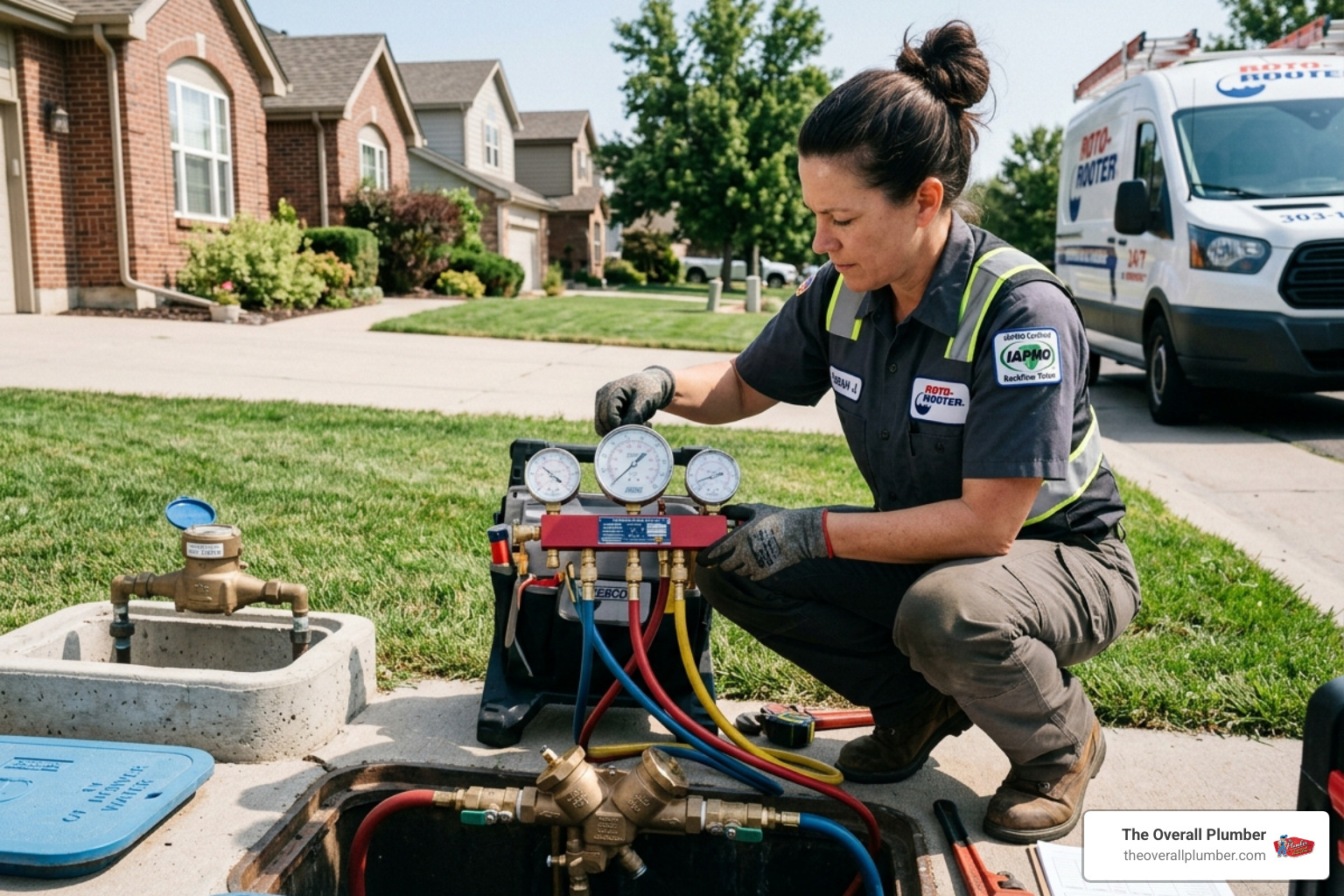
Maintenance isn’t just a good idea; it’s often the law. Because these devices have internal seals that can perish or springs that can lose tension, they must be tested annually by a certified backflow tester. During this test, we use specialized gauges to ensure the check valves are holding the required pressure and the relief valves are tripping at the correct points.
Average Costs for Backflow Valves
Based on current 2026 market data, here is what homeowners can expect regarding the financial side of back flow valves:
- Retrofit Installation: $2,000 to $5,000. This higher price reflects the labor involved in cutting foundations, rerouting pipes, and restoring the site.
- New Construction Installation: Approximately $500.
- Annual Testing: Typically ranges from $75 to $150 depending on the size and location of the unit.
- Repair Kits: If a unit fails its test, a repair kit (containing new rubber seals and springs) can cost between $50 and $250.
- Material Choice: We strongly recommend bronze or stainless steel for potable water applications. While plastic options exist for some sewage applications, they don’t offer the same longevity under pressure.
Regulatory Compliance and Homeowner Responsibilities
In cities like La Porte and Pasadena, Cross Connection | Metering Backflow Prevention City of La Porte … programs are strictly enforced. The EPA mandates that all public water systems protect their distribution lines from contamination. As a homeowner, you are responsible for the “private” side of the water meter.
If you fail to have your backflow preventer tested annually, the city may issue fines or even terminate your water service to protect the rest of the neighborhood. Additionally, many insurance companies now ask about backwater valves and backflow preventers. Having these installed can sometimes lead to lower premiums, while lacking them might result in a denied claim if your basement floods with sewage.
In our coastal Texas climate, freeze protection is another major responsibility. Even though we don’t get the harsh winters of the north, a single night below freezing can crack a bronze valve body, leading to a massive leak. We recommend insulated “hot box” enclosures or heat tape for any valves installed above ground.
Frequently Asked Questions about Backflow Valves
How can I tell if my property has a backflow preventer installed?
Most residential backflow preventers are located near the water meter or the main shut-off valve for the house. If you have an irrigation system, look for a brass device sticking out of the ground near the control box. For backwater valves (sewage), look in your basement or crawlspace for a 10×14 inch access cover on the floor, usually near the front of the house where the main drain exits to the street. You can also check your home inspection report from when you purchased the property.
What are the risks of failing to maintain a backflow valve?
The risks are both financial and physical. Beyond the potential for hefty municipal fines and water shut-offs, a failing valve provides a false sense of security. If the internal flap of a backwater valve is stuck open by debris (like “flushable” wipes), it won’t stop sewage from entering your home during a flood. If a backflow preventer’s check valves are leaking, you could be drinking water contaminated with lawn chemicals or bacteria without even knowing it.
Do backflow valves protect against freezing?
Standard valves do not have “built-in” freeze protection that prevents the metal from cracking. However, some models feature internal relief valves that can handle some expansion. The best protection is a combination of an insulated enclosure and proper winterization—draining the water out of the device before the first freeze hits.
Protect Your Property with Professional Inspection
Contact our certified specialists for an inspection or repair at (888) 720-1645.