


The Best Waterproof Borescope Cameras for Your Next Plumbing Adventure
Why a Waterproof Borescope Camera Belongs in Every Homeowner’s Toolkit
A waterproof borescope camera is one of the most useful tools you can have when something goes wrong inside your pipes, drains, or walls — and you need to see the problem before you can fix it.
Here are the top waterproof borescope cameras worth knowing about:
| Camera | Best For | Waterproof Rating | Cable Length |
|---|---|---|---|
| VEVOR Triple Lens | Plumbing & auto | IP67 | 16.4 ft |
| K&F Concept Dual Lens | Home DIY & mechanics | IP67 | 32.8 ft |
| General Tools DCS600A | Full-system wet use | IP67 (full system) | 3.3 ft |
| VEVOR Articulating | Tight corners | IP67 | 3.3 ft |
| Teslong TD500 Pro | Professional use | IP67 | 5.08 ft |
These cameras let you look inside pipes, drains, and engines without tearing anything apart. Most models rated IP67 can handle submersion up to 1 meter deep — more than enough for typical plumbing inspections.
Blocked drains and hidden pipe damage are frustrating. You know something is wrong, but you can’t see it. That’s exactly where these tools shine — giving you a real-time view of what’s happening deep inside your plumbing system, before a small clog turns into a costly repair.
I’m Dayton Whitworth, a second-generation plumber serving the Greater Houston and Gulf Coast area, and I’ve seen how a waterproof borescope camera can save homeowners hours of guesswork and hundreds of dollars in unnecessary excavation. Let’s walk through what to look for so you can choose the right one for your needs.
Understanding the Waterproof Borescope Camera
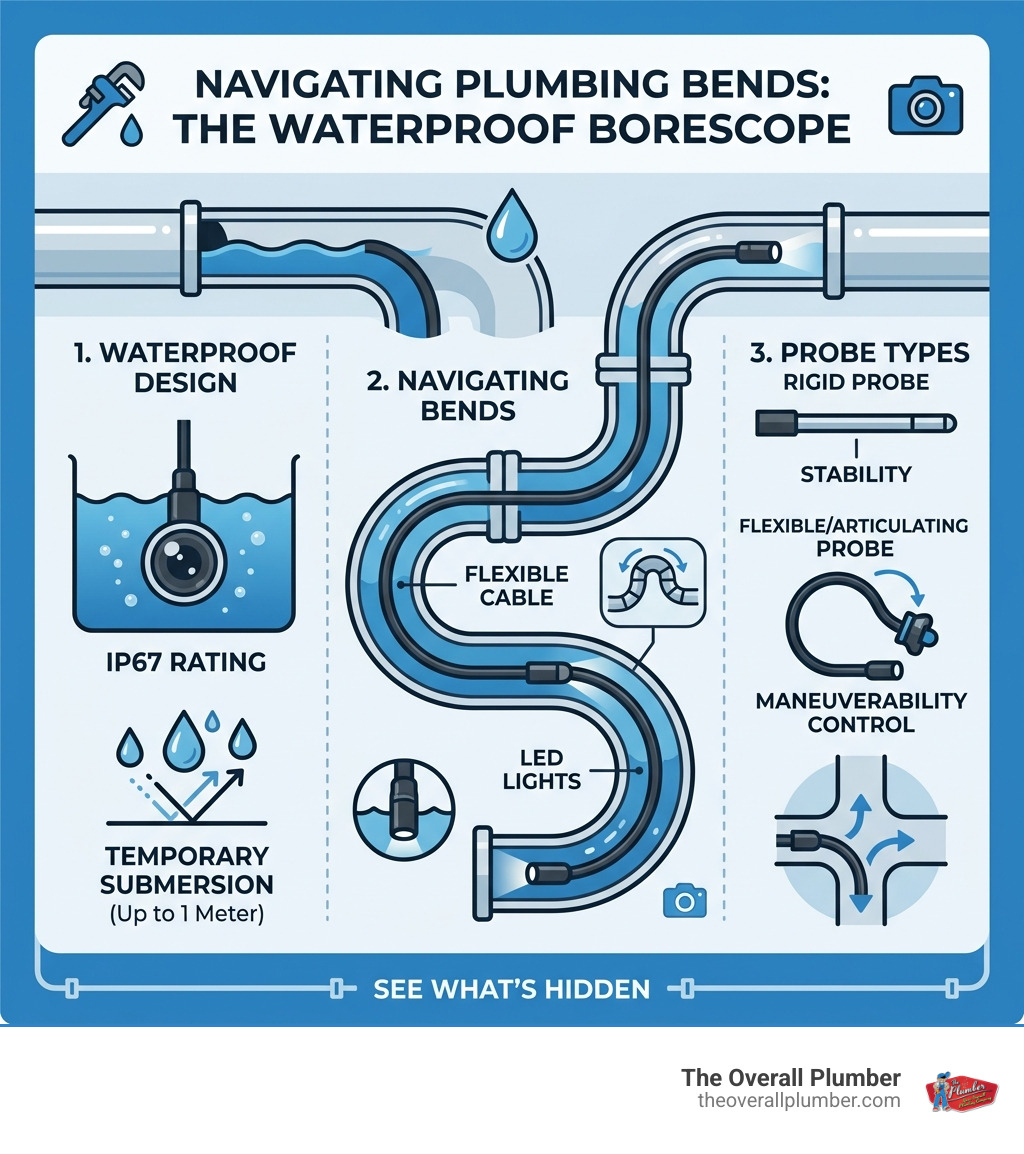
When we talk about a waterproof borescope camera, we are referring to a specialized visual inspection tool designed to enter environments where human eyes (and most electronics) simply cannot go. While a standard inspection camera might help you look behind a heavy appliance, a waterproof version is built to survive the harsh, wet, and often pressurized world of plumbing and automotive internals.
IP67 Rating and Submersion Depth
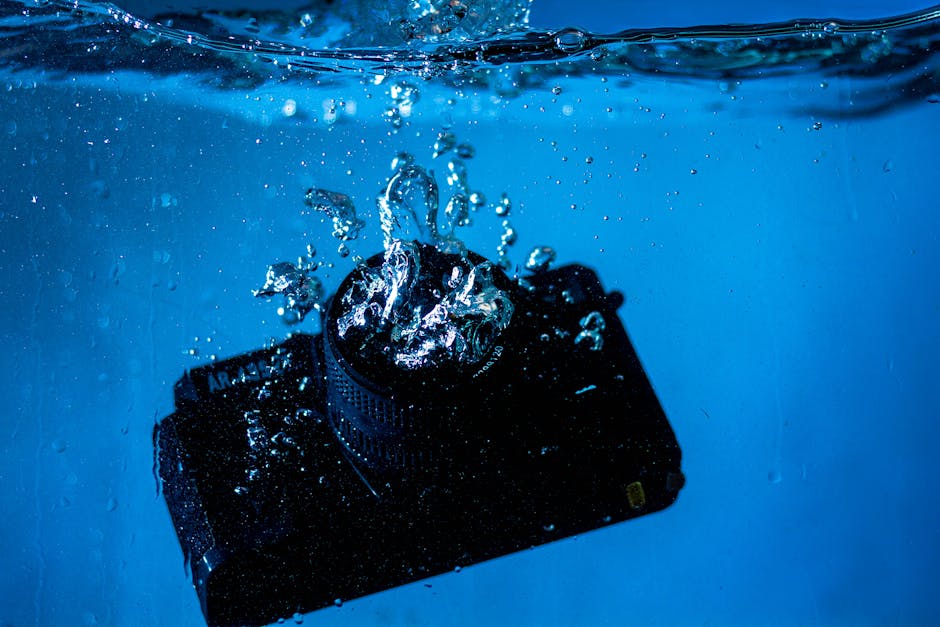
The gold standard for these tools is the IP67 rating. But what does that actually mean for your pipes in League City or Friendswood? The “6” means the device is entirely dust-tight, while the “7” indicates it can be submerged in water up to 1 meter (about 3.3 feet) deep for 30 minutes.
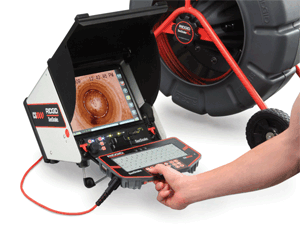
For most residential Sewer Camera Inspection tasks, this is perfect. However, some professional-grade models, like those from General Tools, offer even more robust “full system” waterproofing. While many budget borescopes only have a waterproof probe, these premium models ensure the grip and monitor are also leakproof, allowing you to work in heavy rain or splash zones without fear.
Borescope vs. Endoscope
You might hear these terms used interchangeably, but there is a slight technical difference. Traditionally, an “endoscope” is a medical tool used for looking inside the human body. A “borescope” is the industrial cousin, used for inspecting “bores” or holes in machinery and pipes. In DIY and professional plumbing, we use the industrial version to navigate the tight bends of your home’s drainage system.
Key Features to Look for in a Waterproof Borescope
Choosing the right waterproof borescope camera involves more than just picking the one with the longest cable. You need to balance resolution, diameter, and lighting to actually see what’s causing that backup in your Pearland home.
Resolution and Screen Quality
A camera is only as good as the image it produces. Look for 1080P high-definition (1920 x 1080) resolution. Many modern units, such as the Industrial Endoscope Borescope with Light, feature IPS (In-Plane Switching) screens. These are superior to standard LCDs because they offer 178-degree viewing angles and better color accuracy, which is vital when you’re trying to distinguish between a tree root and a simple grease clog.
Triple Lens Technology
One of the biggest innovations in recent years is the triple-lens system. Instead of just one camera at the tip, these units have one front-facing lens and two side-facing lenses. This allows us to see the walls of a pipe and the path ahead simultaneously without having to rotate the entire cable.
Storage and Battery Life
If you find a crack in your sewer line, you’ll want proof. Most quality borescopes come with a 32GB TF card (MicroSD) to store hours of video and thousands of photos. Battery life is equally important; a 2860mAh to 3000mAh battery typically provides 4 to 5 hours of continuous use—plenty of time to diagnose even the most stubborn plumbing mystery.
| Feature | Standard Option | Premium Option |
|---|---|---|
| Probe Diameter | 8mm | 3.9mm to 5.5mm |
| Resolution | 720P | 1080P HD |
| Screen Size | 4.3″ LCD | 5″ IPS |
| Lens Count | Single | Triple Lens |
Choosing the Right Probe for a Waterproof Borescope Camera
The “probe” is the business end of the camera. Its diameter dictates where it can go. An 8mm probe is standard for most Video Camera Sewer Line Inspection tasks, but if you’re inspecting a rifle barrel or a very narrow heat exchanger, you might need a 3.9mm or 5.5mm “tiny lens.”
The cable type also matters:
- Rigid Probes: Best for straight shots like rifle barrels.
- Semi-Rigid Cables: These are the favorite for plumbers in Harris County. They are stiff enough to be pushed through a pipe but flexible enough to hold their shape when bent around a corner.
- Articulating Probes: These allow you to remotely “steer” the camera tip up to 210 degrees using a thumbwheel, which is a lifesaver when navigating complex junctions.
Visibility and Lighting in Dark Environments
Pipes are pitch black. To get a clear image, you need high-intensity LEDs. Most Waterproof Camera Head – Inspection Cameras feature 6 to 10 adjustable LEDs. Being able to dim the lights is actually a secret pro tip—sometimes full brightness causes “white out” reflections against wet PVC, so adjustable levels are a must.
Applications in Plumbing and Beyond
While we primarily use these for plumbing in the Galveston and Houston area, a waterproof borescope camera is a multi-tool for your home.
Plumbing and Drains
This is the bread and butter of the borescope. Whether it’s a Back Flow Valve Plumbing Inspection or finding a wedding ring lost down a bathroom sink, the camera gives us eyes where we can’t reach. It’s the best way to identify:
- Tree root intrusions in sewer lines.
- Cracked or collapsed cast iron pipes.
- Build-up of “flushable” wipes (which, as we know, aren’t actually flushable!).
Automotive and HVAC
Mechanics use these to look inside engine cylinders to check for carbon buildup or scoring on piston walls without pulling the cylinder head. In HVAC, they are perfect for checking heat exchangers for cracks that could leak carbon monoxide or looking deep into ductwork for mold or debris.
Benefits of Using a Waterproof Borescope Camera for Pipe Inspections
- Non-Destructive: We don’t have to cut into your drywall in Pasadena or dig up your yard in La Porte just to see if there’s a problem.
- Real-Time Accuracy: With 2X to 8X digital zoom, we can see the smallest hairline fractures in a pipe.
- Object Retrieval: Many kits include accessories like hooks and magnets. If you dropped a bolt into an engine bay or a key down a grate, these attachments turn your camera into a fishing tool.
- Evidence for Insurance: High-quality photos and videos provide the documentation needed for insurance claims regarding water damage.
Maintenance and Longevity of Your Inspection Tool
A waterproof borescope camera is a precision instrument. If you want it to last through years of DIY projects in Texas City or Clear Lake, you have to treat it right.
Cleaning the Lens
After every use in a drain or engine, the lens will likely be covered in grease, grime, or “sludge.” Use a soft microfiber cloth and a dedicated lens cleaner or isopropyl alcohol. Never use abrasive scrubbers, as a scratched lens will make the device useless.
Battery and Storage Tips
The lithium-ion batteries in these units (often 18650 models) prefer to be stored with a partial charge. If you aren’t going to use it for a few months, don’t leave it at 0% or 100%. Aim for about 50-60%. Also, while the probes are waterproof, they aren’t always chemical-proof. Avoid leaving the probe submerged in corrosive liquids like harsh lye-based drain cleaners for extended periods, as this can eventually degrade the seals.
Frequently Asked Questions about Waterproof Borescopes
What is the difference between IP67 and full system waterproofing?
Most borescopes are “partial” systems—only the cable and the camera head can get wet. If you drop the handheld screen into a puddle or a full sink, it’s game over. A “full system” waterproof borescope, like the General Tools DCS600A, is built so the entire unit can be splashed or even briefly submerged. This is a huge advantage for plumbers working in muddy trenches or rainy conditions.
Can I connect a waterproof borescope to my smartphone via Wi-Fi?
Yes! Many modern models forgo the built-in screen to save cost and instead broadcast a Wi-Fi signal to your phone. Using an app like “UseePlus,” your phone becomes the monitor. This is great for portability, though standalone units with IPS screens usually offer a more stable connection and better visibility in direct sunlight.
How do I choose between a single, dual, or triple lens model?
- Single Lens: Best for straight-ahead viewing in simple pipes. Often requires a mirror attachment to see the sides (which can get foggy).
- Dual Lens: Adds a side-view camera. Great for looking at pipe walls or engine valves.
- Triple Lens: The ultimate choice. It provides a front view and two different side angles, giving you a nearly 360-degree perspective without moving the cable.
Conclusion
Whether you are a dedicated DIYer in Santa Fe or a homeowner in Friendswood trying to understand why your drains are slow, a waterproof borescope camera is an investment that pays for itself the first time you avoid an unnecessary repair bill. From 1080P resolution to 180-degree articulation, the technology has never been more accessible.
However, while a handheld camera is great for a quick look, some problems require professional-grade equipment and expertise. At The Overall Plumber, we use high-end industrial borescopes to provide definitive answers for our neighbors across Brazoria and Galveston Counties. We offer satisfaction guarantees, priority scheduling, and we never charge a trip fee.
If you’re facing a plumbing mystery that your DIY camera can’t quite solve, don’t guess—know for sure. Schedule a Video Camera Sewer Line Inspection with us today and let our experts get to the bottom of the issue!