


How to Install a Hot Water Expansion Tank Without Making a Mess
Why a Hot Water Expansion Tank is Necessary for Your Home
When we talk about a hot water expansion tank install, we aren’t just talking about adding another gadget to your utility room. We are talking about the “lungs” of your plumbing system. To understand why you need one, you first have to understand a basic law of physics: water expands when it gets hot.
In a typical water heater, water expands by about 2% in volume as it reaches its target temperature. In the old days, plumbing systems were “open,” meaning that as the water expanded, it could simply push back out into the city water mains. However, modern building codes in areas like Pearland, League City, and Houston now require “closed” systems to prevent contamination.
According to this Water Heater Thermal Protection Guide, a closed system is created whenever you have a backflow preventer or a pressure reducing valve (PRV) installed on your main water line. These devices act like a one-way street; water can come in, but it can’t go back out.
Without an expansion tank, that 2% increase in water volume has nowhere to go. This causes “thermal expansion,” which can skyrocket your home’s internal water pressure. A normal, healthy pressure of 60 PSI can easily double to 120 PSI or even spike past 150 PSI every time your water heater kicks on. This constant “pulsing” of high pressure causes your T&P (Temperature and Pressure) relief valve to drip, stresses your pipe joints, and can even lead to a catastrophic pipe burst. At The Overall Plumber, our Residential Plumbing Services often involve fixing the leaks caused by these exact pressure spikes.
| Feature | Open Plumbing System | Closed Plumbing System |
|---|---|---|
| Backflow Preventer | No | Yes (Required by most local codes) |
| Pressure Relief | Expanded water pushes to city main | Expanded water is trapped in home pipes |
| Thermal Expansion Risk | Low | High (Requires Expansion Tank) |
| Pressure Spikes | Rare | Frequent (up to 150+ PSI) |
| Fixture Longevity | Standard | Reduced without protection |
Preventing Damage in a Closed Plumbing System
In a closed system, the expansion tank acts as a safety reservoir. Inside the tank is a flexible rubber diaphragm (or bladder) that separates a pocket of air from the water. As the water in your heater expands, it pushes against this diaphragm, compressing the air pocket. This absorbs the “shock” to the system.
If you don’t have one, you might notice your faucets dripping only at night or hear “water hammer” (banging pipes) when you turn off a shower. These are cries for help from your pipes! Beyond just stopping drips, a proper tank install protects your dishwasher, washing machine, and faucets from premature failure. If you want to dive deeper into how we protect these systems, check out more info about water heater services we offer across Galveston and Harris County.
Sizing and Preparing for Your Hot Water Expansion Tank Install
You wouldn’t put a motorcycle tire on a heavy-duty truck, and you shouldn’t put an undersized expansion tank on a large water heater. Proper sizing is the difference between a system that works and one that fails in six months.
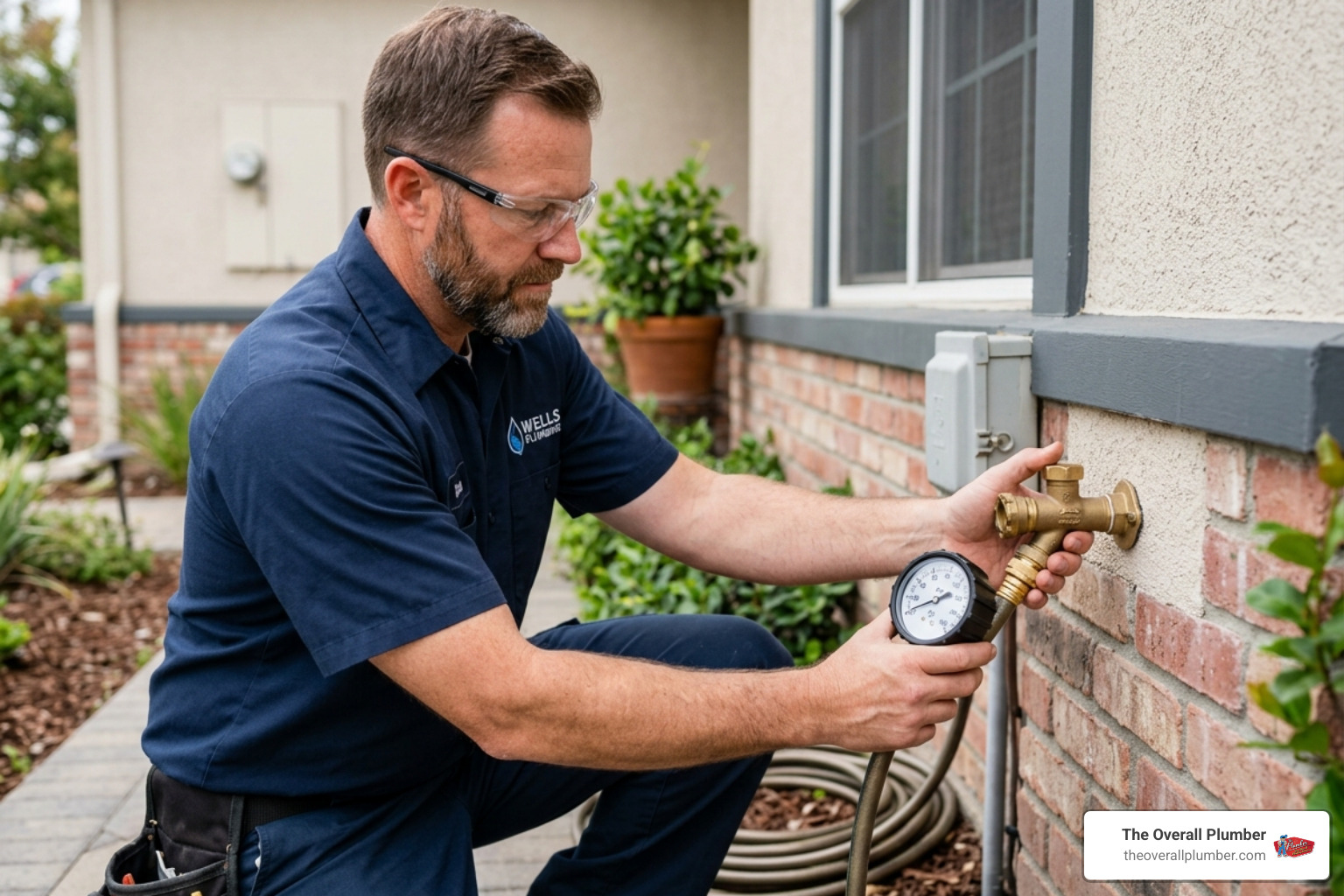
Before you even buy a tank, you need to know your home’s static water pressure. You can do this by attaching a simple pressure gauge to an outdoor hose bib or your laundry faucet. Most homes in our Texas service area should sit between 50 and 60 PSI. If your pressure is over 80 PSI, you actually need a pressure reducing valve installed first, as high pressure is a leading cause of expansion tank failure.
Once you have your pressure reading, you need to pre-charge the tank. Every expansion tank has a Schrader valve (it looks just like the air valve on a car tire). According to the Water Heater Expansion Tank Manual, you must set the air pressure in the tank to match your home’s static water pressure before you connect it to the plumbing. If your home is 60 PSI, your tank should be 60 PSI. Use a standard bicycle pump to add air—avoid high-pressure air compressors, as they can easily rupture the internal rubber diaphragm. This is a critical step we always perform during a Hot Water Heater Replacement.
Determining the Correct Tank Size
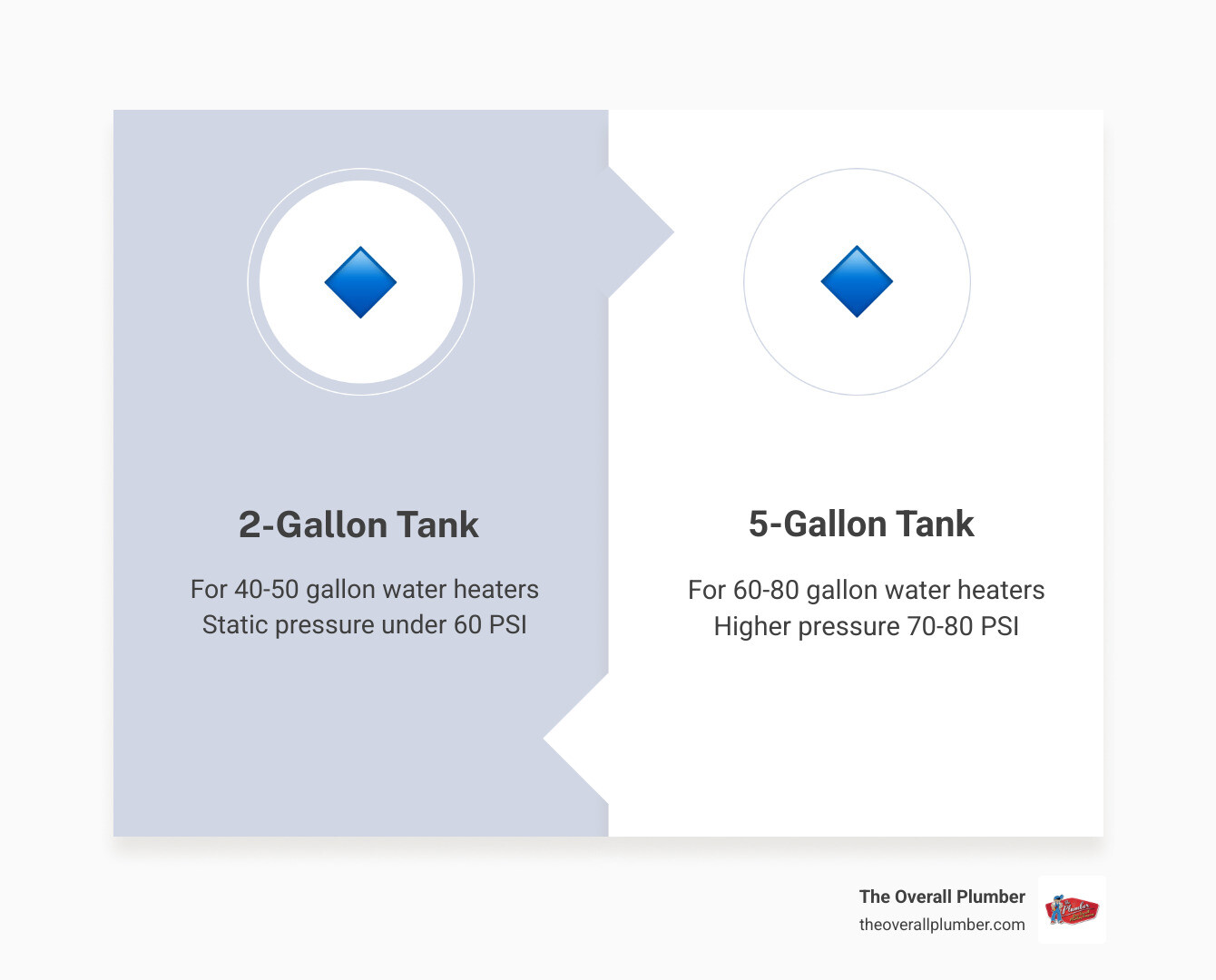
Size matters here. Most residential homes use either a 2-gallon or a 4.5-gallon tank.
- 2-Gallon Tank: Generally sufficient for standard 40-gallon to 50-gallon water heaters if your water pressure is under 60 PSI.
- 4.5-Gallon to 5-Gallon Tank: Necessary for 60-gallon to 80-gallon heaters, or for 50-gallon heaters if your supply pressure is on the higher side (70-80 PSI).
When in doubt, go larger. An oversized tank won’t hurt anything, but an undersized one will be “waterlogged” (completely full of water) almost instantly, rendering it useless.
Setting the Pre-charge Pressure
The golden rule is: Match the static pressure. If the tank’s air pressure is too low, the water will fill the tank even when it’s cold, leaving no room for expansion. If it’s too high, the water won’t be able to push into the tank at all. Remember to check the pressure while the tank is “dry” (before installation). If you ever need to check the pressure later, you must shut off the water and drain the pressure from the system first to get an accurate reading.
Step-by-Step Guide to a Successful Installation
Now for the “how-to” part of the hot water expansion tank install. While the process is straightforward, precision is key to avoiding a watery mess in your garage or utility closet.
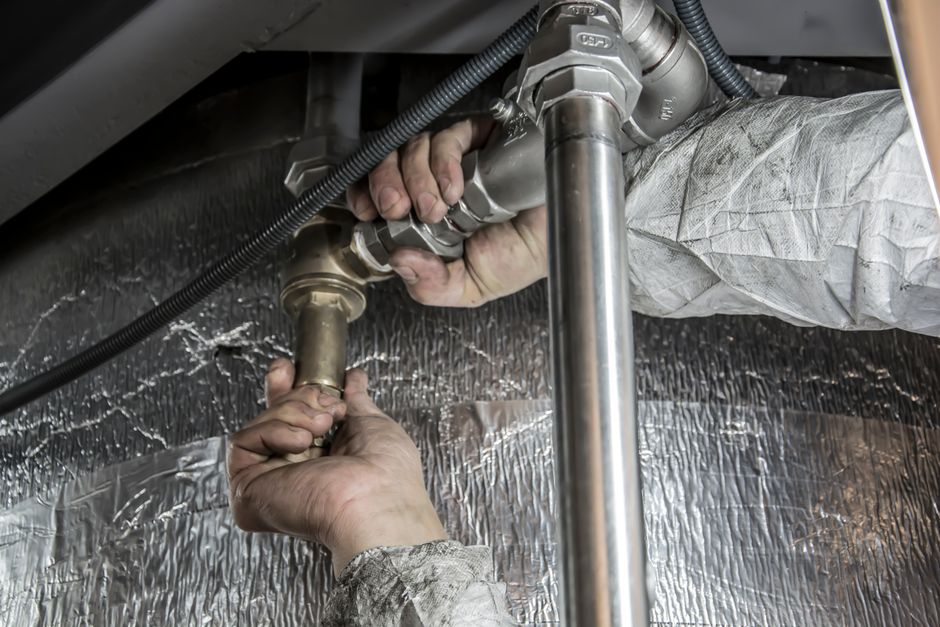
The most common location for the tank is on the cold water supply line, between the shut-off valve and the water heater itself. Most plumbing codes and manufacturers recommend installing it within 18 inches of the water heater inlet. This ensures the tank can respond quickly to the pressure changes occurring inside the heater.
If you’re looking for professional help in the Richmond area, our Richmond Texas Water Heater Service Installation team handles these daily. But if you’re taking the DIY route, here’s what you’ll need.
Essential Tools for a Hot Water Expansion Tank Install
- Pipe Wrench or Large Adjustable Wrench: For tightening the tank and fittings.
- Tubing Cutter: To cut into your existing copper or PEX lines.
- Teflon Tape or Pipe Dope: Essential for sealing threaded connections.
- 3/4″ Copper Tee Fitting: This is the “hub” where your tank will connect.
- Dielectric Union: If you are connecting different types of metal (like a steel tank to copper pipe), this prevents corrosion.
- Support Straps or Brackets: Especially important if you aren’t mounting the tank vertically.
- Push-fit Connectors (optional): If you aren’t comfortable soldering, brands like SharkBite make this much easier for DIYers.
Executing the Hot Water Expansion Tank Install Process
- Safety First: Turn off the power (breaker) or gas (control valve) to your water heater. Then, close the cold water shut-off valve leading into the heater.
- Drain the Pressure: Open a hot water faucet somewhere in the house to let the pressure out. You’ll need to drain a few gallons of water from the heater’s drain valve so you don’t get soaked when you cut the pipe.
- Cut the Line: Use your tubing cutter to remove a section of the cold water pipe above the heater.
- Install the Tee: Solder or “push-fit” your tee fitting into place. The “branch” of the tee should point toward where the expansion tank will sit.
- Mount the Tank: Most pros prefer a vertical installation with the water connection at the top. This prevents air from getting trapped. If you must install it horizontally, you must use mounting straps. A full 5-gallon tank can weigh nearly 50 pounds; your copper pipes are not designed to hold that weight!
- Seal and Tighten: Apply Teflon tape to the male threads of the tank. Screw it into the tee (or a short nipple attached to the tee) by hand, then snug it up with a wrench. Do not overtighten, or you could crack the fitting.
- The Big Reveal: Slowly turn the water supply back on. Keep that hot water faucet open elsewhere in the house to bleed out the air. Once you have a steady stream of water, close the faucet and check your new connections for leaks.
- Power Up: Once you’re sure it’s watertight, turn the gas or electricity back on.
For more detailed visuals on this process, How to Install a Water Heater Expansion Tank provides excellent additional diagrams. If at any point you feel overwhelmed, remember Our Services are just a phone call away with no trip charges.
Maintenance, Troubleshooting, and Plumbing Codes
An expansion tank isn’t a “set it and forget it” device for life. Most tanks have a lifespan of 5 to 10 years. In the humid, salty air of Galveston and Texas City, we often see them lean toward the 5-year mark due to external corrosion.
We recommend checking the air pressure in your tank at least once a year during your annual water heater flush. If you press the Schrader valve and water comes out instead of air, the internal bladder has ruptured. The tank is now “waterlogged” and needs to be replaced immediately. A failed tank offers zero protection, and you’ll likely see your T&P valve starting to drip again.
If you wake up to a puddle, our 24 Hour Emergency Plumbers are available across the Clear Lake and Pasadena areas to swap out a failed unit before it causes water damage.
Troubleshooting a Leaking or Failed Tank
- The Tapping Test: Tap the top and bottom of the tank with a knuckle. The top (water side) should sound dull and “thuddy,” while the bottom (air side) should sound hollow and “pingy.” If the whole thing sounds like a solid thud, it’s full of water.
- Condensation vs. Leak: In our Texas humidity, a cold water pipe can “sweat.” Wipe the tank dry and check back in an hour. If the moisture is only around the fittings, you likely have a slow leak that needs tightening or re-taping.
- Replacement Indicators: If you see rust around the welded seam of the tank or the threaded connection, don’t wait for it to burst. Replace it now.
Local plumbing codes (based on UPC and IPC standards) generally require an expansion tank on any new water heater installation where a “closed loop” exists. Even if your home didn’t have one originally, you will likely be required to add one if you are doing a Tankless Water Heaters On Sale upgrade or a standard tank replacement.
Frequently Asked Questions about Expansion Tanks
Can an expansion tank be installed horizontally?
Yes, but with a major “but.” While many manufacturers allow horizontal installation, the weight is the issue. An empty 5-gallon tank is light, but a failed, waterlogged tank can weigh 50 pounds. Without heavy-duty mounting straps secured to wall studs, that weight will snap your copper pipes, leading to a flooded garage. We always recommend vertical installation (fitting at the top) whenever space allows.
How far from the water heater should the tank be located?
Ideally, it should be within 18 inches of the cold water inlet. However, plumbing is rarely ideal. Codes generally allow it to be up to 6 feet away, provided there are no valves or “check points” between the tank and the heater. If you have a “heat trap” loop on your heater, make sure the tank is installed on the “house side” of that loop for the best results.
What happens if I don’t install an expansion tank?
If you have a closed system and skip the hot water expansion tank install, you are playing a game of “Pressure Roulette.” You will likely experience:
- Shortened Water Heater Life: The constant expansion and contraction of the inner tank will eventually crack the glass lining, leading to tank failure.
- Voided Warranties: Many manufacturers will not honor a warranty claim if the heater was installed without a required expansion tank.
- Appliance Damage: High pressure spikes can ruin the solenoid valves in your expensive front-load washing machine or dishwasher.
- Burst Pipes: In extreme cases, the weakest joint in your home will eventually give way.
Conclusion
Installing a hot water expansion tank is one of those small plumbing tasks that pays massive dividends in the long run. It’s the difference between a water heater that lasts 12 years and one that starts leaking at year seven. By managing thermal expansion, you’re protecting every pipe, faucet, and appliance in your home.
At The Overall Plumber, we pride ourselves on helping our neighbors in Santa Fe, League City, Friendswood, and throughout the Houston area keep their plumbing systems running smoothly. Whether you need a quick pressure check or a full hot water expansion tank install, we offer priority scheduling, satisfaction guarantees, and never charge overtime fees.
Don’t let a $50 part turn into a $5,000 floor repair. Schedule your hot water heater replacement today or give us a call to ensure your home is protected from the hidden dangers of thermal expansion. We’re here to make sure your plumbing stays “mess-free” and your hot water stays right where it belongs—in the pipes!